
Selling, buying, or moving can be stressful situations that many people have never experienced. Small mistakes can cost time, money, and peace of mind, but knowing what to avoid can make all the difference. By being aware of these common pitfalls, home sellers can navigate the process more effectively, ensuring a smoother transaction and potentially higher returns.
Overpricing the Property
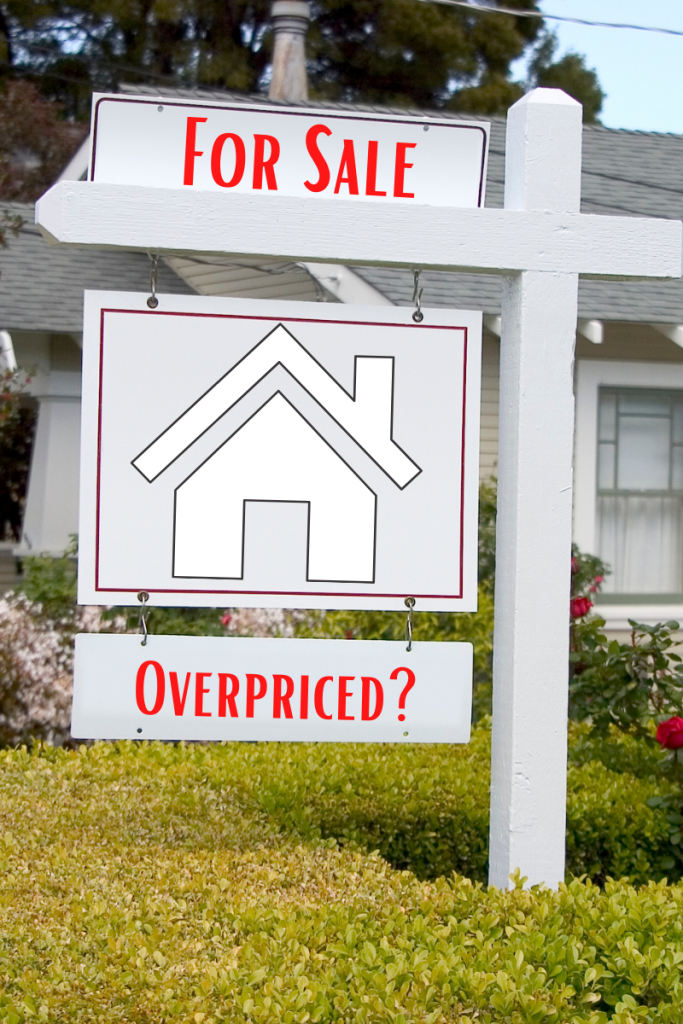
Pricing a home too high can scare off potential buyers and extend the time it stays on the market. Even when demand is strong, overpricing often results in fewer visits and may force the seller to lower the price later.
Neglecting Necessary Repairs

Neglecting important repairs can alarm buyers and reduce your home’s value. Major problems like mold or structural damage should be fixed before listing. At the same time, don’t spend excessively on upgrades that won’t significantly increase your return.
Failing to Stage the Home

A messy or unattractively arranged home can make it hard for buyers to imagine living there. Basic staging steps, like decluttering and using neutral décor, can boost appeal and help the property sell faster.
Underestimating the Importance of Curb Appeal

First impressions are key; a neglected exterior may turn buyers away before they even step inside. Enhancing landscaping and making small exterior updates can greatly improve curb appeal and draw more attention.
Choosing the Wrong Time to Sell
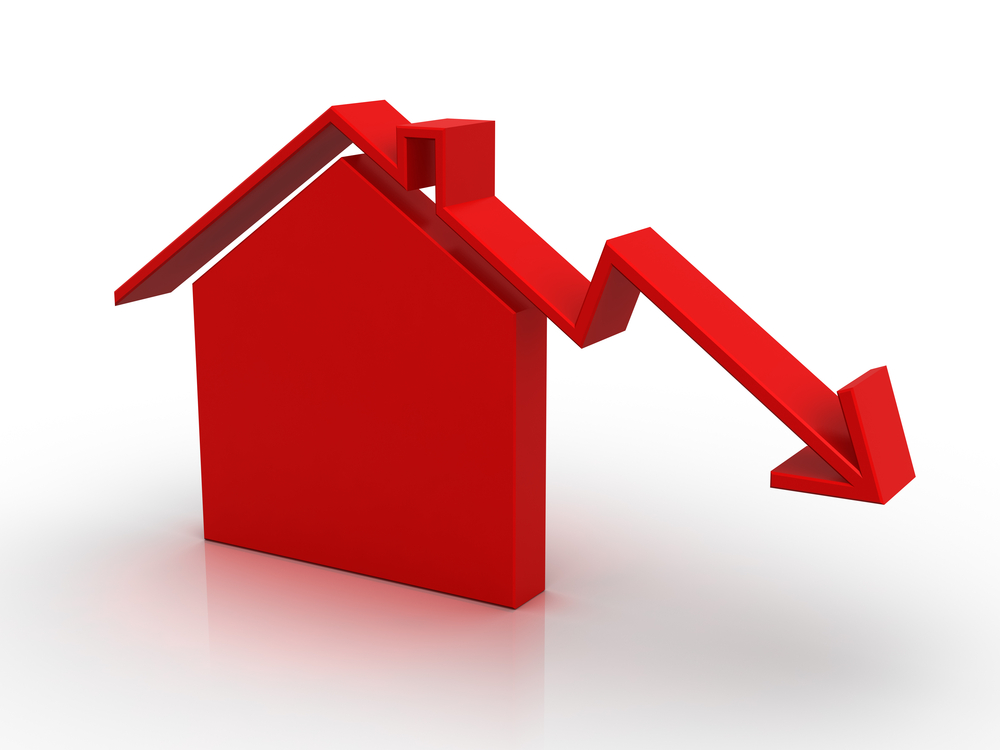
The timing of your sale can affect both the price and how quickly your home sells. Buyer activity tends to be higher in spring and summer, while winter may bring fewer showings and lower offers. Knowing local market patterns helps pinpoint the best time to list.
Not Hiring a Real Estate Agent
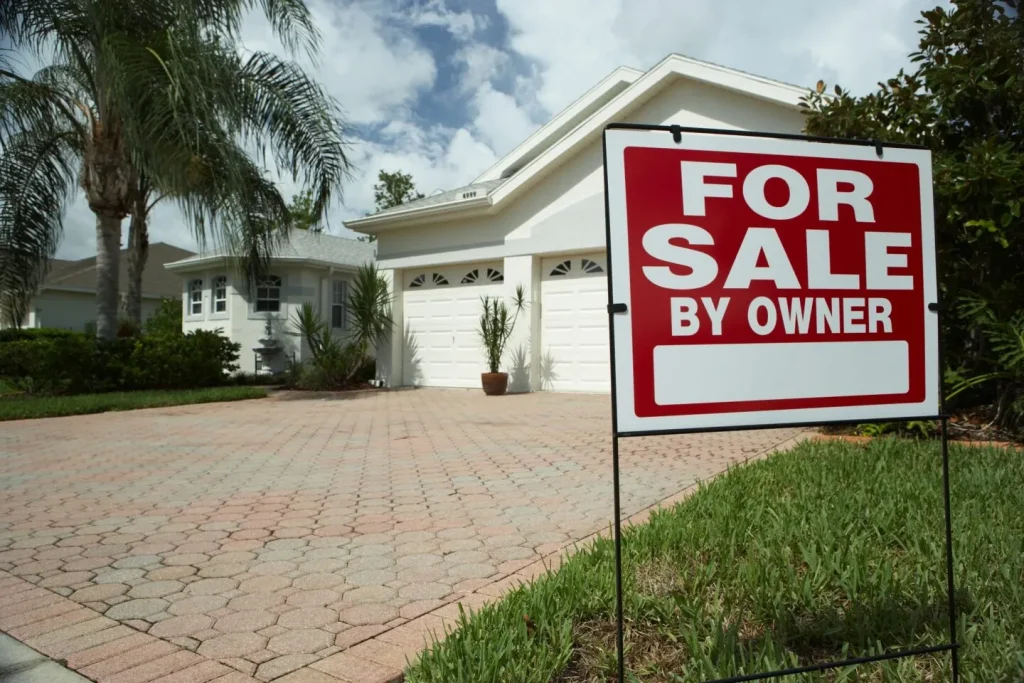
Trying to sell a home without a professional can result in pricing mistakes, legal issues, and limited marketing reach. Skilled agents offer market expertise, strong negotiation abilities, and access to a wider range of potential buyers.
Ignoring Legal Disclosure Requirements
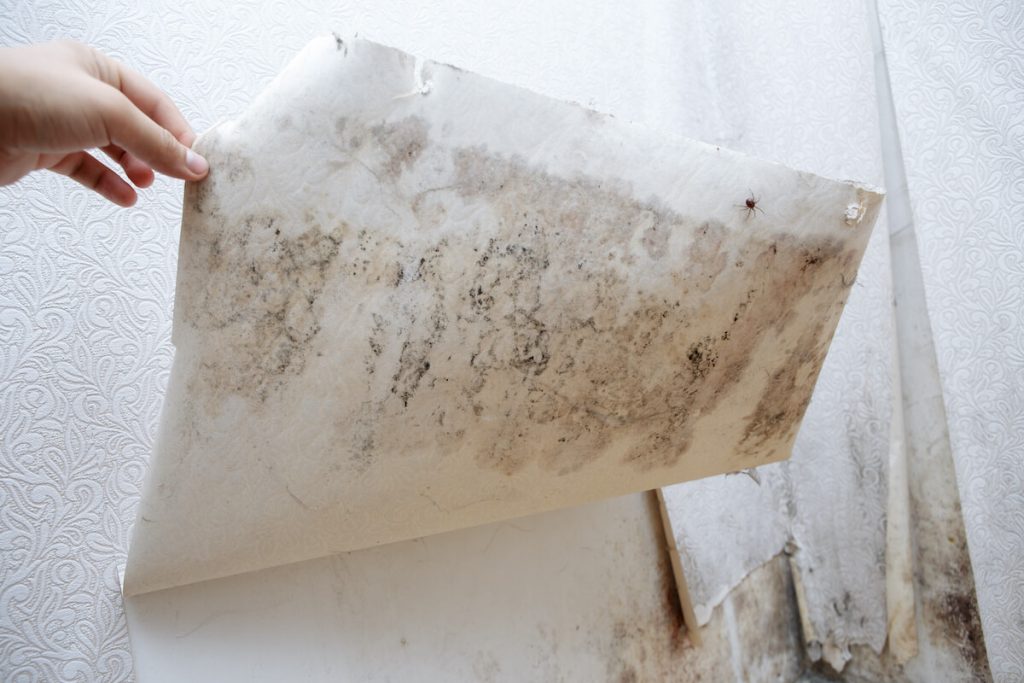
Not revealing known problems or defects can cause legal trouble and damage buyer confidence. Sellers are required by law to disclose major issues.
Being Inflexible with Showings

Limiting access to your home can reduce interest from potential buyers. Allowing flexible showing times makes it more likely to receive serious offers.
Letting Emotions Influence Decisions

Being emotionally attached to your home can affect decisions on pricing and negotiations. It’s important to stay objective, relying on market data and expert guidance instead of personal feelings.
Overlooking the Importance of Marketing
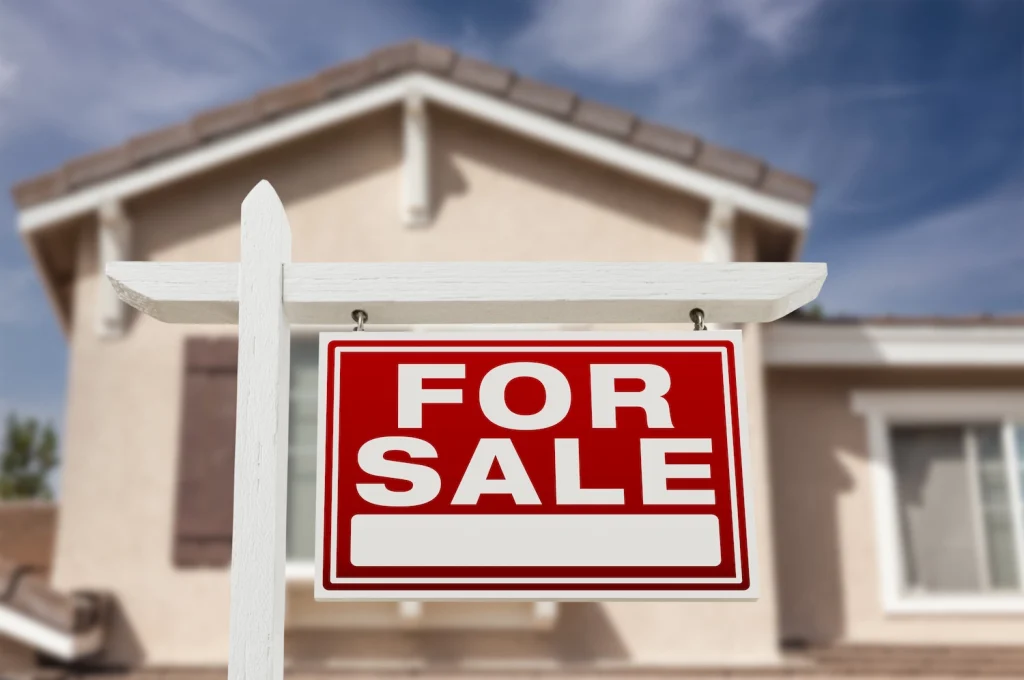
Depending only on traditional methods like yard signs isn’t enough in today’s market. Using online listings, social media, and professional photos can increase visibility and draw more potential buyers.
Not Considering Tax Implications

Selling a home may have tax implications, particularly for investment properties. Knowing about capital gains taxes and available exemptions helps sellers plan ahead and avoid unexpected costs.
Being Unprepared for Negotiations

Entering negotiations without a clear strategy can lead to unfavorable terms. It’s vital to be prepared to counter offers, understand buyer contingencies, and know when to compromise or stand firm.
Not Understanding the Local Market

Every real estate market operates differently. Ignoring local trends, like typical days on market or buyer preferences, can lead to pricing mistakes or lost opportunities.
Skipping Professional Appraisal

Although agents can provide comparative market analyses (CMAs), an independent appraisal gives an impartial valuation, particularly for unique or high-value homes. This helps avoid overpricing and ensures the property is listed competitively.
Not Preparing Financially for the Sale

Sellers should be aware of potential costs involved in the selling process, including agent commissions, repairs, and closing fees. Being financially prepared ensures there are no surprises and helps in setting realistic expectations.