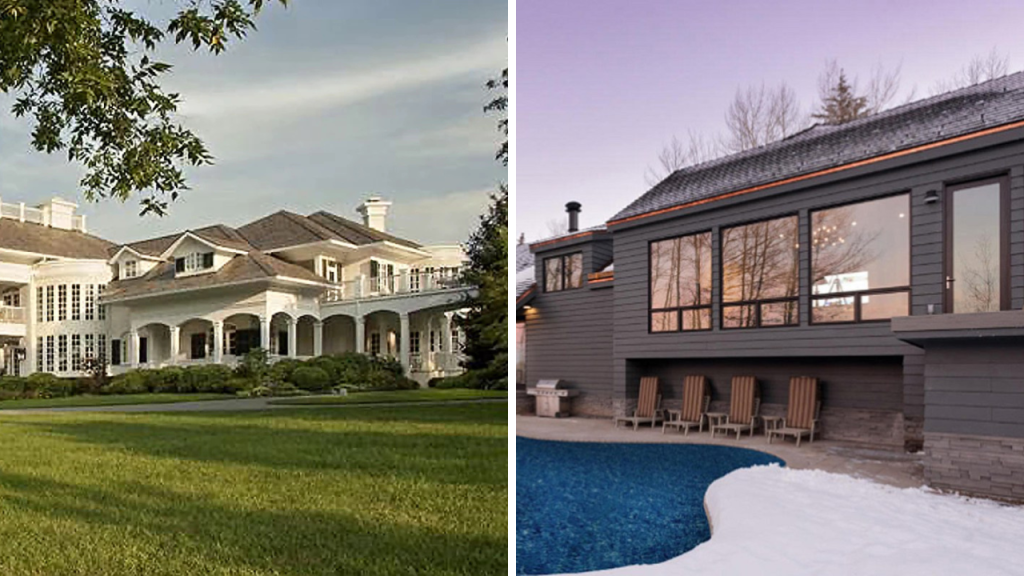
Buying a home is more than a price tag; it is a decision about how a property will live, age, and hold value. Older houses can deliver walkable locations, mature trees, and distinctive materials, but they often hide legacy systems that add risk and cost. New construction brings tighter energy performance, clean inspections, and modern layouts, though it may come with longer commutes and HOA rules. This list breaks down 30 practical topics so you can compare costs, maintenance, comfort, and resale with clear expectations.
Insulation And Windows

Many older properties need attic top‑ups and air sealing; single‑pane windows raise bills and noise. New builds meet current energy codes with tighter envelopes and low‑e glazing, but quality varies by installer. Blower‑door results and infrared scans help quantify gaps either way.
Appraisal Dynamics

Classic character and quality renovations can lift an older home’s appraisal if comps exist. New builds may price above recent resales, and appraisals sometimes lag fast appreciation. Provide documentation for upgrades, permits, and builder specs in both cases.
Water Supply And Quality

Older plumbing and wells may introduce sediment, metals, or pressure swings; treatment systems can help. New builds usually start clean but may need water‑softening based on local hardness. Review water reports and consider whole‑home filtration.
Landscaping And Trees
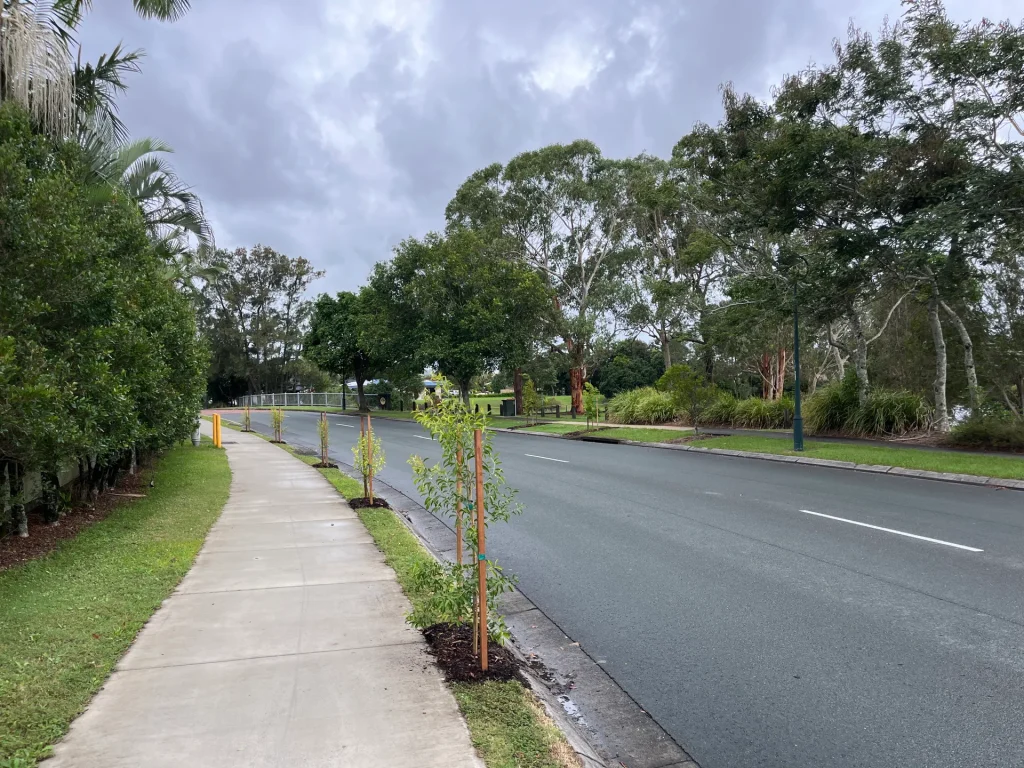
Established shade and root systems benefit older homes but can threaten foundations or sewers. New lots start sparse and need years to mature, with lower immediate risk to structures. Budget for arborists or irrigation accordingly.
Closing Timeline And Certainty

Older homes can close quickly after contingencies clear, ideal for fixed move dates. New builds offer certainty on condition but not always on completion day. Align plans with lease ends, school calendars, and moving logistics.
Permitting And Code Upgrades
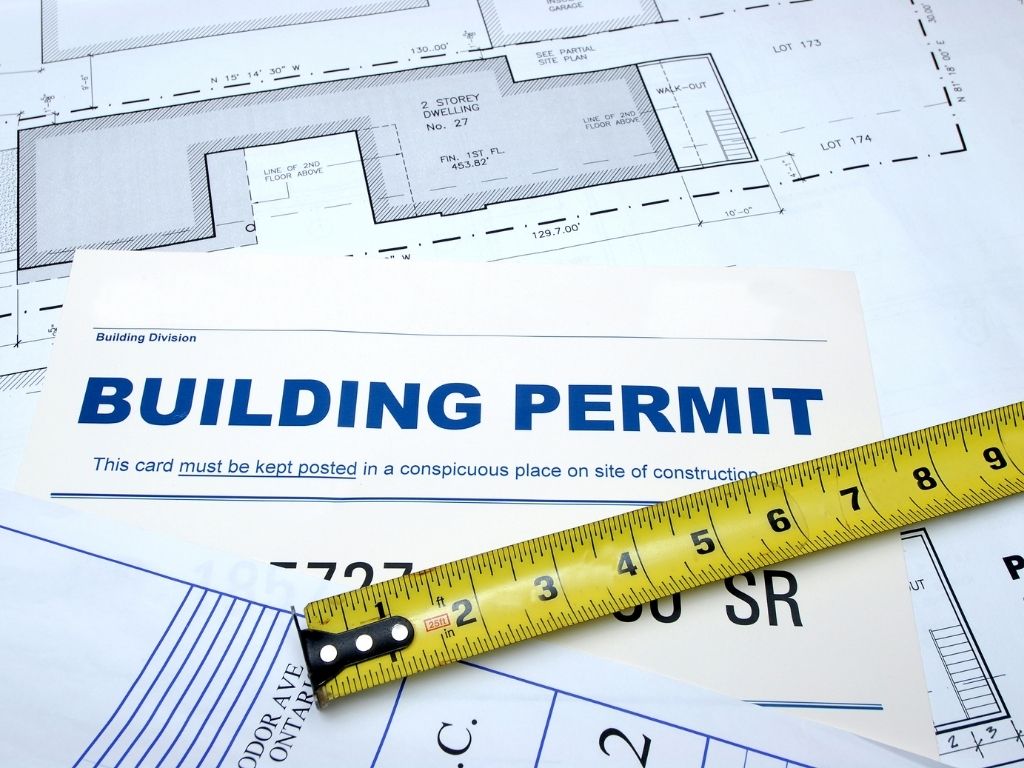
Renovating older homes can trigger electrical, egress, or energy updates; timelines depend on local backlogs. New homes start at current code but still need permits for future projects. Ask contractors how inspections and revisions affect schedules.
Electrical System

Legacy wiring in older homes may lack grounding, GFCIs, or capacity for today’s loads; panel upgrades and rewiring add cost. New builds meet current code with AFCIs, ample circuits, and low‑voltage runs, yet fast‑track construction can leave punch‑list issues. Always verify panel size, breaker labeling, and outlet testing regardless of age.
Foundation And Drainage
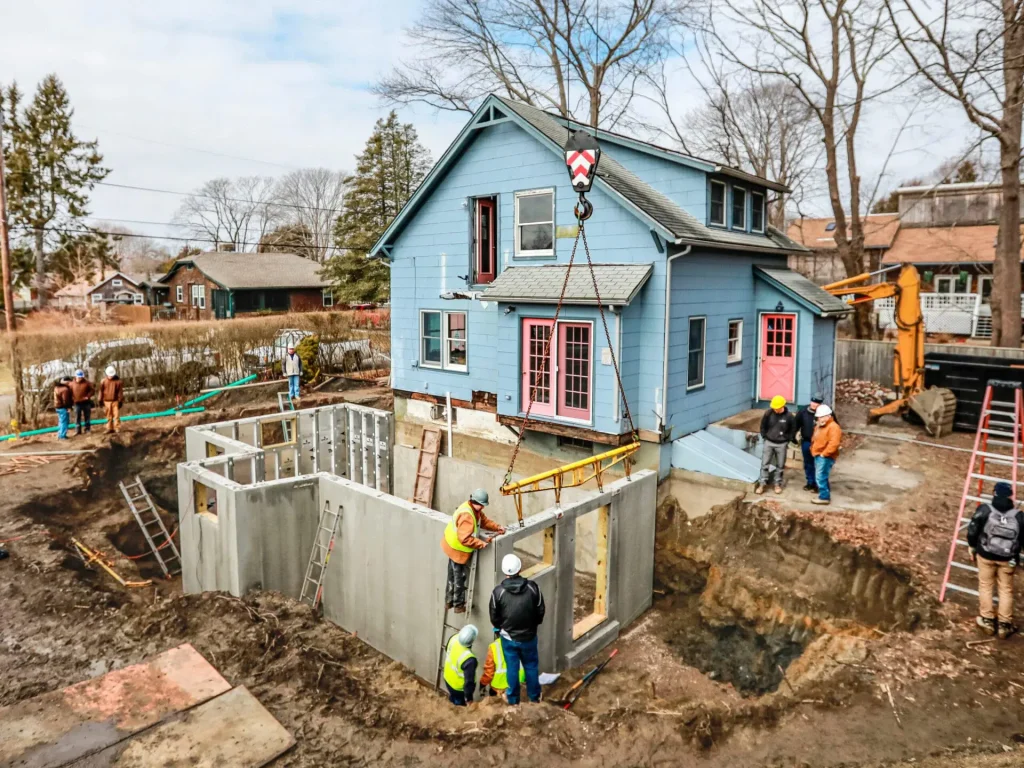
Historic foundations can perform well if drainage is controlled, but settlement cracks and moisture intrusion are common surprises. New slabs and basements often include vapor barriers and footing drains, yet grading mistakes can still push water toward the structure. Inspect gutters, downspouts, slope, and sump systems in both scenarios.
Roof Condition
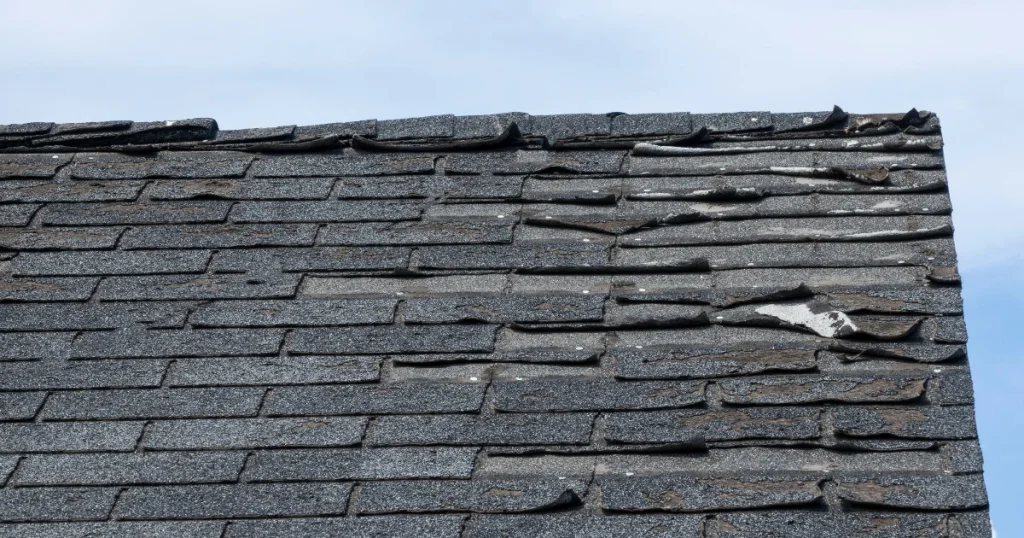
Older roofs may show layered shingles, flashing fatigue, or ventilation gaps; replacement timing affects near‑term budgets. New roofs usually provide warranty coverage and better underlayments, but builder grade varies. Compare remaining life, attic airflow, and transferable warranties before pricing offers.
Floor Plan And Flow
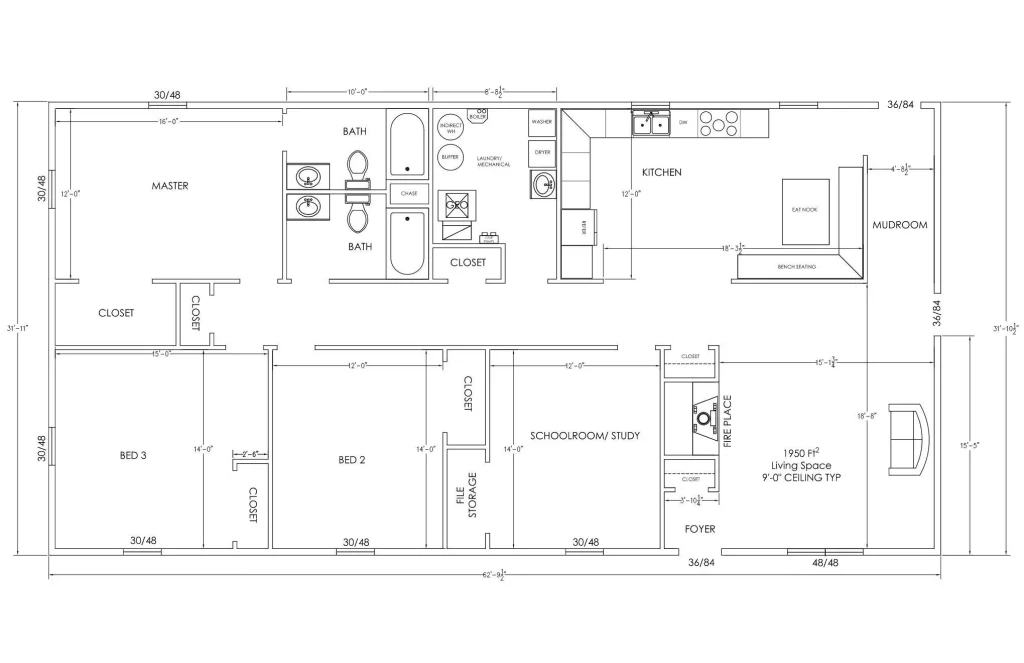
Older homes can feel segmented with small kitchens and fewer baths, requiring structural work to open up. New construction favors open layouts, large primary suites, and flex rooms, yet acoustics and privacy can suffer. Match layout to lifestyle rather than age stereotypes.
HOAs And Covenants

Older blocks may have no HOA, offering flexibility at the cost of uniform standards. Newer subdivisions often include HOAs that maintain amenities and curb appeal but add dues and rules. Read covenants for parking, rentals, pets, and exterior changes.
Property Taxes

Older homes may benefit from assessed values set years ago, though remodels can trigger reassessment. New construction typically sets a fresh baseline that can be higher at first. Compare mill rates, exemptions, and any special assessments.
Schools And Zoning
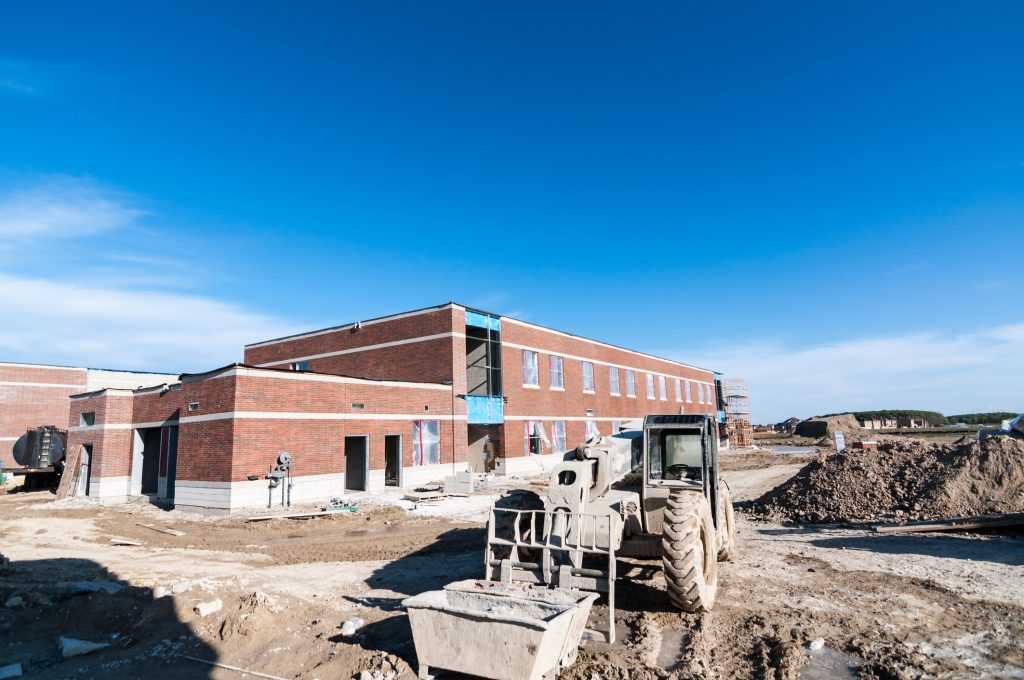
Older districts offer track records and alumni networks; boundary changes happen but are usually well documented. New growth corridors may get new schools and redistricting as populations shift. Verify attendance maps and planned rezonings either way.
Total Cost Of Ownership
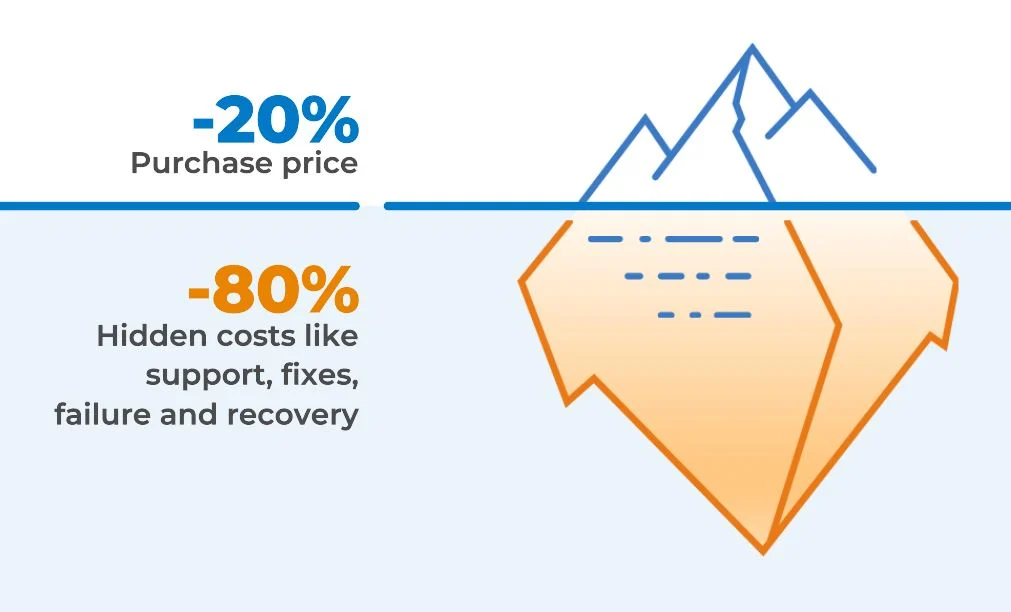
An older home’s lower price can be offset by utilities and repairs; a new home’s premium can be softened by incentives and efficiency. Model taxes, insurance, dues, energy, and maintenance. The better long‑term deal depends on address and condition.
Square Footage Vs Lot Size
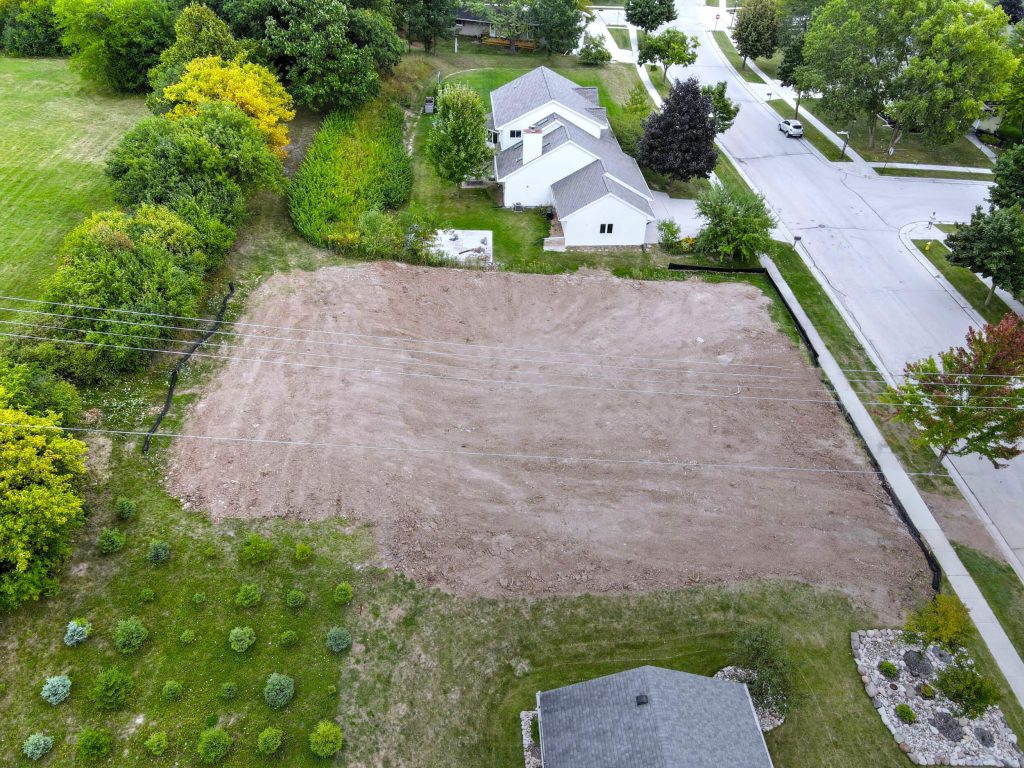
Older neighborhoods sometimes trade interior space for larger lots, mature trees, and setbacks. Newer areas may offer more interior square footage on smaller parcels. Decide whether yard use, ADU potential, or indoor program matters more.
Resale Trajectory

Charming, well‑located older homes can hold value through cycles; scarcity helps. New homes appreciate as neighborhoods fill in, but early buyers sometimes pay a premium. Track neighborhood sales rather than relying on age alone.
Insurance And Risk Profile

Insurers scrutinize older roofs, wiring, and plumbing; premiums or exclusions may apply until updates are done. New homes can earn discounts for modern systems and detectors, yet location risks (fire, flood, wind) dominate pricing. Request quotes for specific addresses before writing offers.
Commuting And Transit

Older in‑town housing can shorten drives and add transit options, but parking may be tight. New outer‑ring builds increase space yet often require car‑centric routines. Test real rush‑hour routes and transit frequency before deciding.
Renovation Strategy
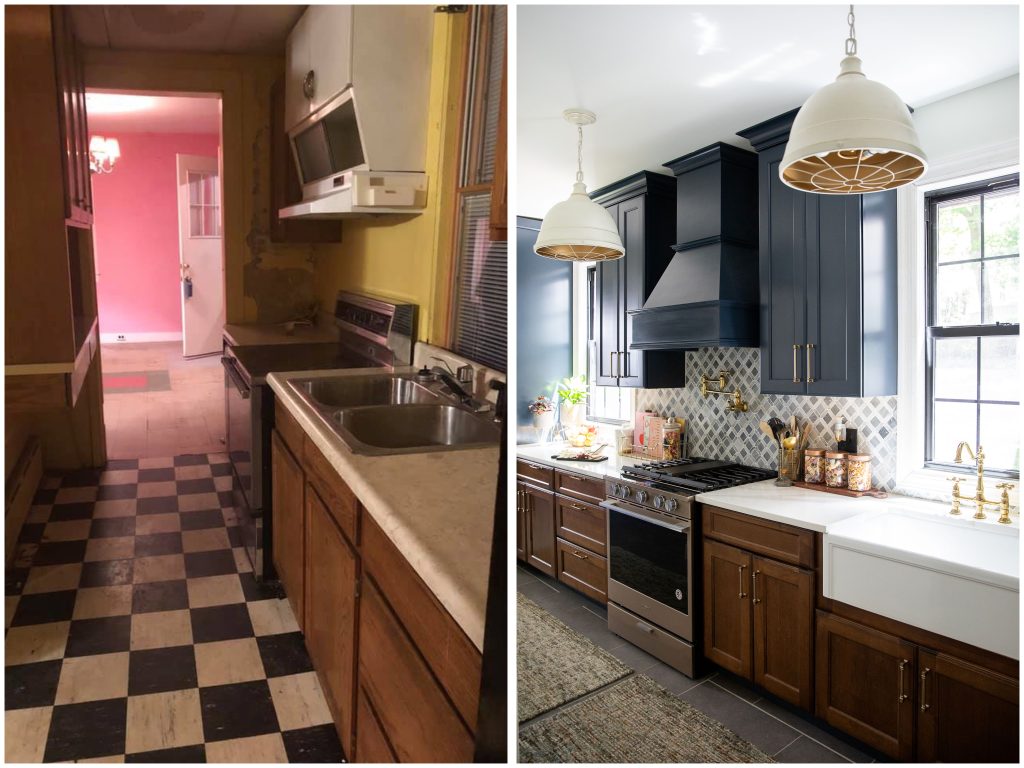
Older homes may require kitchens, baths, or system overhauls that add equity when well executed. New homes invite tasteful upgrades after move‑in without major demo. Know permit paths, contractor lead times, and DIY limits.
HVAC And Ductwork
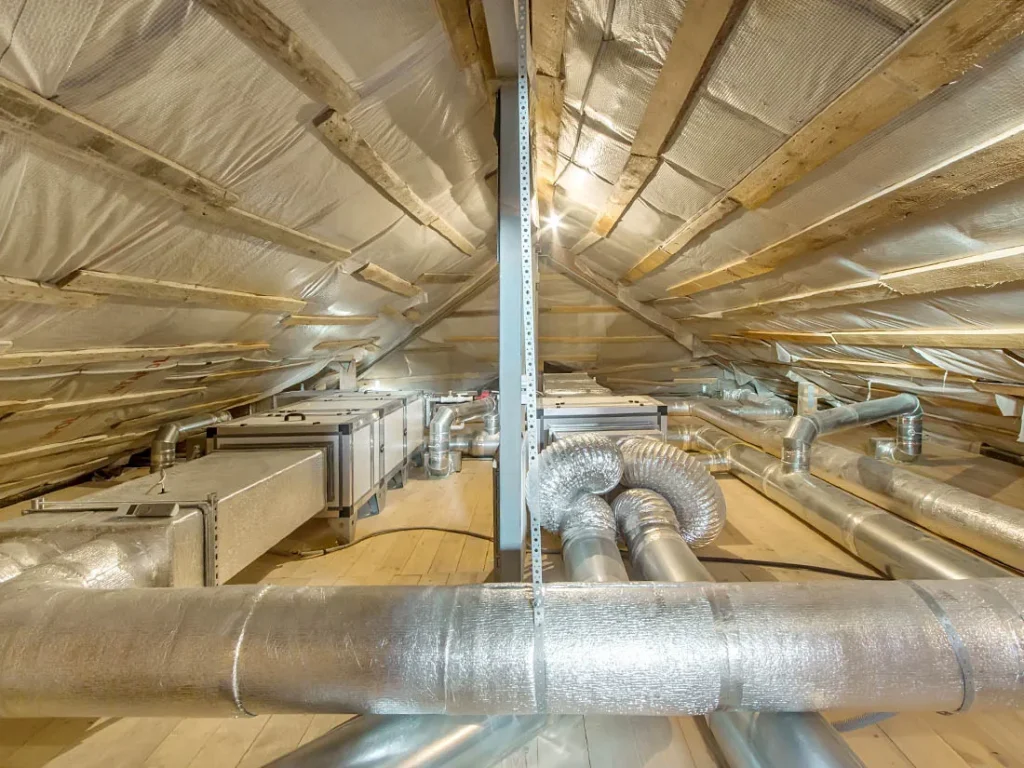
Older homes may rely on aging furnaces or patchwork ducting that wastes energy; retrofits can be intrusive. New homes typically have efficient equipment and sealed ducts, though sizing errors or restrictive filters reduce performance.
Walkability And Amenities
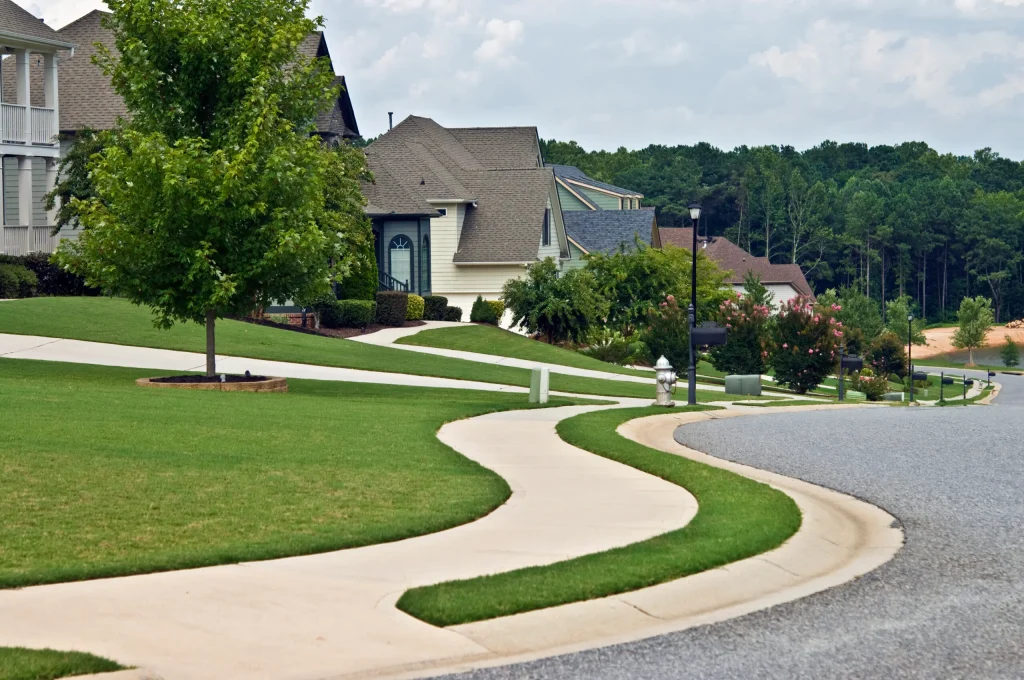
Historic grids may have sidewalks, corner stores, and legacy parks within minutes. Master‑planned new areas can add trails and clubhouses but need years for retail to fill in. Map daily errands to see which setting reduces time and cost.
Financing And Rate Locks

Resales close on typical timelines, aligning with standard rate locks. To‑be‑built homes risk construction delays that outlast a lock unless extended at a cost. Compare builder‑preferred incentives with independent lenders.
Smart‑Home And Low‑Voltage
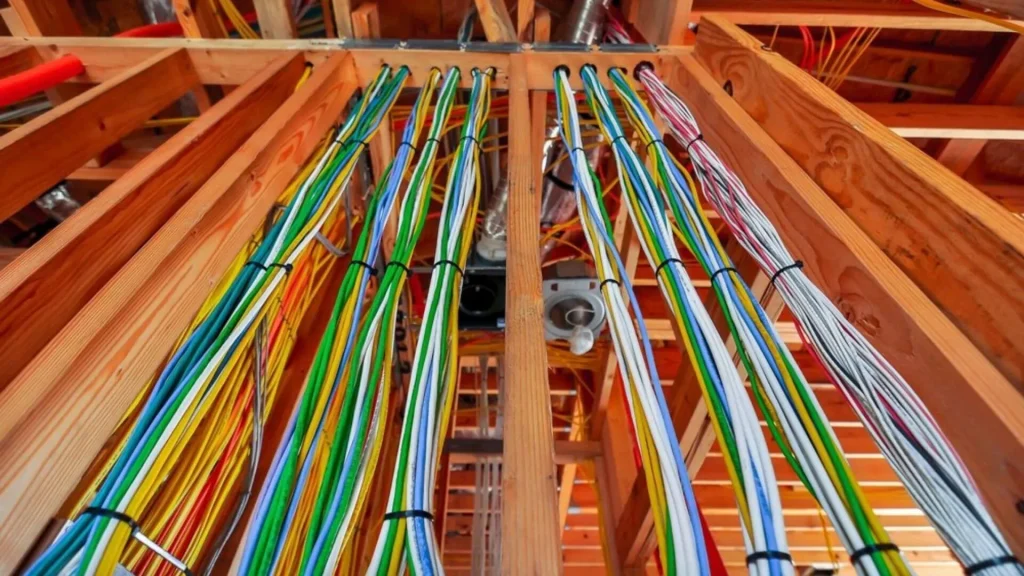
Retrofitting older houses with ethernet, PoE cameras, and EV charging can be labor‑intensive. New builds often pre‑wire with structured cabling and ample conduit, yet device quality varies. Plan for upgrades or choose packages during construction.
Curb Appeal And Materials
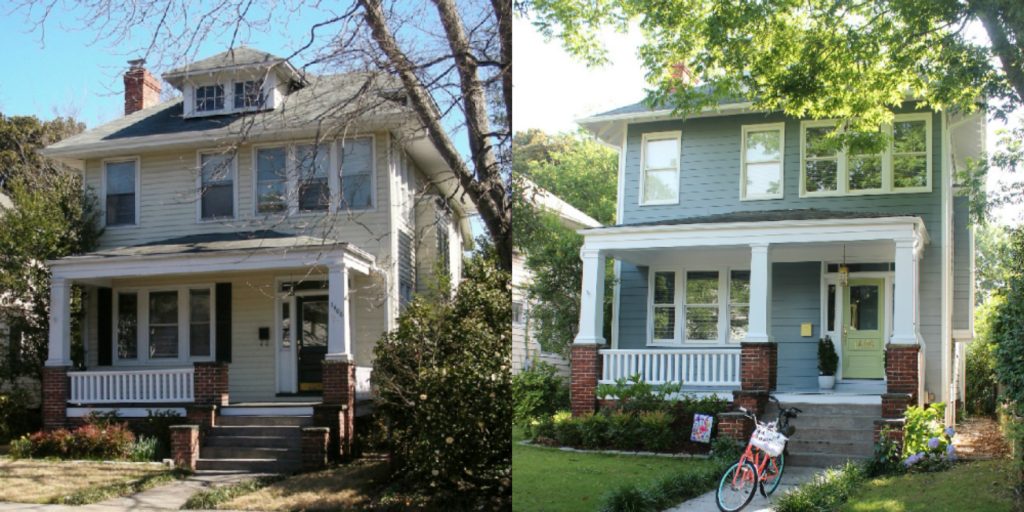
Aged brick, hardwoods, and original trim in older homes can be durable and distinctive if maintained. New builds may use engineered products that are easier to replace but feel less bespoke. Evaluate longevity, maintenance, and aesthetic goals.
Noise And Construction Nearby
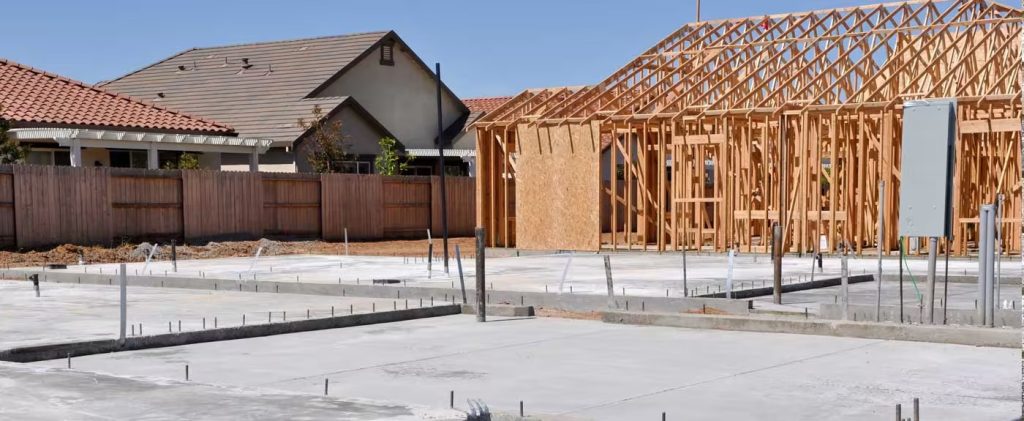
Infill renovations in older areas create intermittent noise but within built‑out streets. New developments can see years of heavy equipment and dust as phases progress. Check developer timelines and HOA notices.
Environmental Hazards

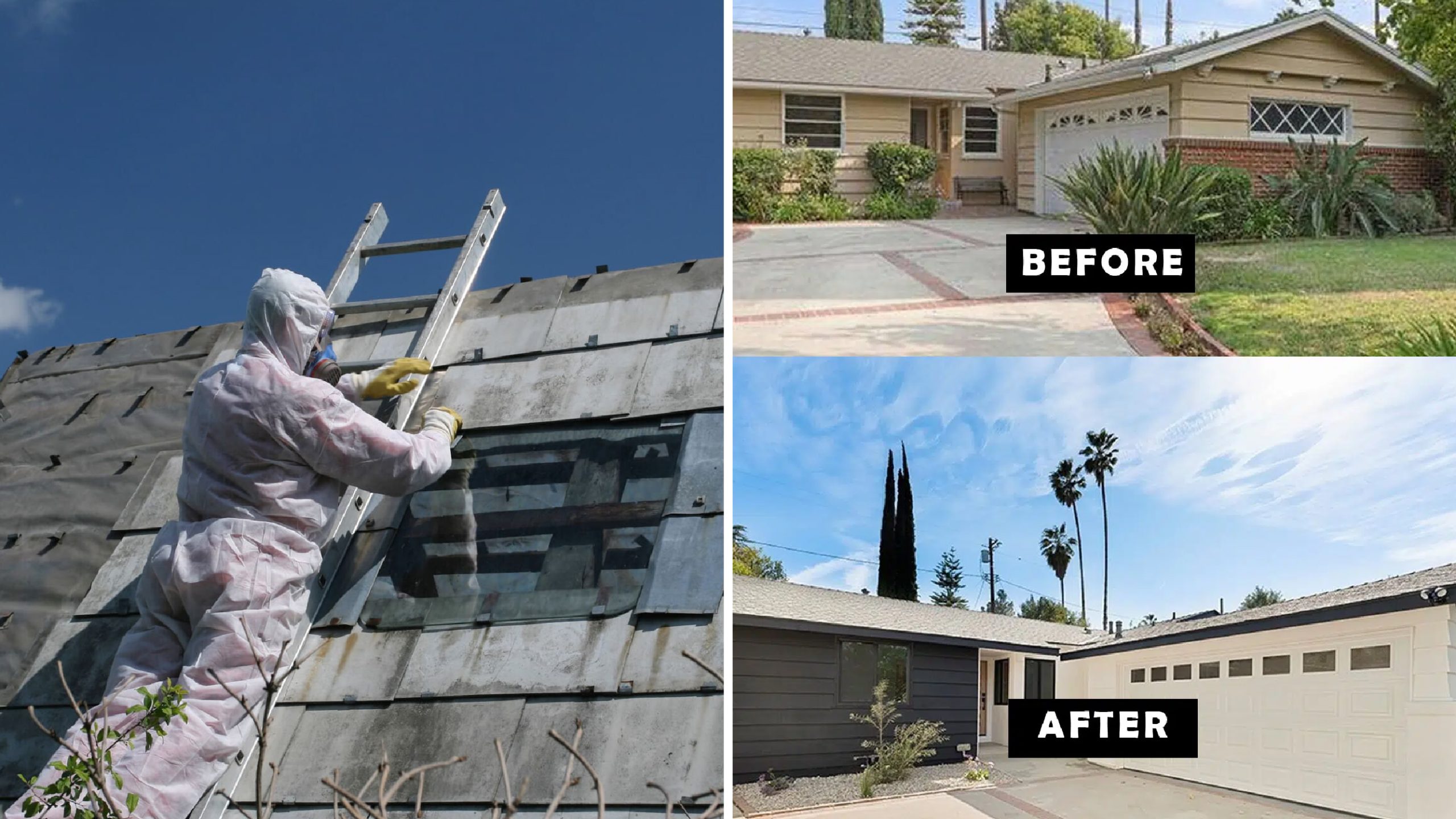
Pre‑1978 homes may contain lead paint; some eras include asbestos or old fuel tanks, requiring professional handling. New homes avoid legacy materials but can face radon, VOCs, or site‑specific soil concerns. Order tests appropriate to the region and age.
Inspections And Due Diligence
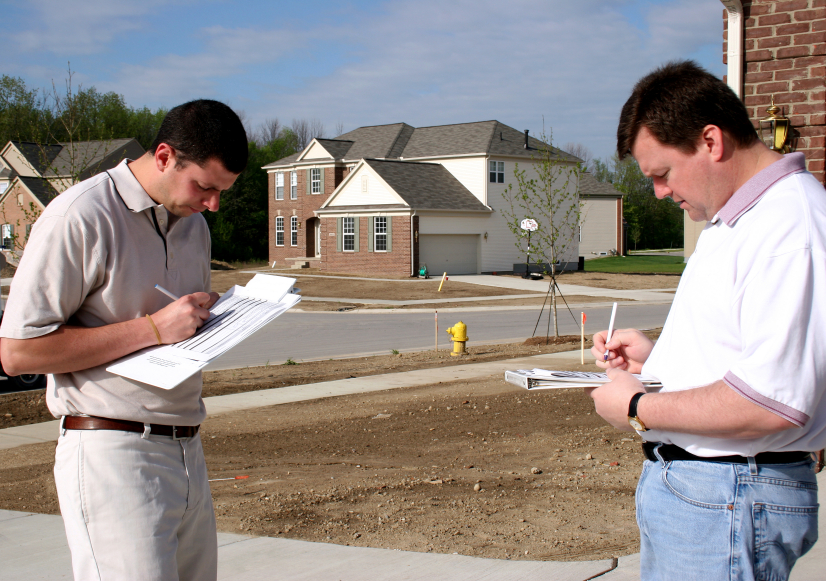
Older properties call for sewer scopes, roof evaluations, and possible lead or asbestos testing. New builds still deserve pre‑drywall checks and blue‑tape walkthroughs to catch fit‑and‑finish issues. Independent inspectors add value in both paths.
Plumbing

Older homes can have galvanized steel or cast‑iron lines near end of life, with hidden corrosion and low pressure; camera scopes help assess condition. Newer homes use PVC/PEX and modern venting, which lowers immediate risk, but poor installs or aggressive water chemistry can still cause leaks. Factor replacement costs, water hardness, and access to shutoff valves in both cases.
Neighborhood Maturity
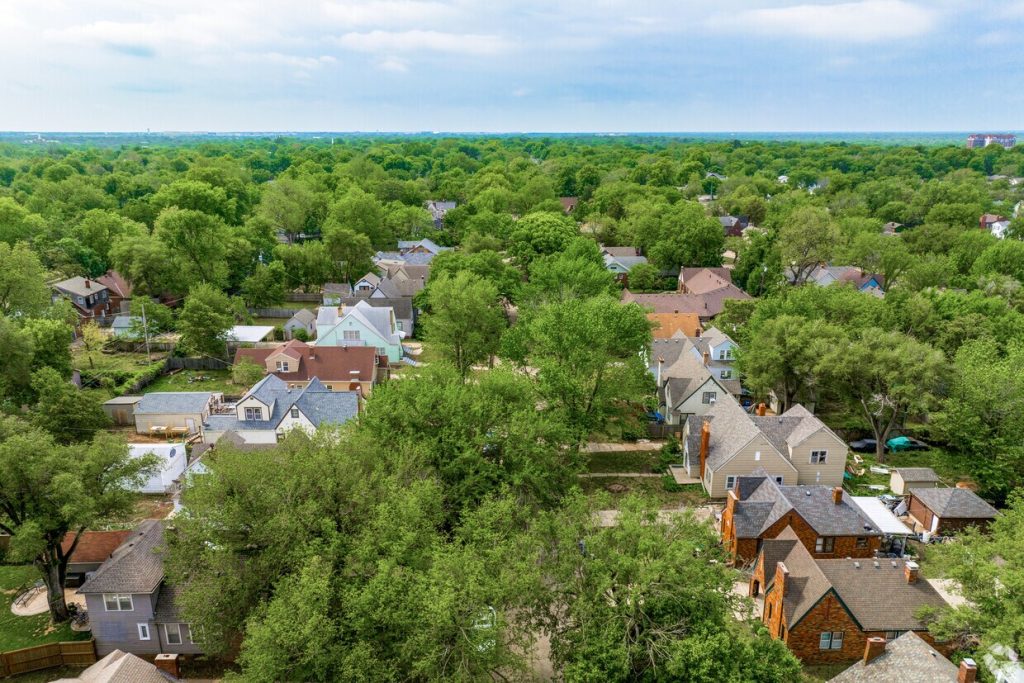
Established areas bring stable comps, built‑out amenities, and predictable traffic patterns. New subdivisions need time to add retail, parks, and schools, creating short‑term uncertainty but long‑term upside. Visit at different hours to gauge noise and activity.
Flipped Homes And Cosmetic Cover‑Ups
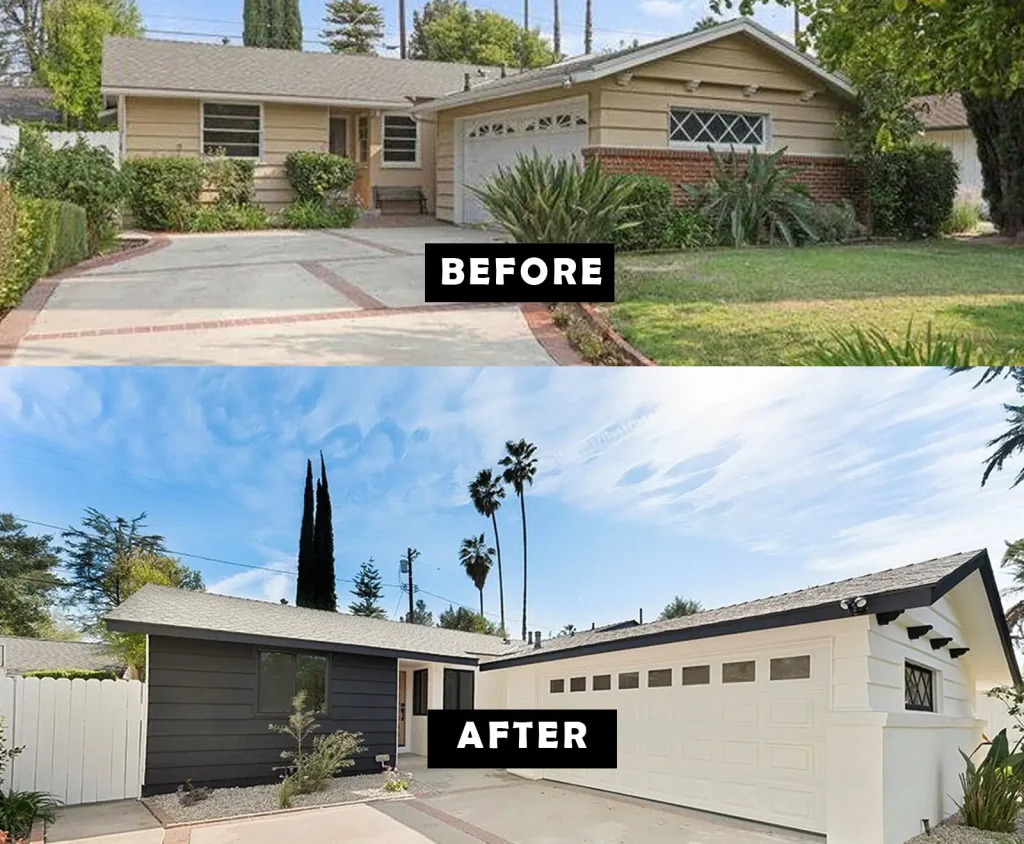
Some recently renovated resales look pristine but hide unpermitted work, inadequate waterproofing, or undersized systems. New construction avoids legacy defects yet can also mask rushed finishes. Verify permits, request receipts, and prioritize inspections to avoid buying problems with fresh paint.