From rulers who united entire nations to pioneers who championed human rights and change, and even artists, we are remembering all these figures whose remarkable actions continue to inspire us. Join us on this ride through history as we celebrate these leaders’ great deeds and remarkable influence on our world today.
Cleopatra
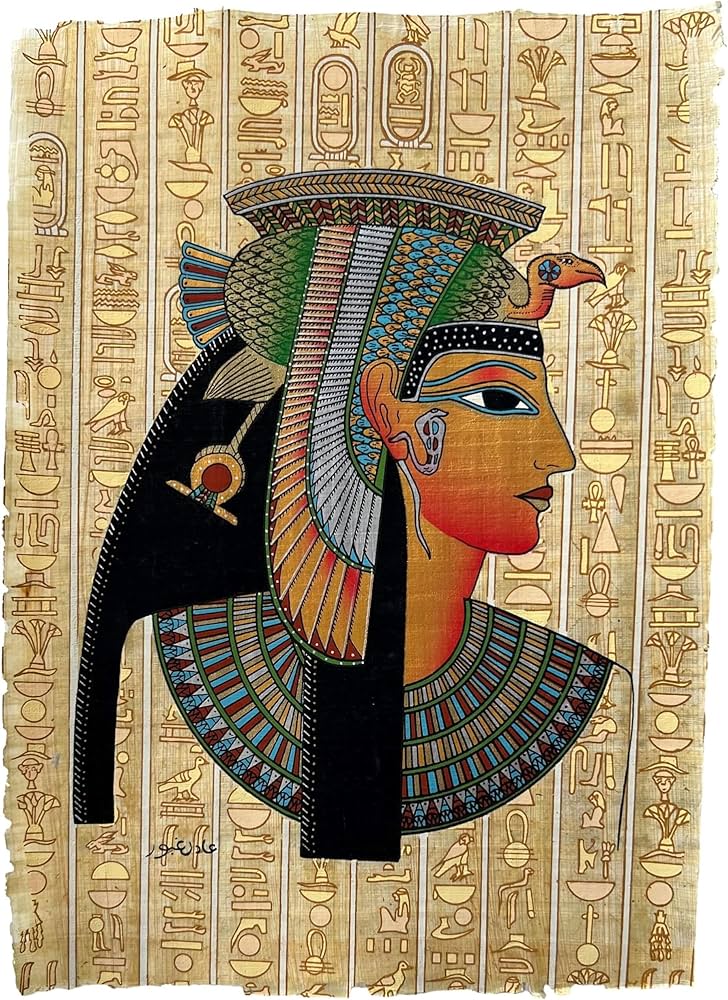
Serving as Egypt’s last queen, Cleopatra is regarded as its most successful and remembered ruler. Utilising her strategic genius, she led Egypt through prosperous times.
George Washington
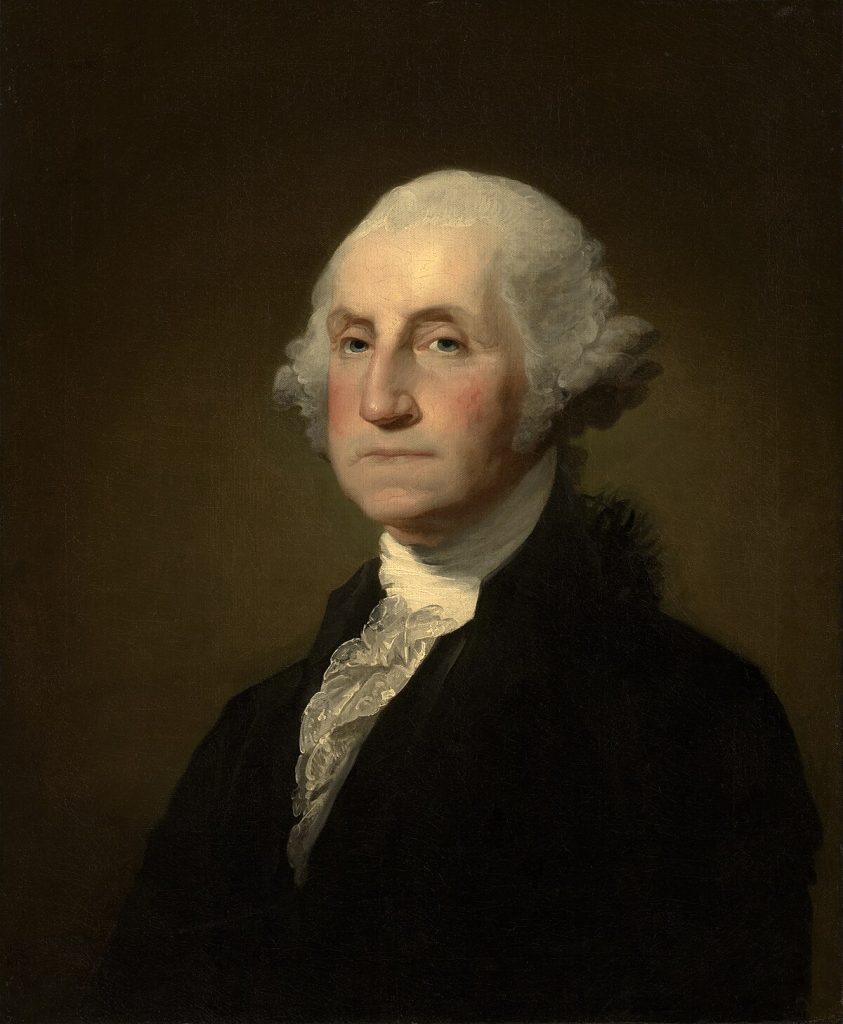
Considered the father of the United States, Washington led the Continental Army to victory and served as America’s first president. The general’s firm leadership and commitment to unity paved the way for the republic’s establishment.
Queen Victoria
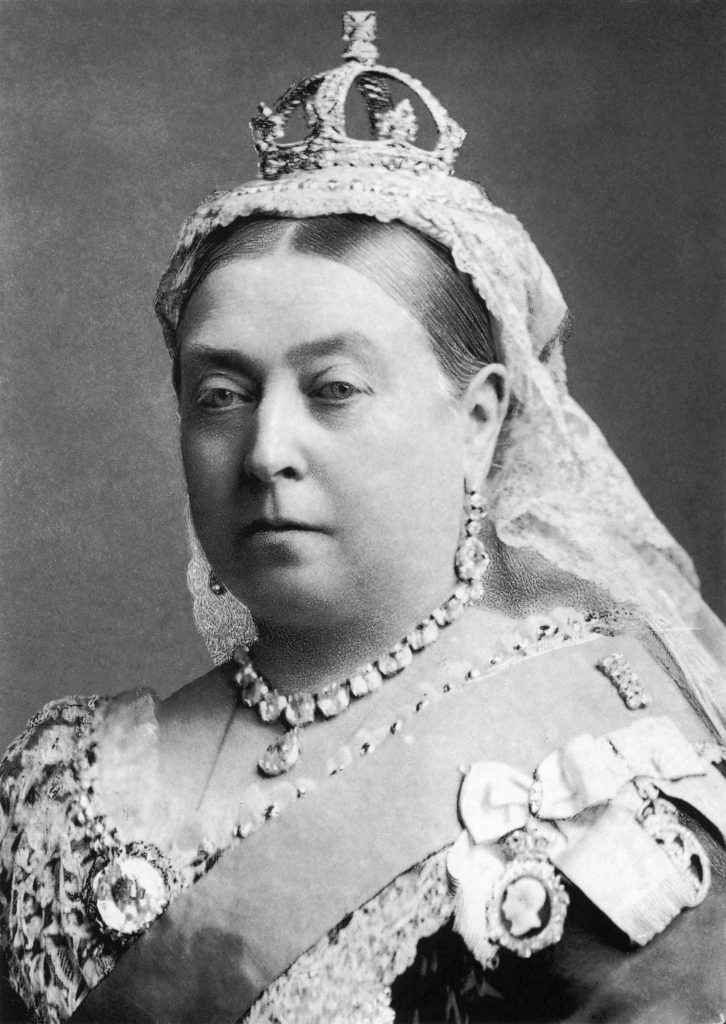
Having ascended to the English throne at 18, Victoria was, by the peak of her reign, the leader of the largest empire that had ever existed. She brilliantly used her passionate commitment and informal manner to restore the English monarchy’s popularity.
Harriet Tubman
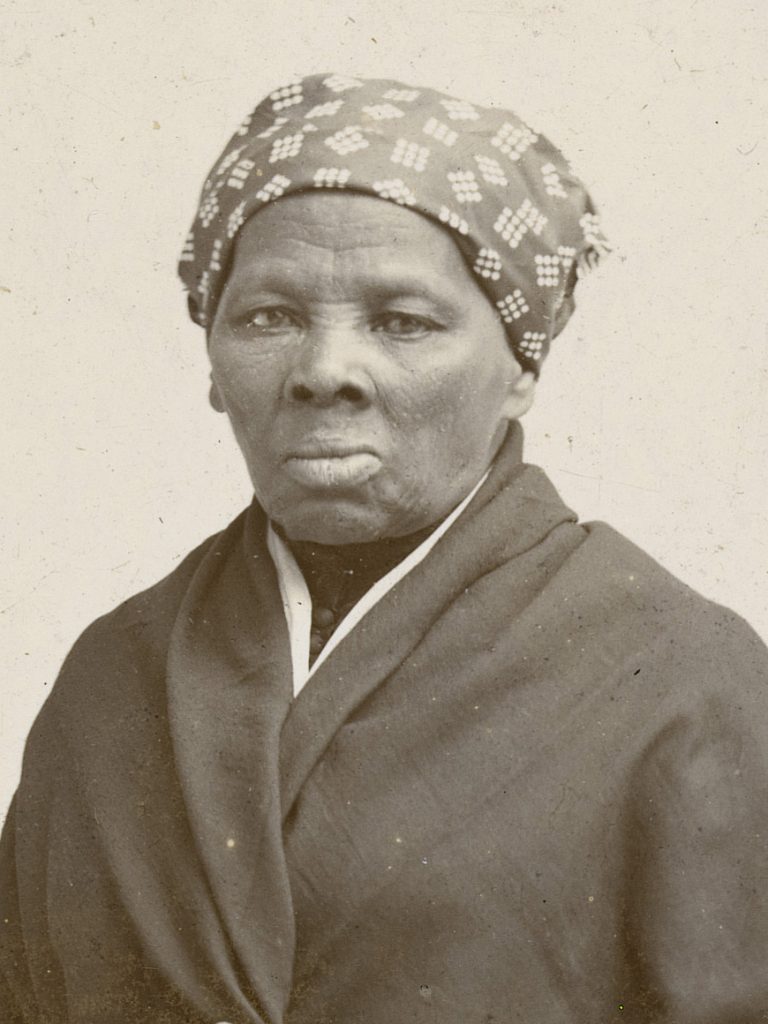
Once born into slavery, Tubman risked her life to lead around 300 fellow slaves to freedom. Believing in equality and dignity, Harriet utilized the Underground Railroad.
Nelson Mandela
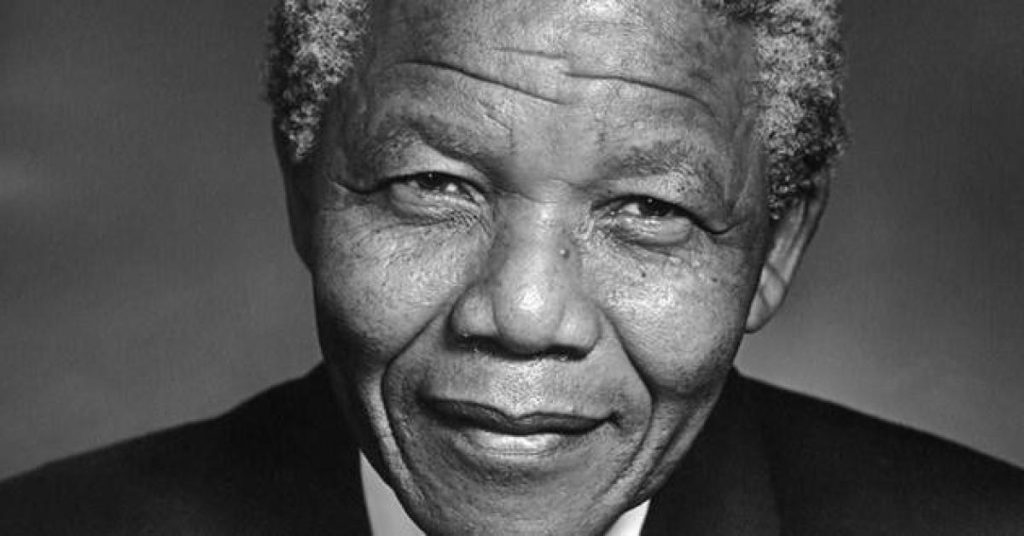
A South African freedom fighter, Mandela realized that civil disobedience and reconciliation were effective ways to fight against apartheid. He later served as the country’s first black president in 1994 and led a remarkable transition in South African politics in a once racially divided country.
Queen Elizabeth II
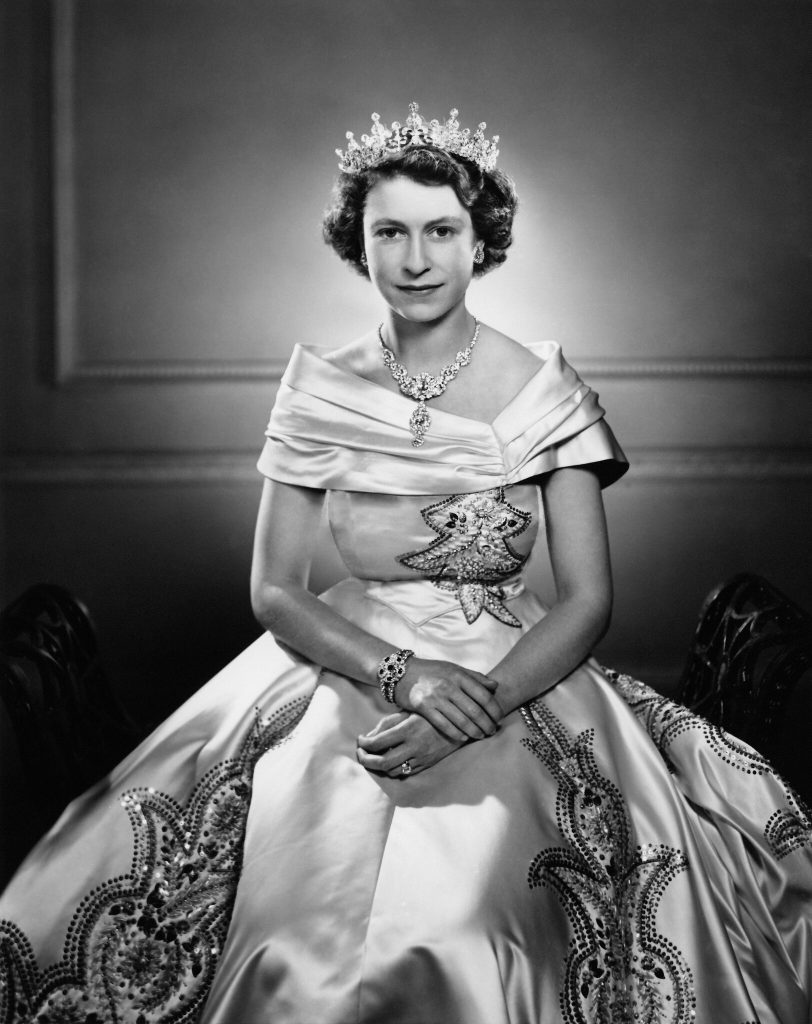
Queen Elizabeth II was the longest-reigning British monarch. During this time, she oversaw the United Kingdom’s postwar recovery and decolonization.
Winston Churchill
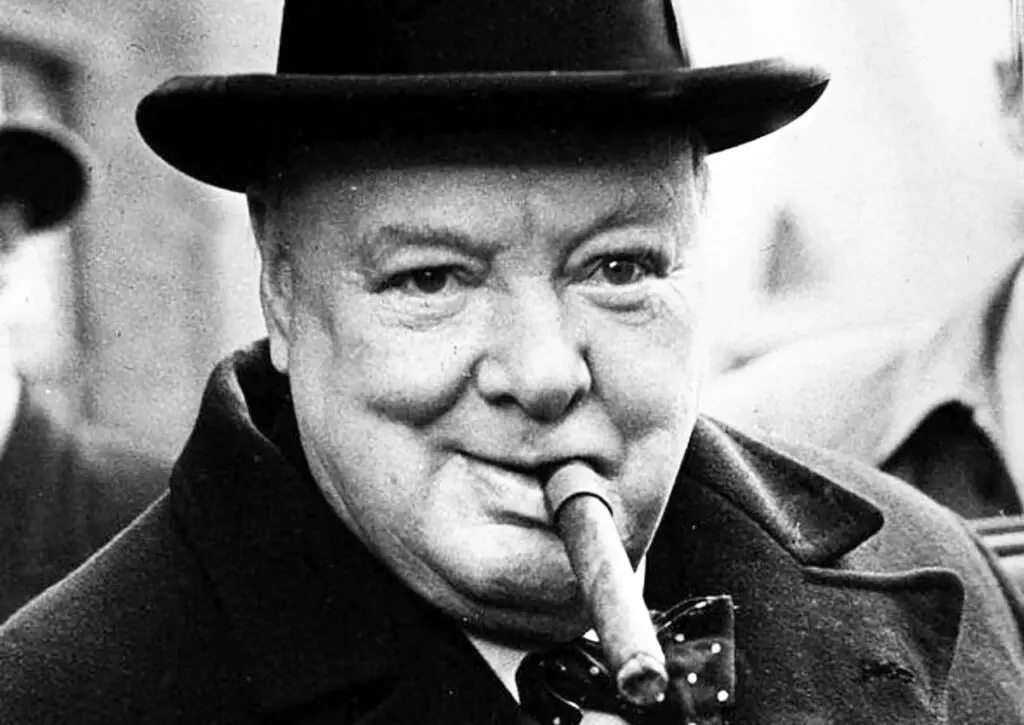
To this day, Churchill is considered one of the best strategists of the 20th century. Having served as chief executive of the United Kingdom during World War II, he is praised for uniting the country through his belief in an allied victory.
Julius Caesar
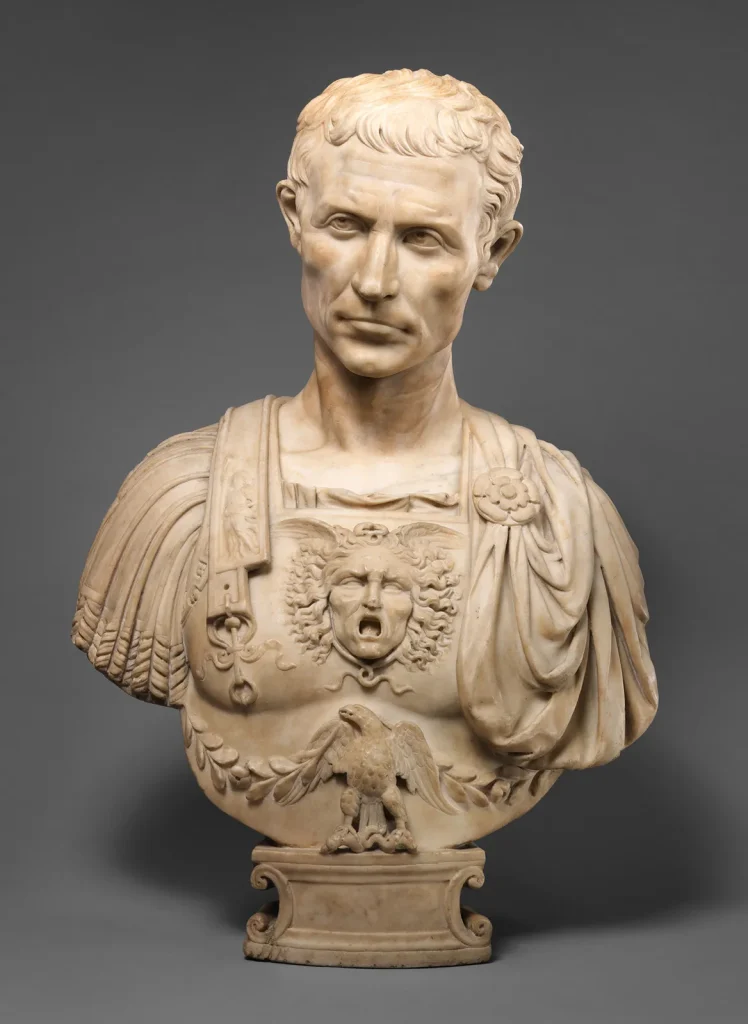
In a crucial moment for Rome, Caesar stepped in to solve Rome’s ongoing conflict as the republic was in danger of collapsing and the elites were engaged in a civil war. In this way, as he consolidated his power, he was able to stabilize the republic.
Gandhi
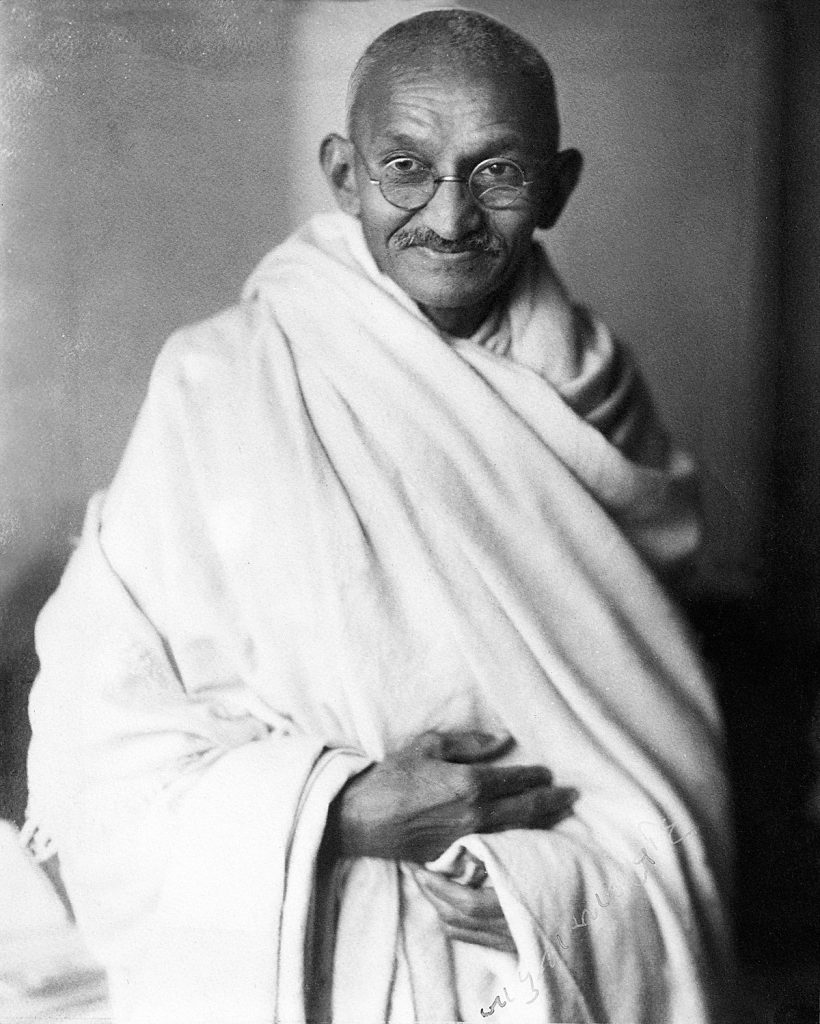
Gandhi remains an icon for his resistance against colonialism without resorting to violence. Remembered as the father of India, he has inspired not only his country but the entire world.
Rosa Parks
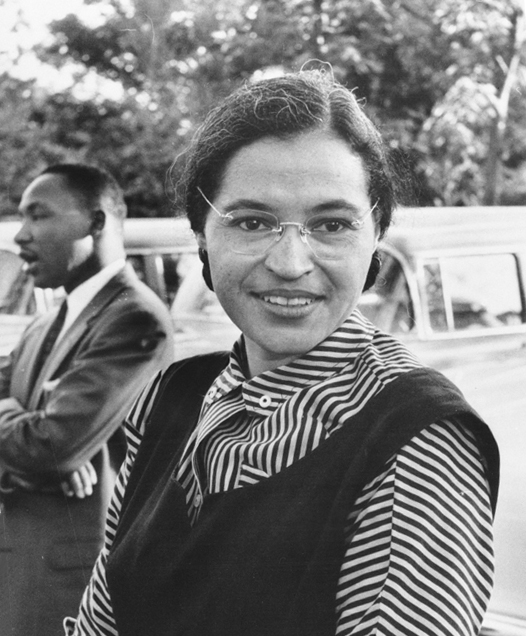
What happened on the 1st of December 1955? Rosa Parks refused to give up her bus seat for a white man. Her courageous and defiant act sparked the civil rights movement in the US.
Genghis Khan
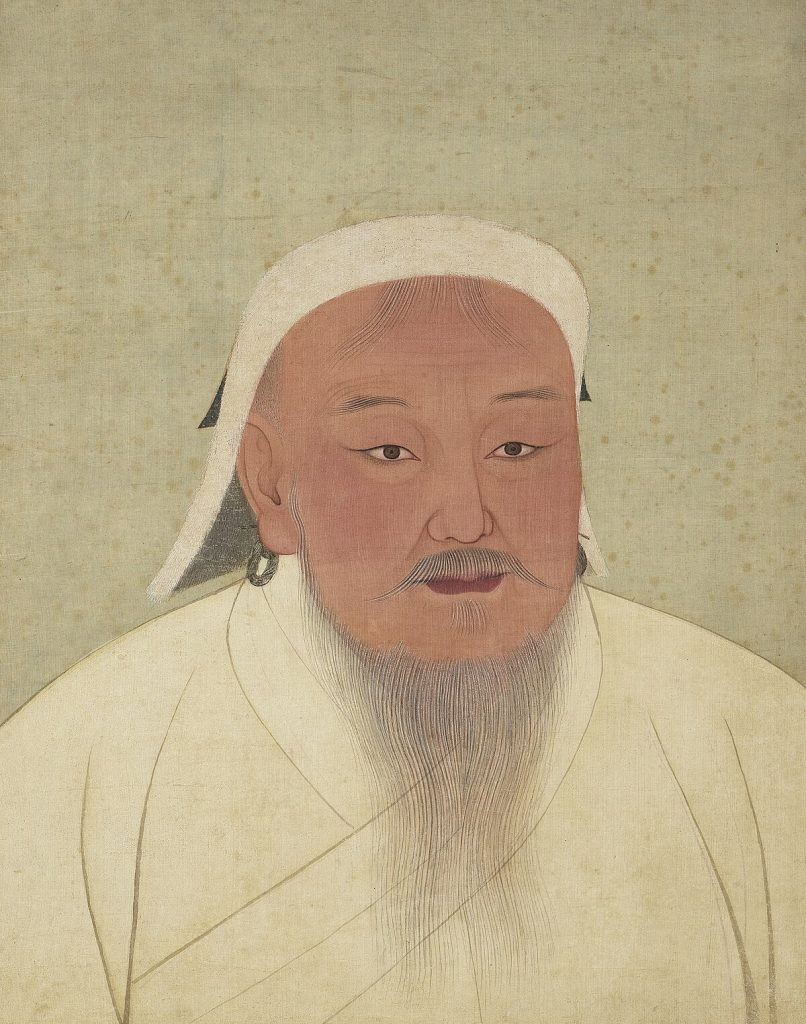
Responsible for uniting the nomadic tribes of Mongolia, Genghis Khan is today one of Mongolia’s greatest leaders. His empire stretched from China to Europe.
Mary Wollstonecraft
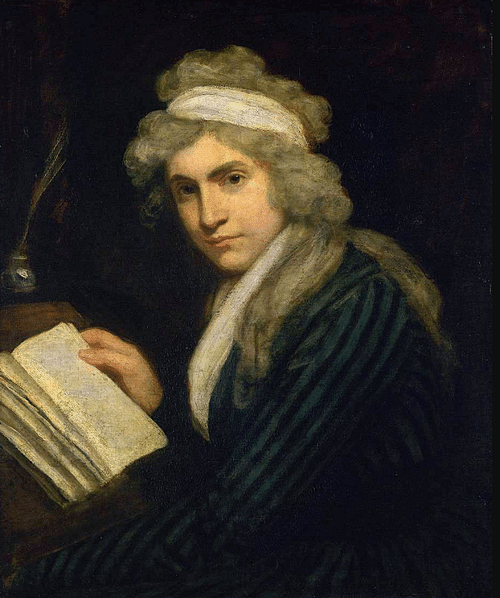
Mary’s work “A Vindication of the Rights of Women” set the stage for 20th-century feminism, as she insisted that women were more than just physical beauty. Instead, she claimed that they were human beings deserving of the same rights and advantages as men.
George Orwell
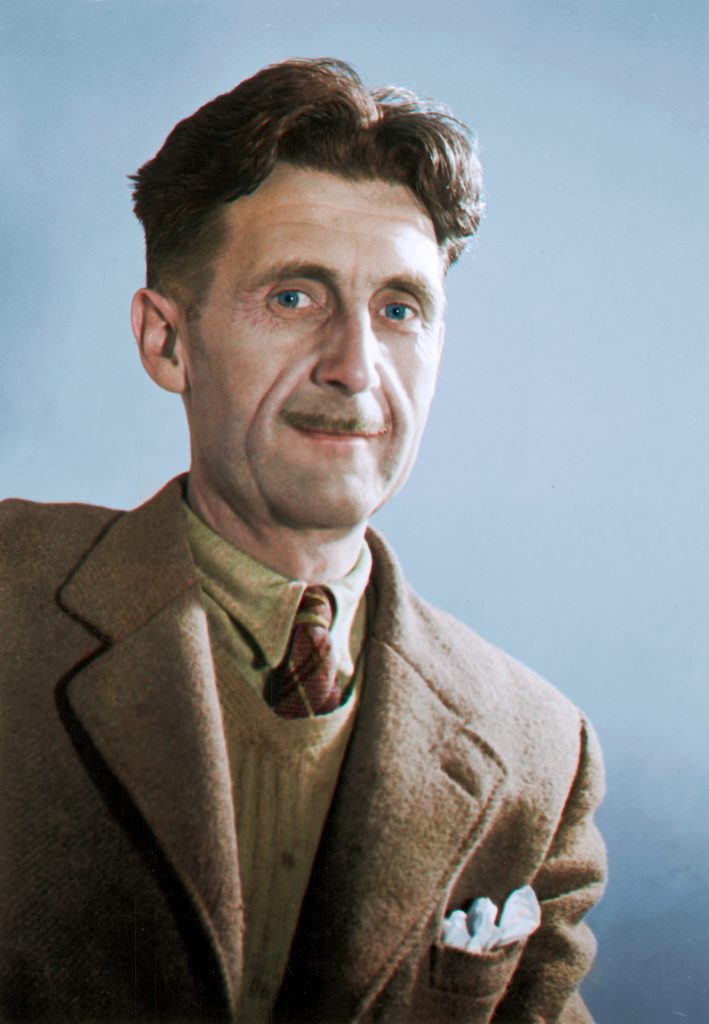
This writer is best remembered for his dystopian novels “Animal Farm” and “1984”. Nowadays, Orwell serves as a leader in tackling the rise of fascism, and his books still serve as a reference.
Marie Curie
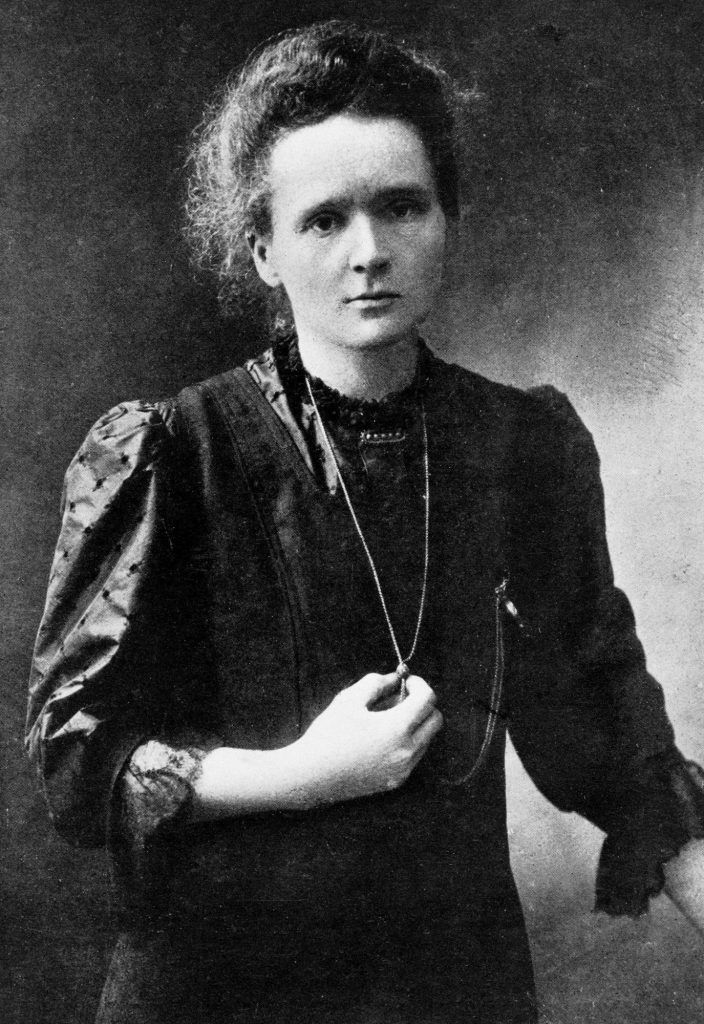
During her career, Curie became the first woman to win a Nobel Prize and the first person to win it twice. Her work on acquiring radioactivity led to important advancements in medical treatment and wartime medicine.
Martin Luther King
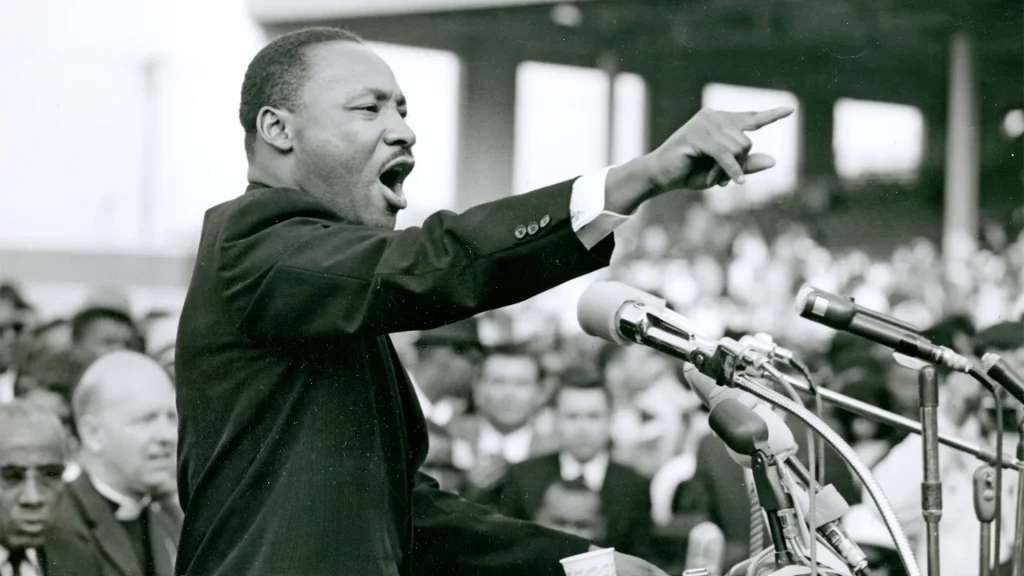
Martin Luther King Jr. was a minister and social activist who played a key role in the American Civil Rights Movement. During this time, he sought to peacefully fight for the end of racial segregation.
Joan of Arc
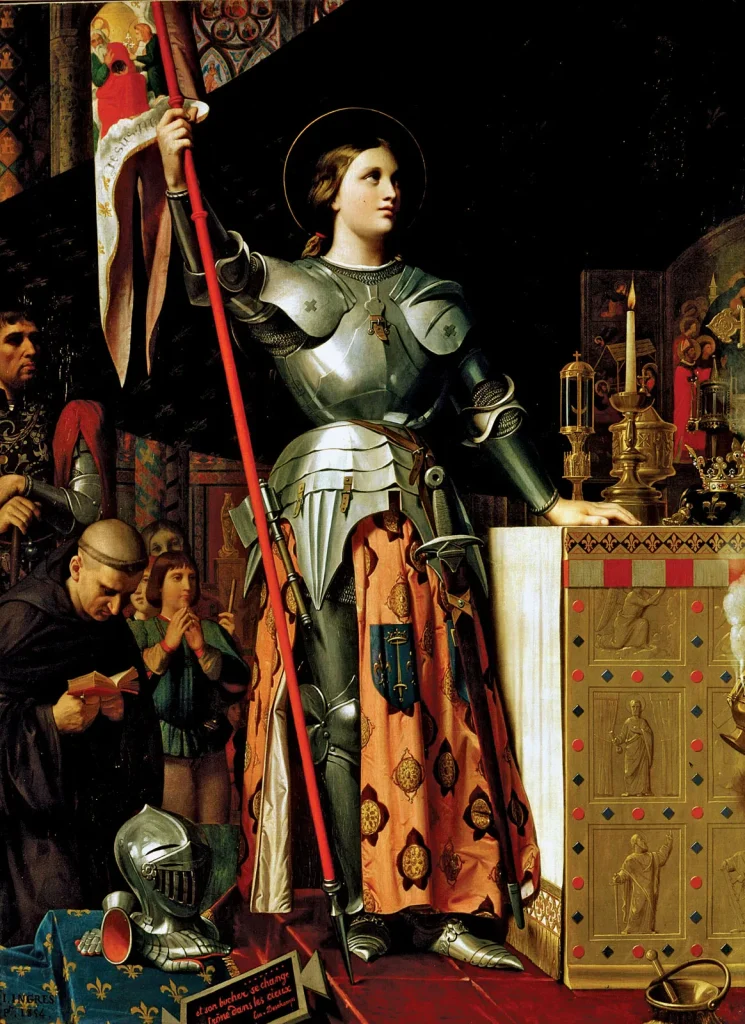
This young girl led the French army to victory at a critical warfare stage. Today, she is regarded as a great heroine in France.
Margaret Thatcher
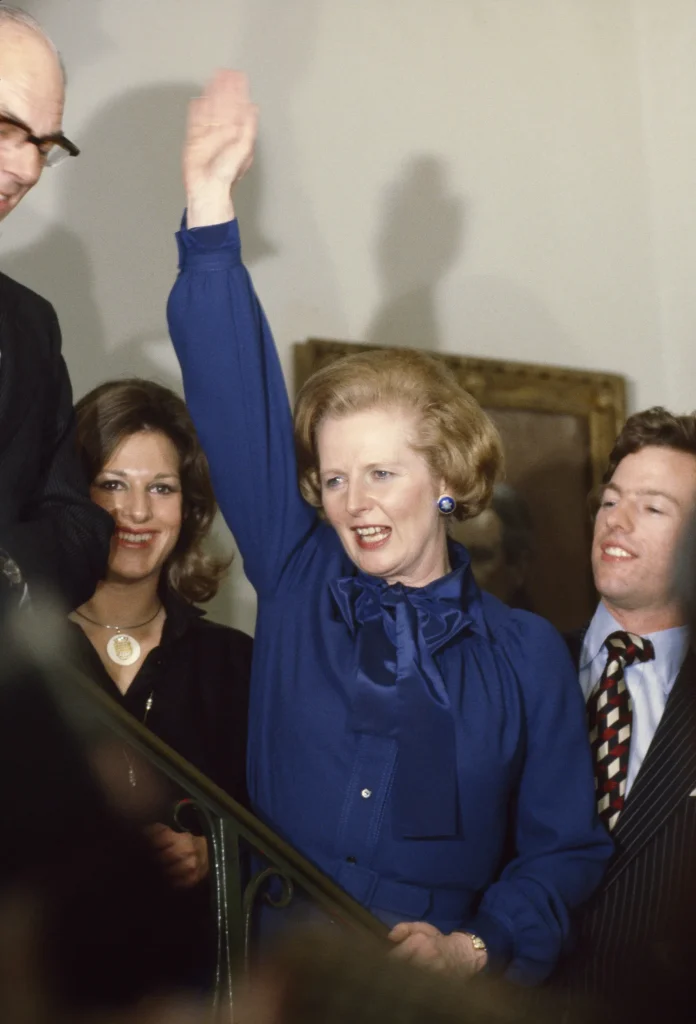
Thatcher was the first woman elected to lead a major Western country. Although she is a contested leader, she is today a global political and ideological icon.
Alexander the Great
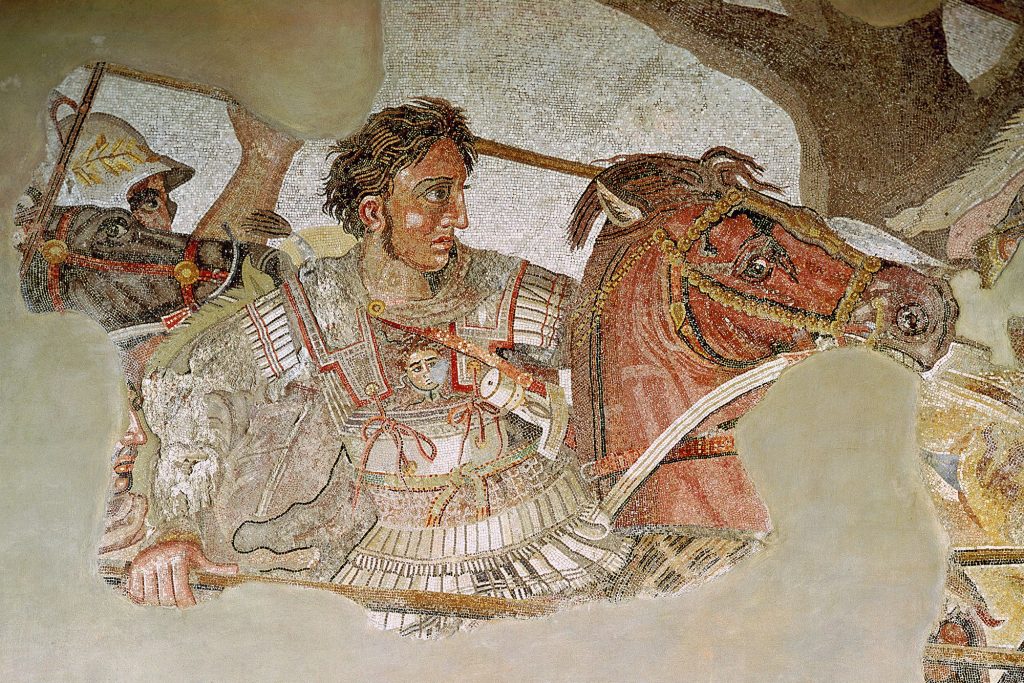
His historical dream was to rule the world with a combined force of Persians and Greeks. As a result, he never lost a battle in 15 years.
Abigail Adams
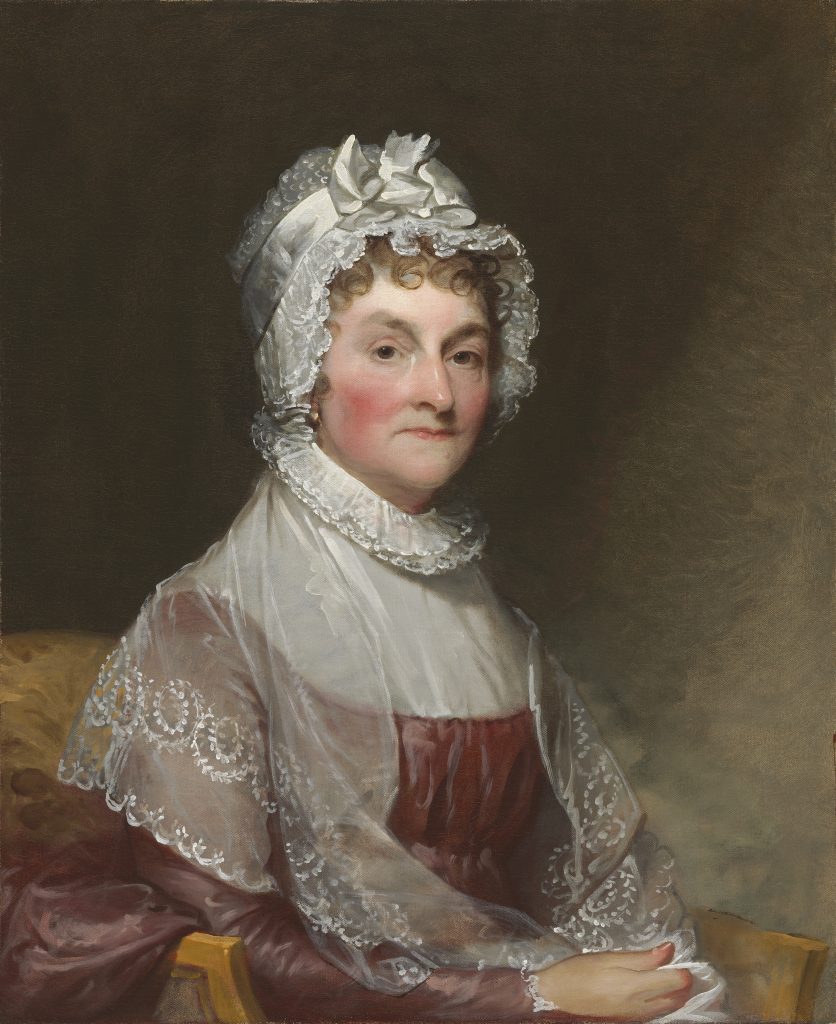
This former first lady of the United States is frequently remembered as her husband’s trusted adviser. More than just a role in the White House, Adams played an essential role during the American Revolution, even exchanging letters with many women who supported the revolution.
Abraham Lincoln
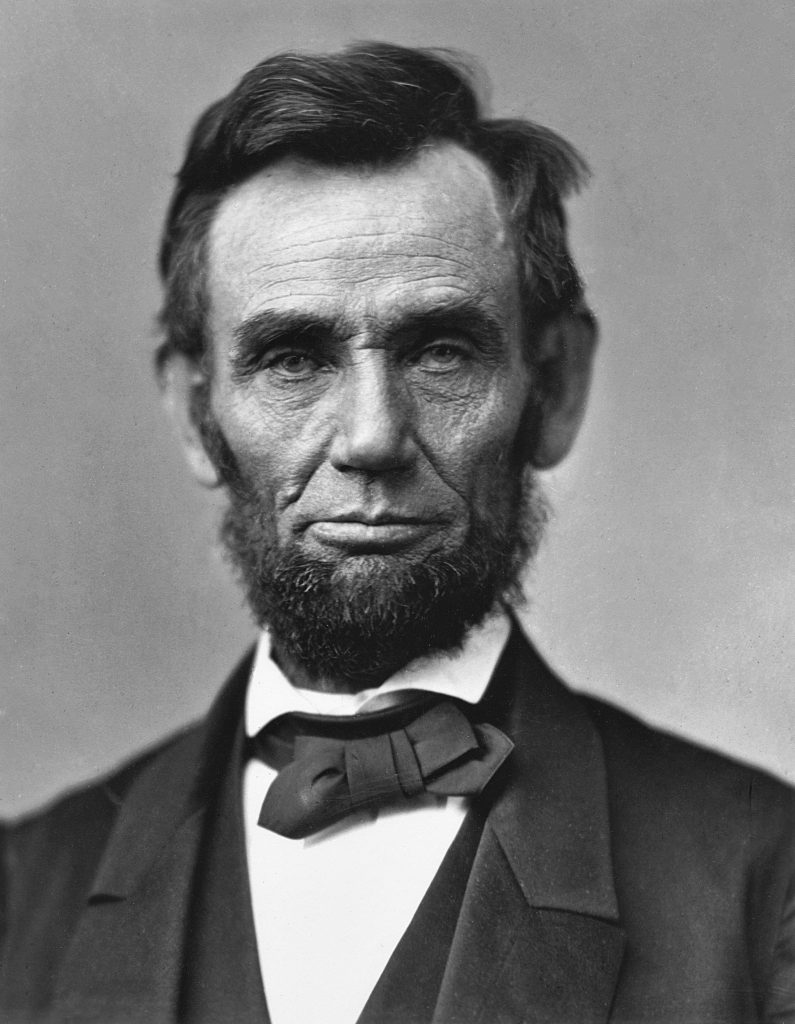
Credited for freeing American slaves, he became an American leader. The country also went through the Great Civil War. It was the military prowess and statesmanship of Abraham Lincoln that led the country to victory.
Yuri Gagarin
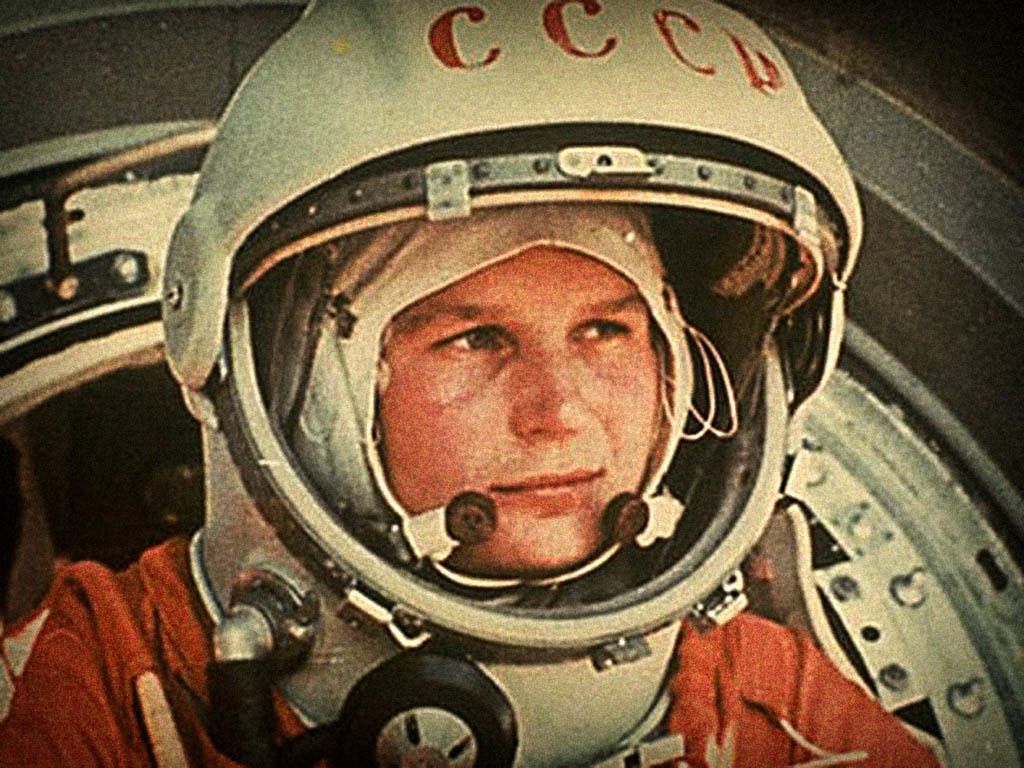
He was the first man to go to space. Yuri’s feats became a symbol of reaching for the stars.
José de San Martín
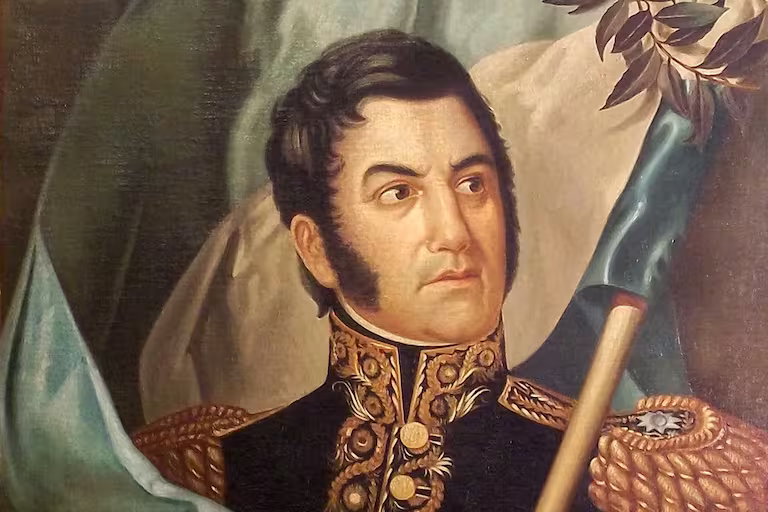
During the Argentinian revolution, San Martín was a key player in the revolutionary struggle against the Spanish crown. In this way, he liberated Argentina.
Mother Teresa
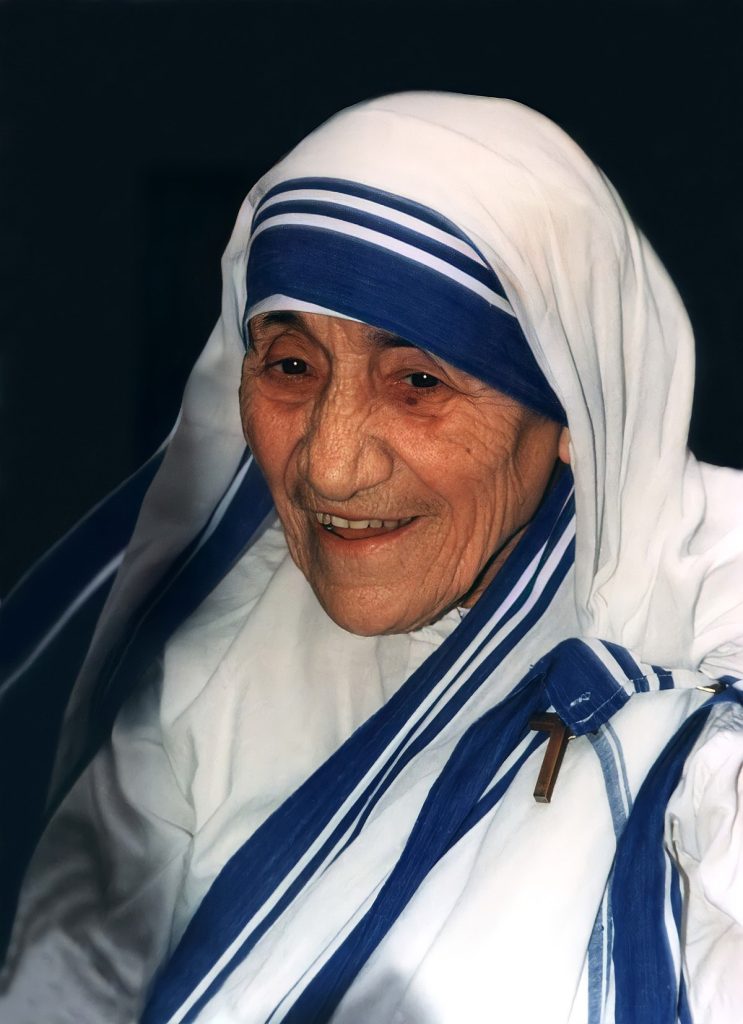
Mother Teresa dedicated her life to caring for those who were unwanted or unloved. She founded many homes around the world.
Simone de Beauvoir
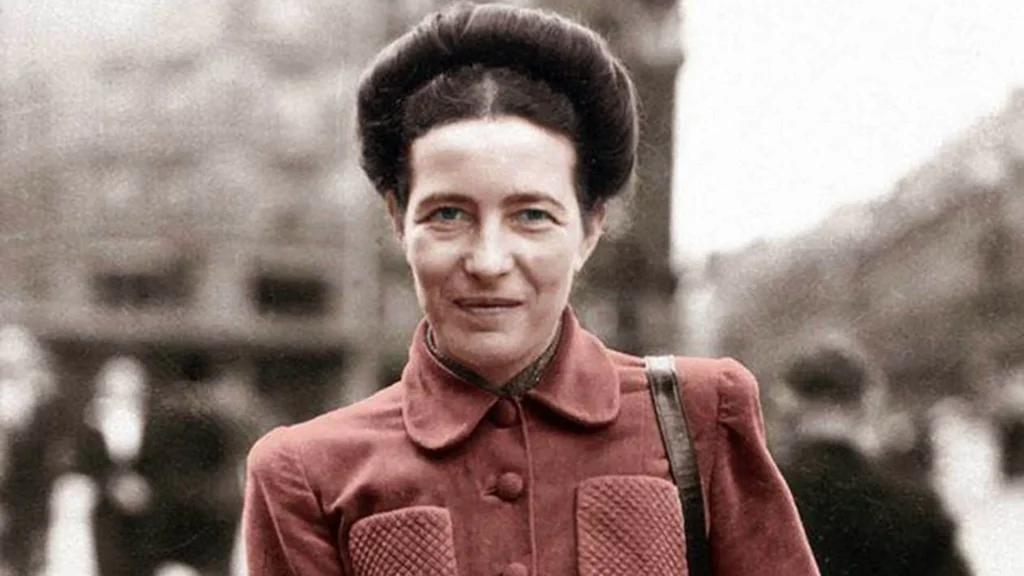
Simone’s writings on existentialism and feminism paved the way for future generations. Her candid portrayal of women’s struggles challenged history.
Helen Keller

This remarkable woman was the first deaf-blind person to earn a college degree. Today, her legacy remains an empowerment.
Jane Austen
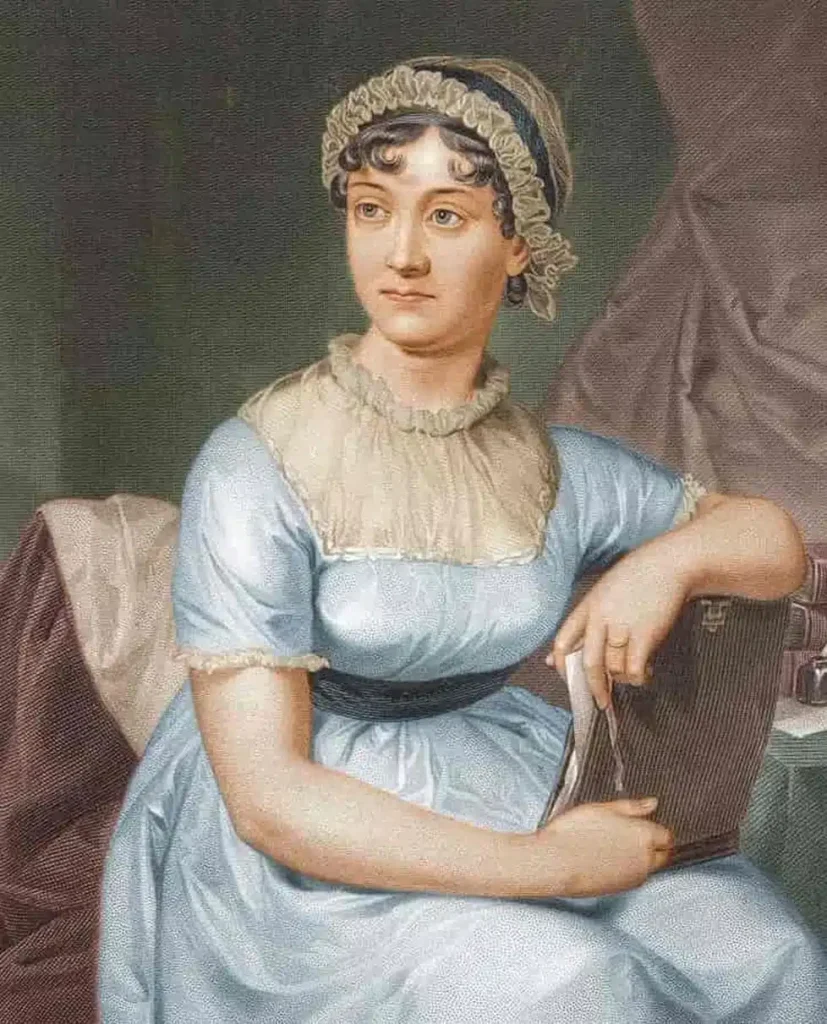
This writer’s brand of romantic fiction earned her a spot as “the best-loved author in the English language”.
Che Guevara
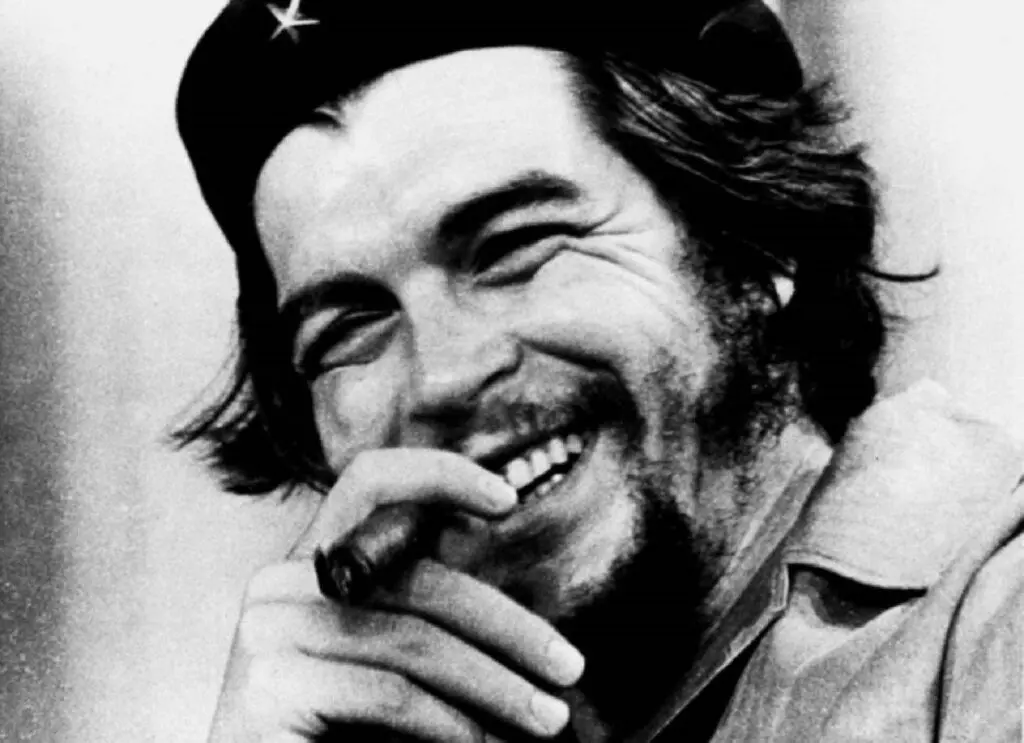
Ernesto Guevara was an Argentine-born revolutionary who helped play a crucial role in the Cuban Revolution. His image continues to be a symbol of rebellion, Leftism, and social justice.
Susan B. Anthony
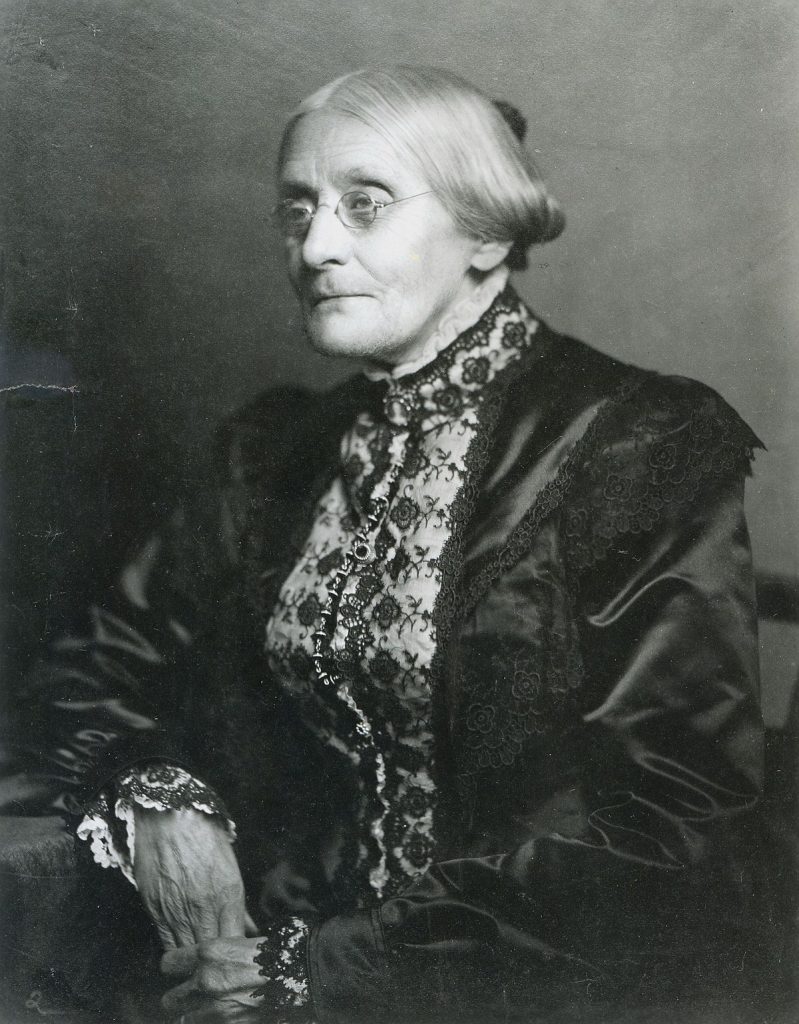
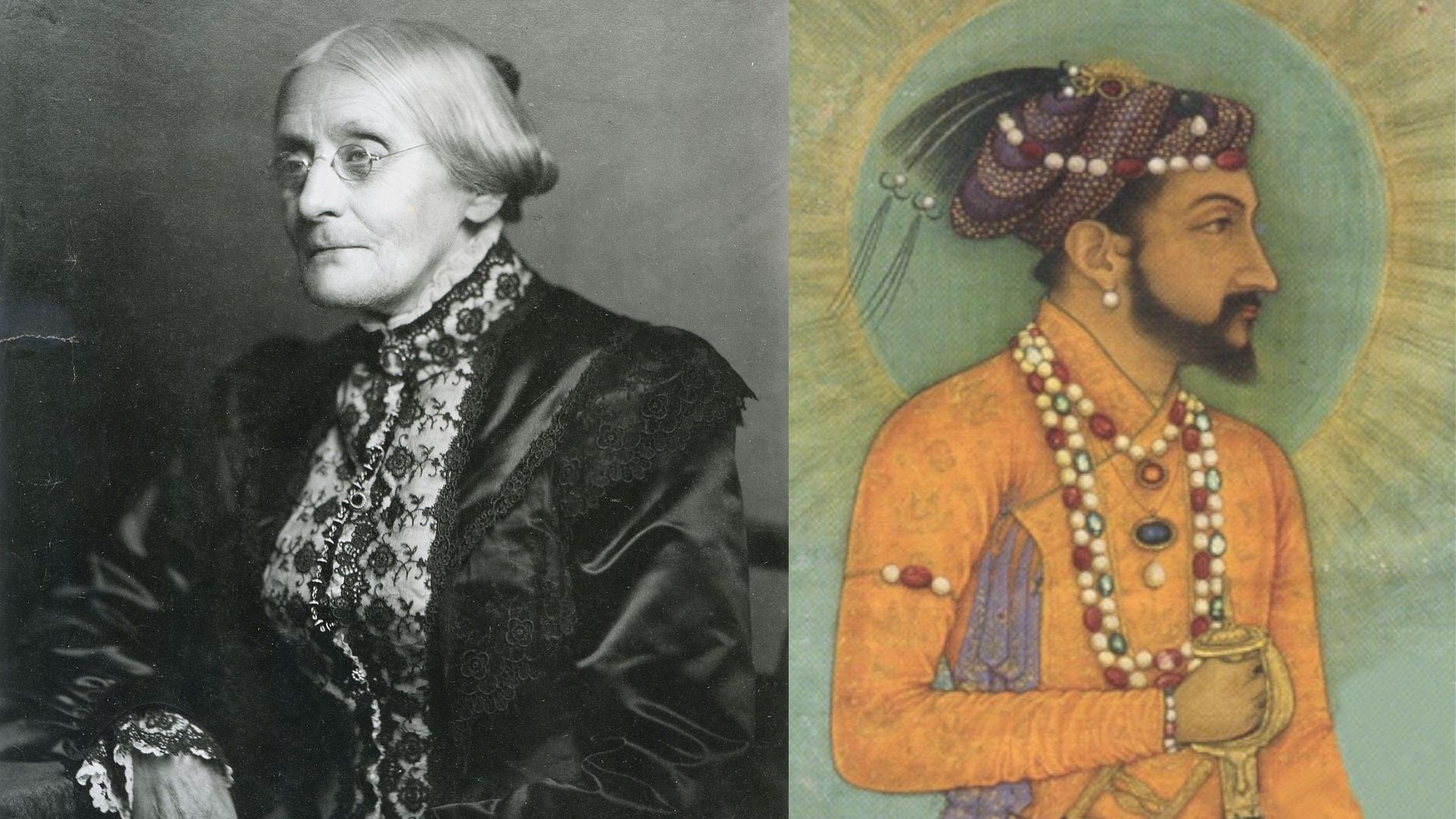
One of America’s most famous advocates for women’s rights, Susan dedicated her life to this cause.
Leonardo Da Vinci
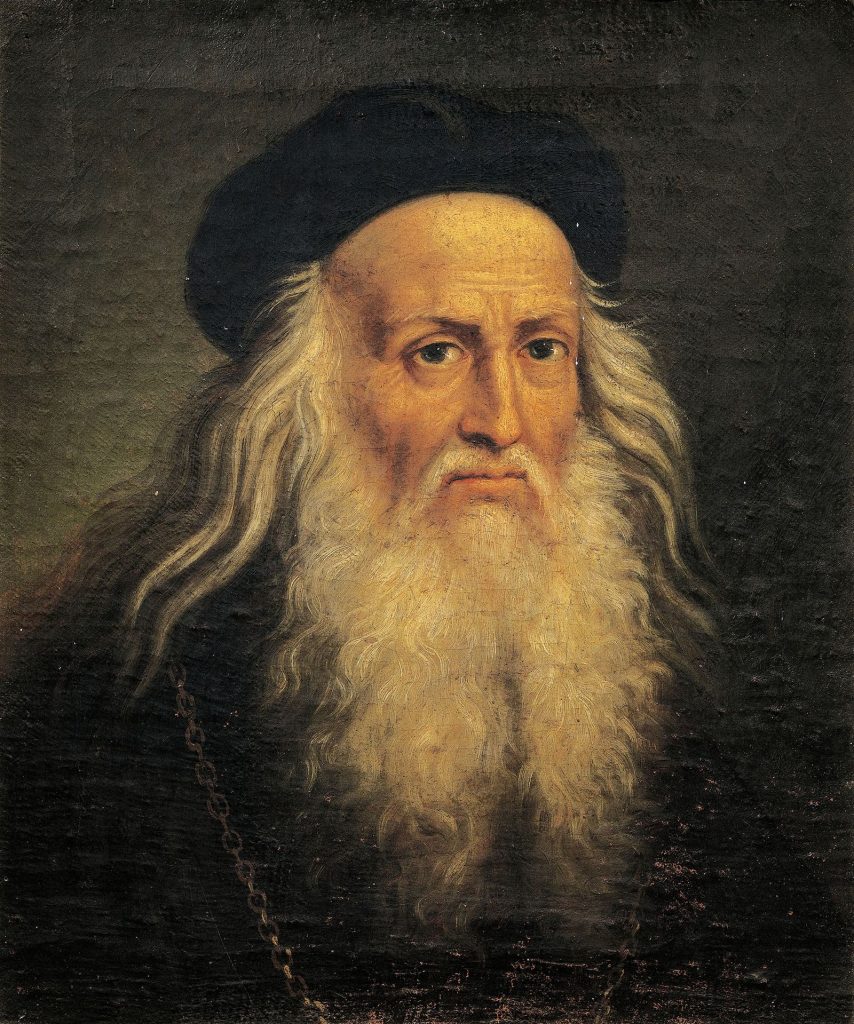
This Italian artist and scientist is considered one of the greatest minds of all time. Some of his most famous works include the “Mona Lisa”, “The Last Supper”, and “Vitruvian Man”.
Shah Jahan
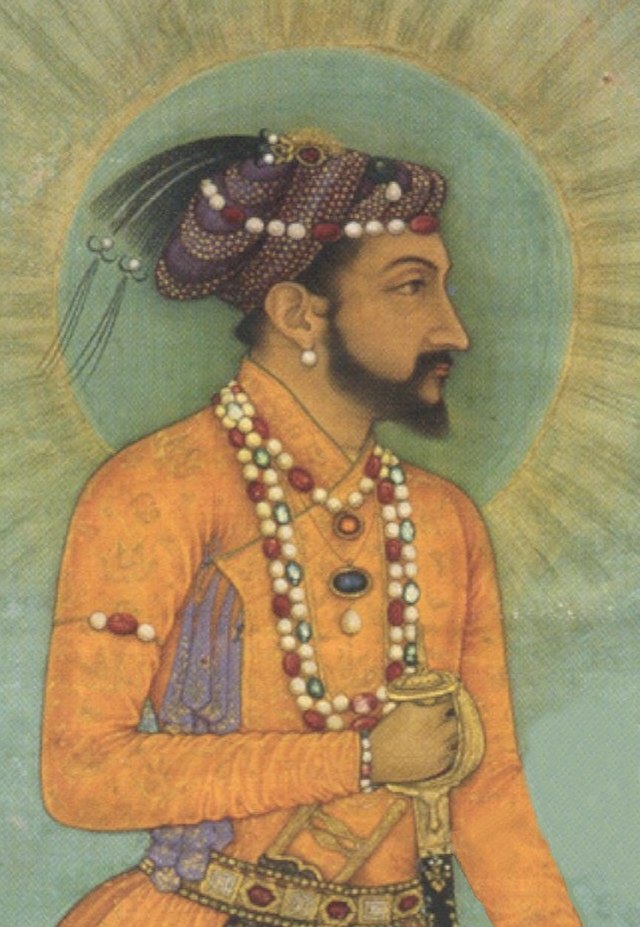
Shah Jahan was the 5th ruler of the Mughal dynasty. He is today best known for commissioning and building the Taj Mahal.