It is a jarring experience to have a stranger on the internet lecture you about the temperature of the air on a day you were standing outside. Across social media platforms, eyewitnesses are increasingly finding themselves at odds with armchair historians who have only read the summary of their lives. This article contains 30 instances where people who were physically present were told they were wrong about their own memories. It is a peculiar side effect of the digital age that data often trumps direct experience in public discourse.
The Woodstock Atmosphere
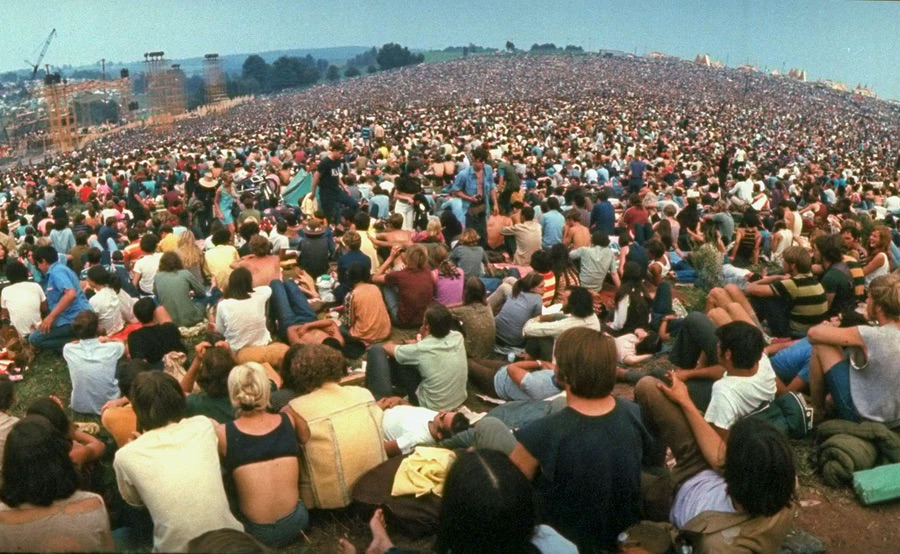
An original attendee shared their memories of the festival only to be met with skepticism regarding the weather and the mood. A commenter insisted that “everyone was high on LSD and it was a miserable mud pit from start to finish,” despite the witness recalling long stretches of quiet community. The physical reality of the event is often overshadowed by the cinematic myths created decades later.
Berlin Wall Demolition
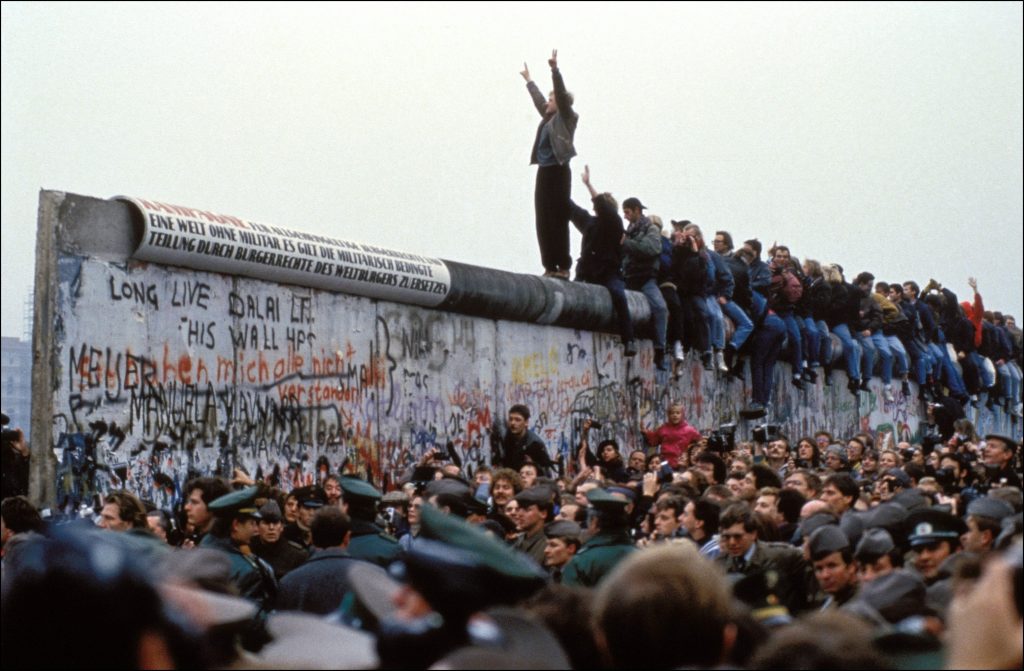
A user who was in Germany in 1989 described the specific smell of the concrete dust and the sound of the hammers. They were told by a younger enthusiast that “the fall of the wall was a strictly organized political maneuver with no civilian chaos,” which ignored the sheer spontaneity of the night. Local experiences often clash with the sanitized versions found in history textbooks.
The Challenger Disaster
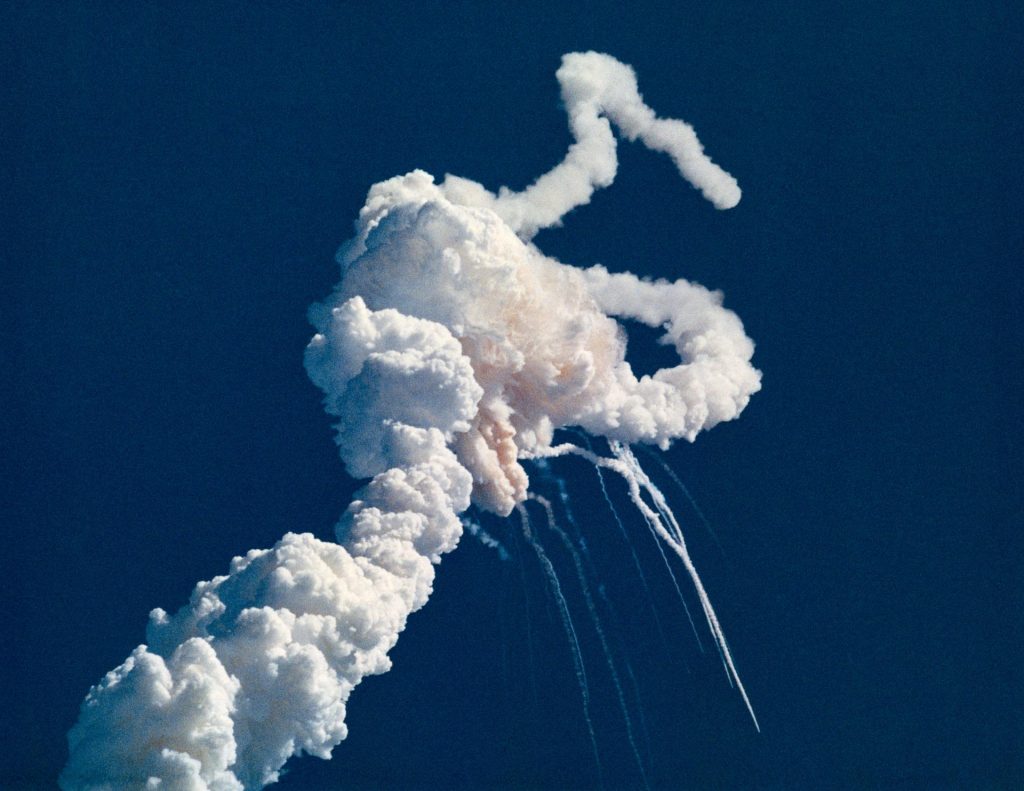
When discussing the 1986 tragedy, one witness mentioned watching it live in a specific classroom setting. A stranger attempted to correct them by stating “schools didn’t actually show the launch live because of technical delays,” ignoring the reality of the Big Bird satellite program. This erasure of personal history is a common trope in modern debunking culture.
Apollo Eleven Television Quality
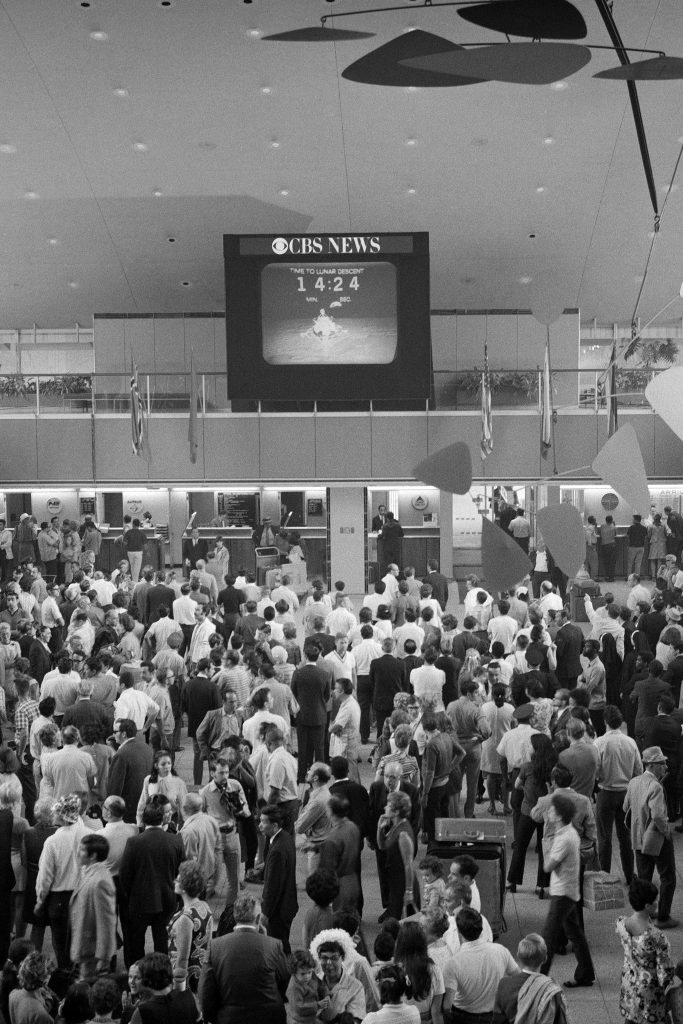
One grandmother recalled the moon landing as being incredibly blurry and difficult to make out on her family set. A teenager replied that “the footage was high definition for the time and you must have had a broken television,” failing to realize how signal degradation worked in the sixties. Grainy memories are often more accurate than restored digital archives.
Life In The USSR
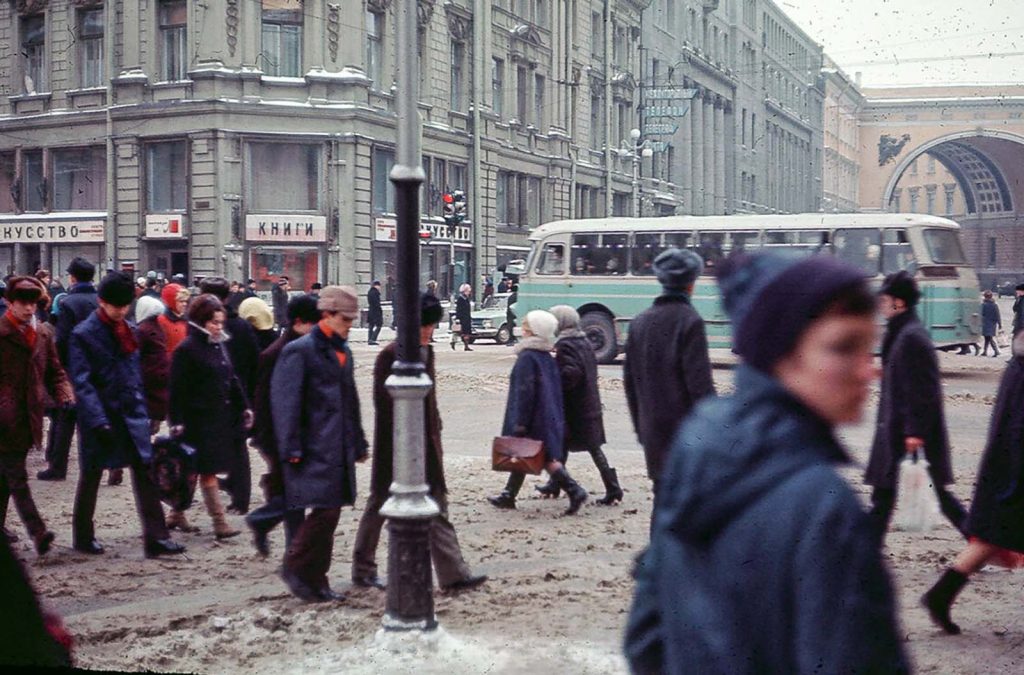
An immigrant described the everyday scarcity of specific goods during the eighties. They were told by a political science student that “scarcity was a Western myth and food was actually more nutritious and abundant than in the US,” which prompted the user to reply, “I lived on cabbage for three months.” Theoretical ideological successes frequently collide with lived poverty.
Punk Rock Origins
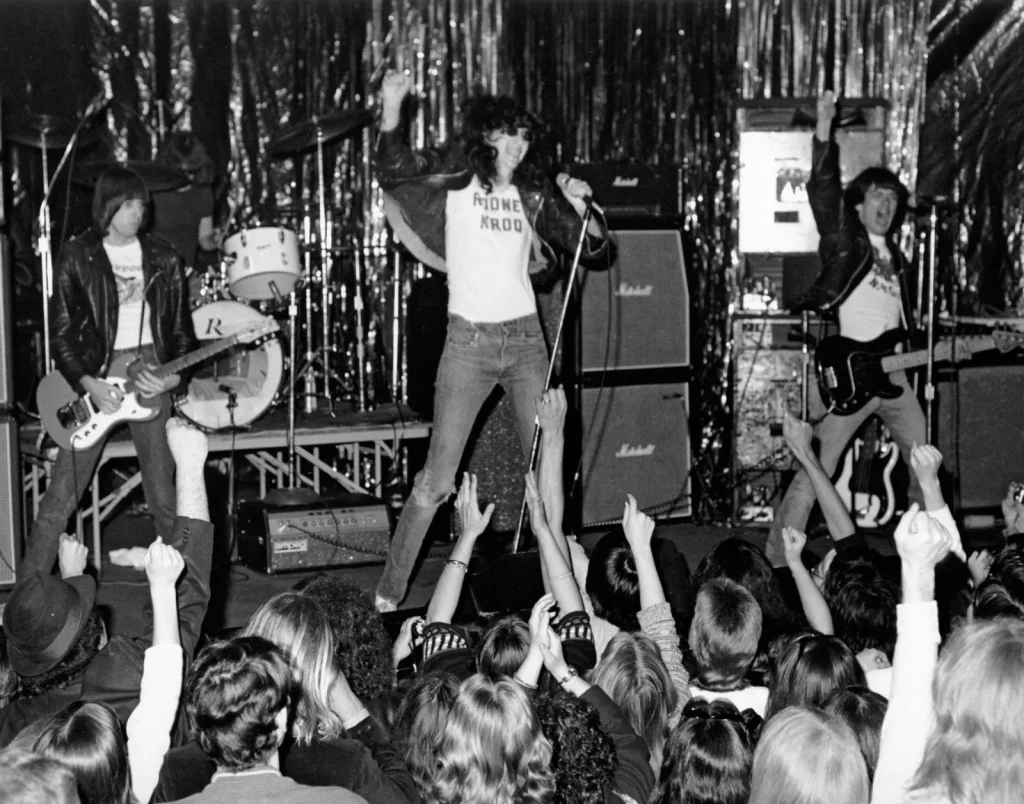
A Londoner who frequented the 100 Club in 1976 mentioned that most people there were just bored art students. A fan insisted that “punk was a violent proletarian revolution from day one,” refusing to accept the nuanced reality of the scene’s early demographics. Cultural movements are often backdated to feel more significant than they were in the moment.
Nine Eleven Ground Zero
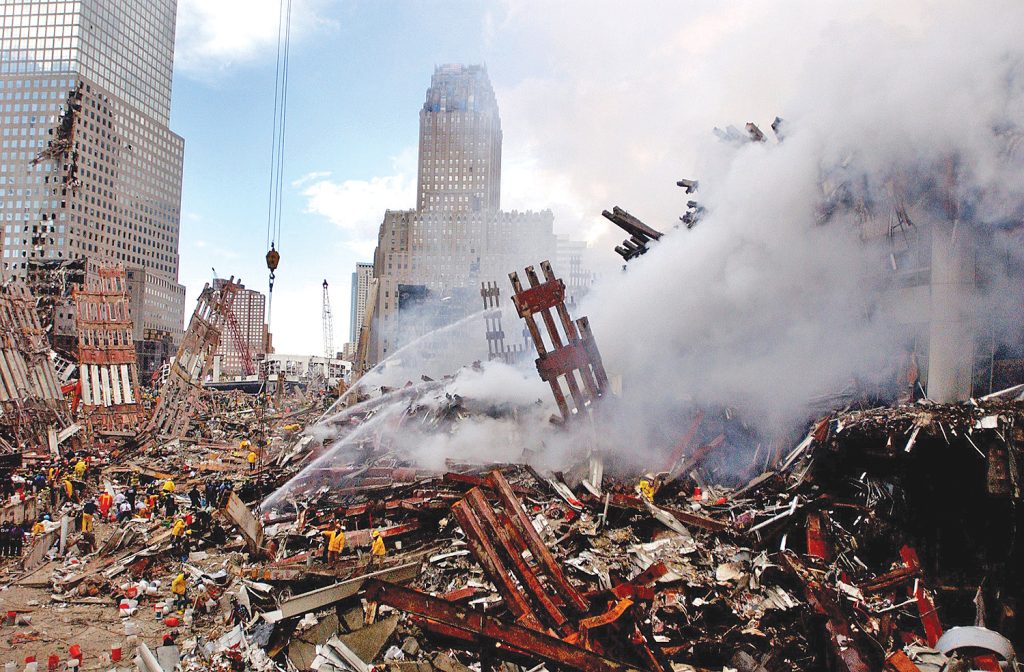
A New Yorker described the way the smoke hung over the city for weeks after the towers fell. A conspiracy theorist argued that “the air was clear after two days and the photos you see are doctored,” despite the witness having chronic lung issues from the debris. Fact-checking a survivor’s health is a new low in digital interaction.
Disco Demolition Night
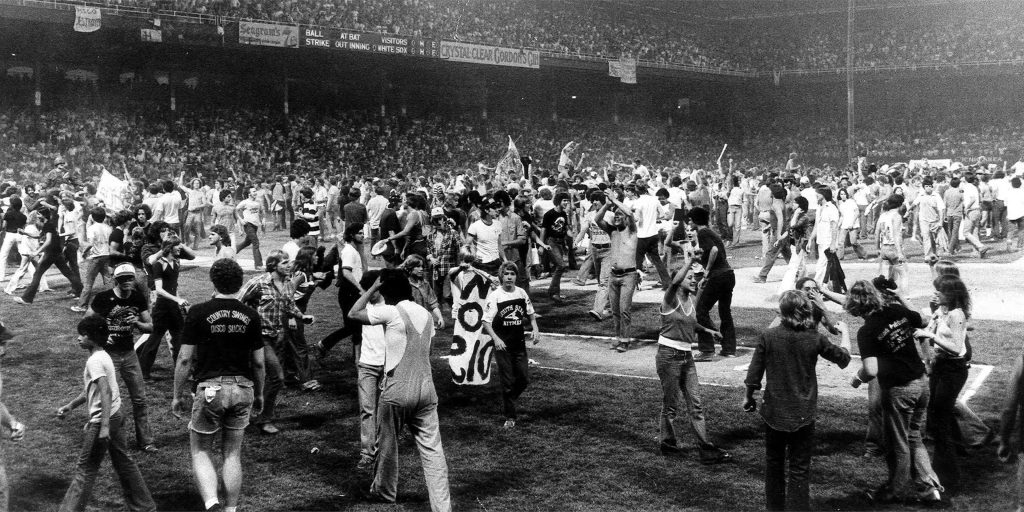
One baseball fan recalled the sheer terror of the riot at Comiskey Park in 1979. They were corrected by a music historian who claimed “it was a peaceful protest against corporate music that only got out of hand because of the police,” ignoring the actual explosions on the field. Explosives and records don’t mix well in any decade.
Mount Saint Helens Eruption
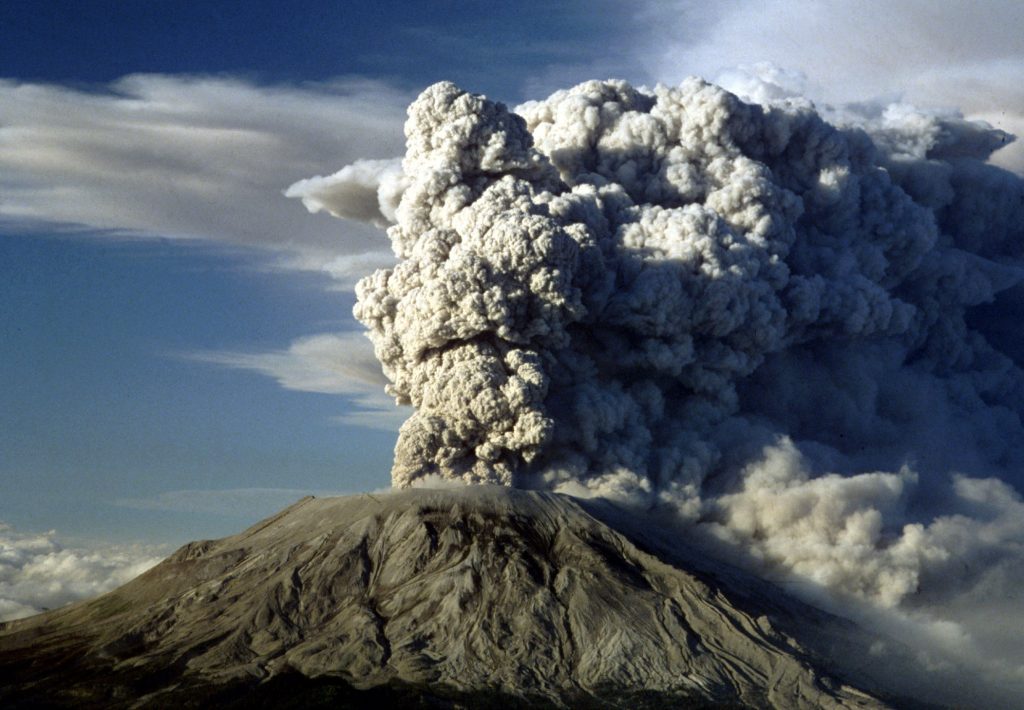
A resident of Yakima described having to shovel feet of ash off their driveway in 1980. A stranger replied that “ash only fell within ten miles of the volcano and you are exaggerating for clout,” even though the ash cloud reached across the country. Geological events don’t care about a stranger’s sense of scale.
Hurricane Katrina Water Levels
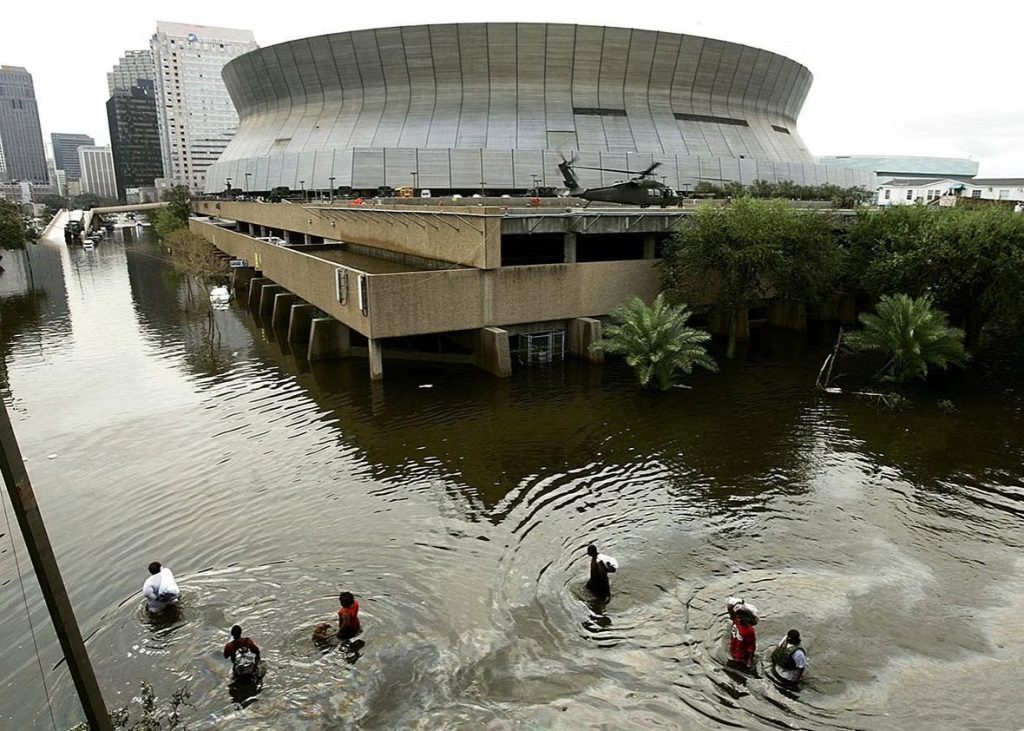
A survivor from the Ninth Ward mentioned the water reaching the second floor of their home. A skeptic tried to prove them wrong with a topographical map, stating “that area is too high for that level of flooding to occur,” ignoring the levee breaches. Maps cannot account for the failure of human-made infrastructure.
The First Office Computers
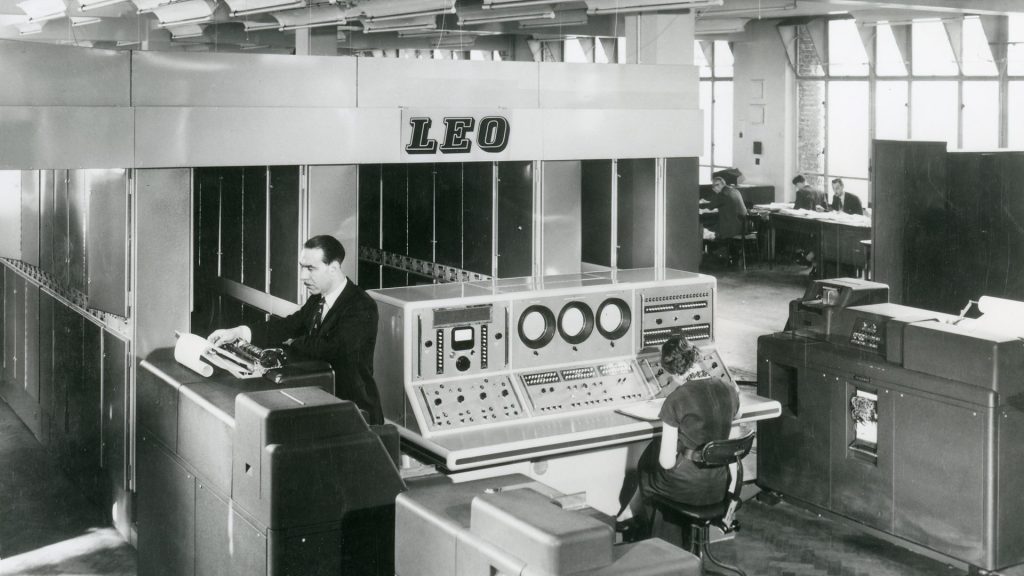
An IT veteran described the struggle of installing early internal networks in the eighties. A younger programmer commented that “those systems were plug-and-play and you were likely just unqualified for the job,” failing to understand the era of IRQ conflicts. Hardware used to be a physical battle, not a background process.
Segregation Era Schools

A black woman described the quality of her textbooks in the fifties as being ten years out of date. A revisionist insisted that “funding was equalized by state law and the facilities were identical,” which completely erased her lived reality. Laws on paper rarely matched the reality of the schoolhouse floor.
The Los Angeles Riots
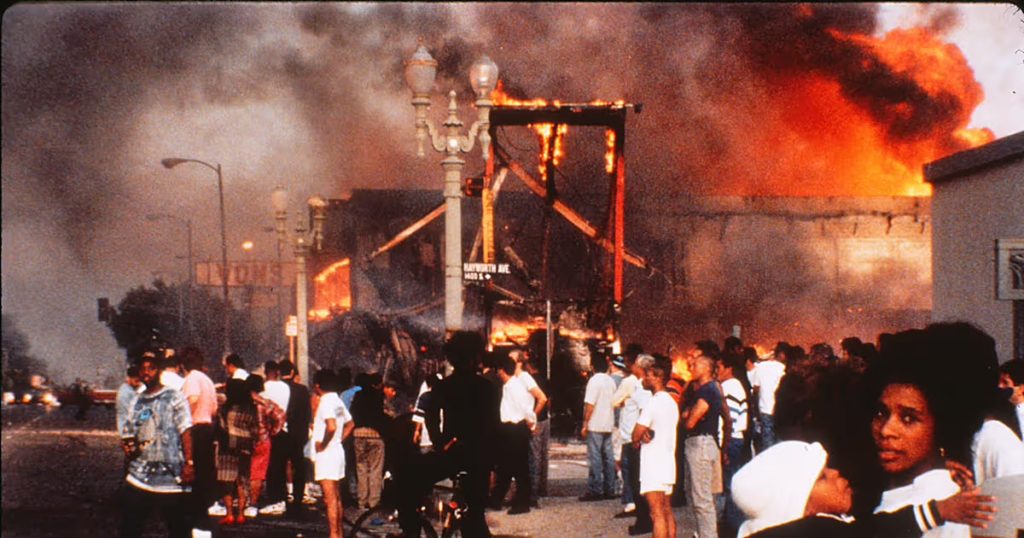
One person who lived in Koreatown in 1992 recounted the feeling of being abandoned by the authorities. They were told by a social media activist that “the National Guard was deployed immediately to protect the shops,” despite the witness seeing their neighborhood burn for days. The delay in response was a factual horror that documentation sometimes fails to capture.
Sixties Fashion Realities

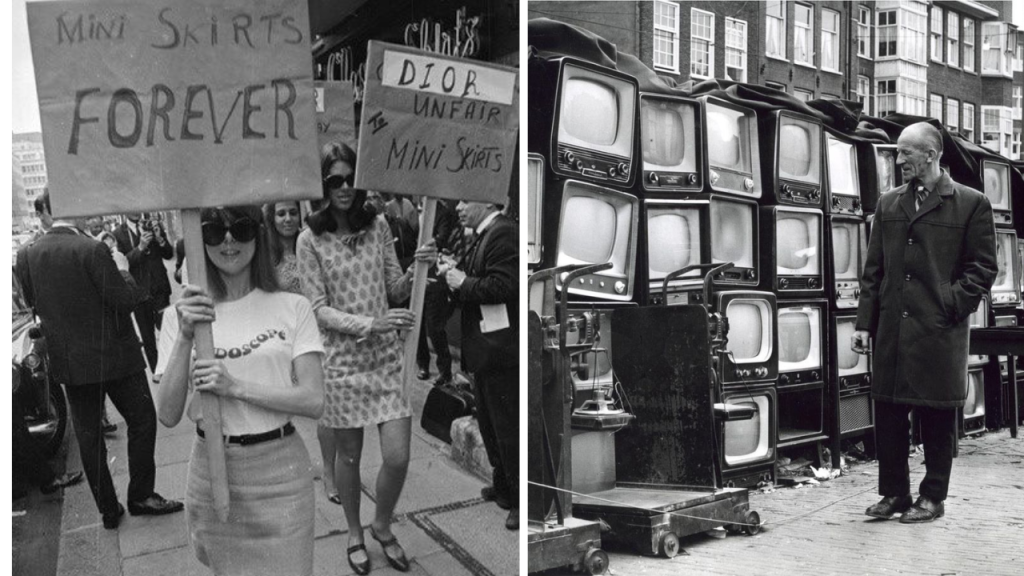
A woman mentioned that most people in 1967 still dressed like it was the fifties. A fan of the show “Mad Men” argued that “everyone was wearing mini-skirts and psychedelic patterns by then,” confusing pop culture highlights with everyday life. Fashion evolution is a slow crawl, not a sudden overnight change.
Vietnam War Jungle Conditions
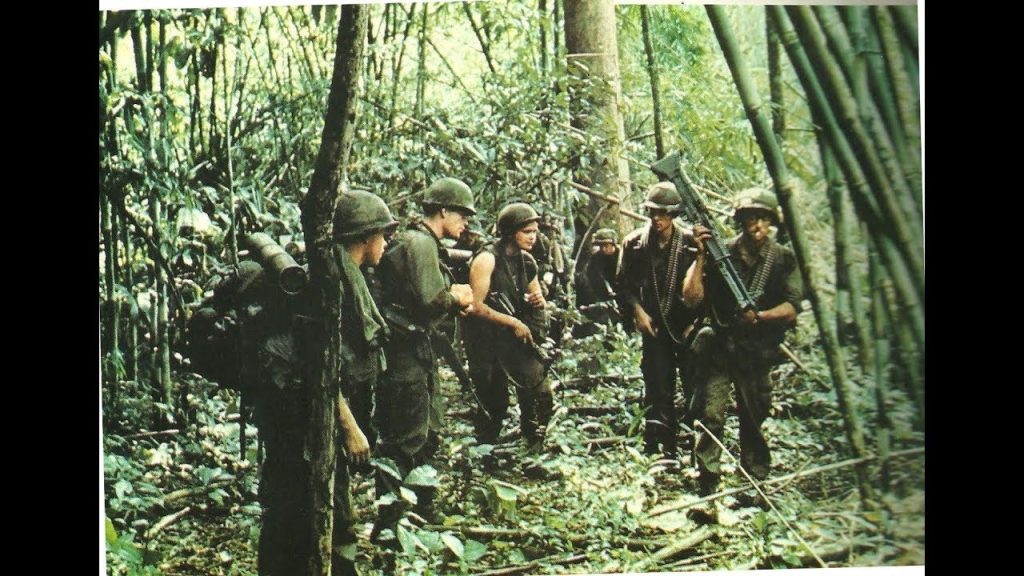
A veteran described the constant dampness and the rot that affected their boots. A military enthusiast corrected him, saying “the standard issue gear was designed specifically for those conditions and worked perfectly,” ignoring the frequent supply chain failures. Theory often ignores the practical reality of a rotting sock.
The Star Wars Premiere
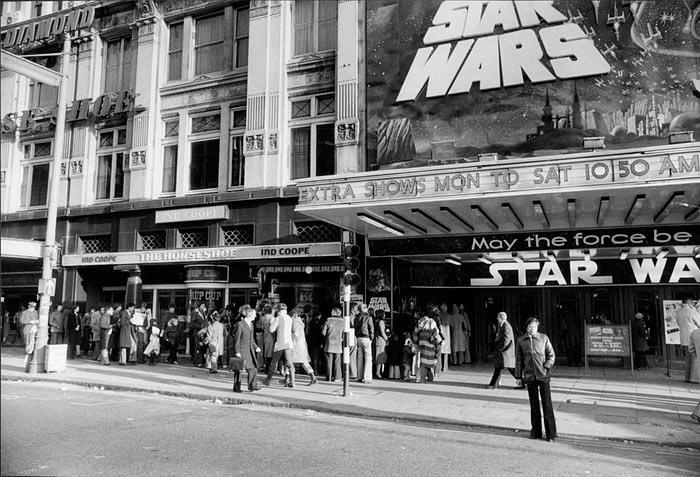
One man recalled seeing “Star Wars” in May 1977 and being the only person in the theater. A fanboy argued that “it was a sold-out blockbuster from day one and you are lying,” forgetting that the movie opened on very few screens. Success was a slow burn that built over the summer of that year.
Seattle Grunge Scene

A former musician from Washington mentioned that “grunge” wasn’t a term anyone used locally until MTV showed up. A music journalist corrected them, insisting that “the term was coined and embraced by the local underground years before,” despite the witness never hearing it in the actual clubs. Labels are usually applied from the outside looking in.
Life Before Smartphones

A Gen Xer mentioned how people used to just sit and wait for hours without being bored. A Gen Z user replied that “people were just as distracted by newspapers and books and nothing has changed,” ignoring the addictive loop of the infinite scroll. Silence was a different quality of experience before the pocket computer.
The Y2K Bug Fear

A programmer explained that the reason nothing happened was because they worked eighteen-hour days to fix it. A stranger insisted that “it was a hoax designed to sell software updates and never a real threat,” dismissing the massive infrastructure effort. Prevention of disaster often looks like a false alarm to the uninformed.
Princess Diana Funeral
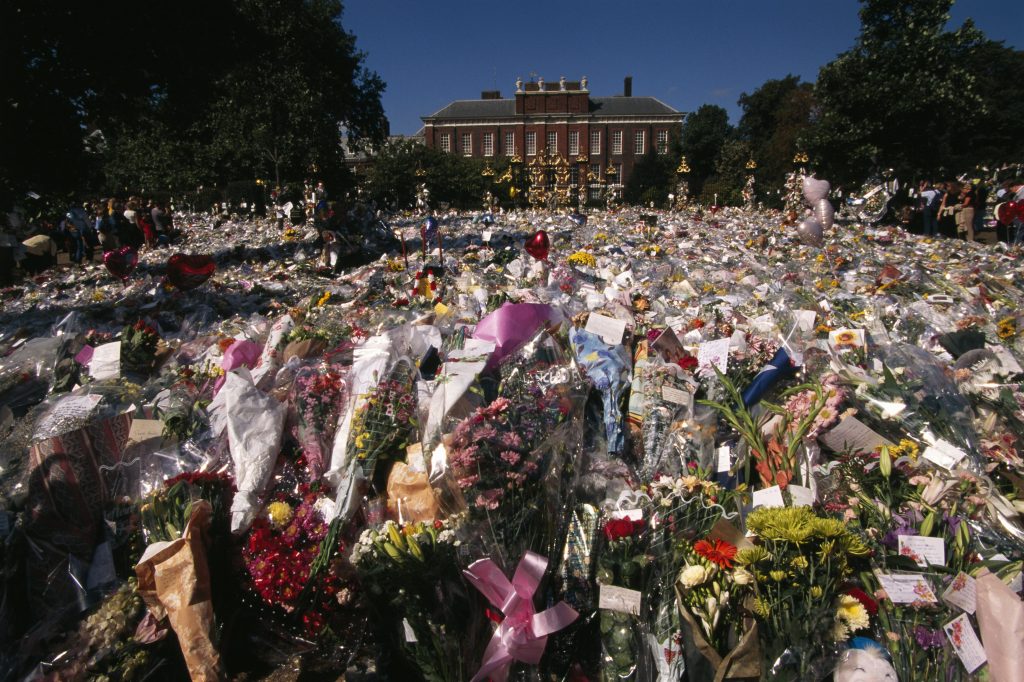
A Londoner described the eerie silence of the city on the day of the funeral. They were corrected by an online historian who said “there were massive crowds and loud crying throughout the streets,” missing the distinction between a crowd and a noise level. Great grief often manifests as a heavy, quiet stillness.
Seventies Gas Lines
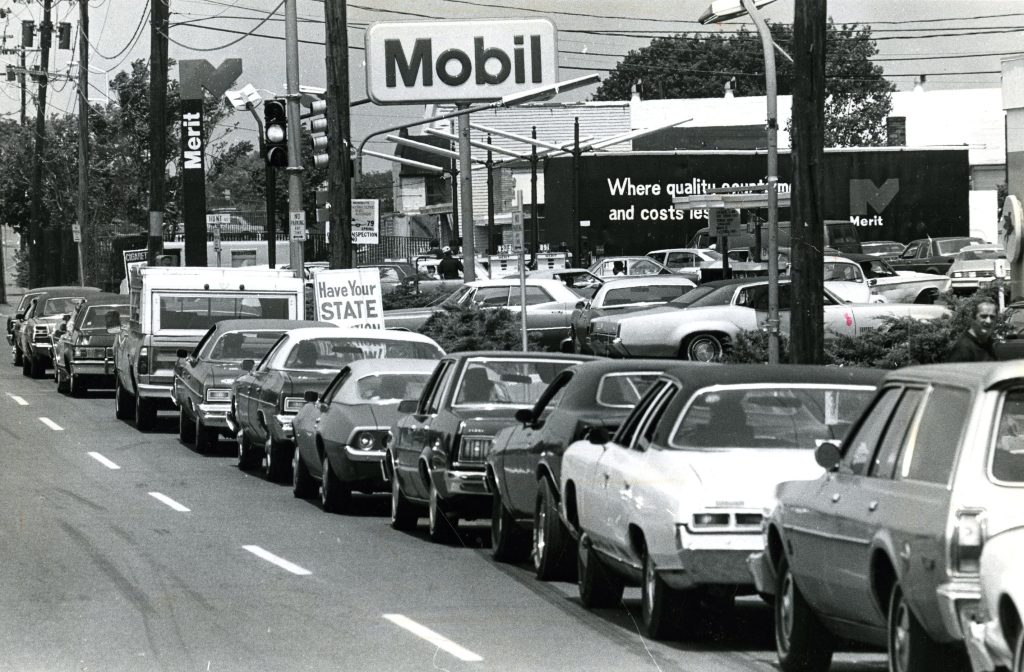
An older driver recalled the odd-even gas rationing days in 1973. A skeptic claimed that “the gas crisis was a manufactured shortage by the oil companies and you never actually had to wait,” ignoring the physical lines that stretched for blocks. Economic theories cannot fill an empty fuel tank.
Berlin Wall Checkpoint Procedures
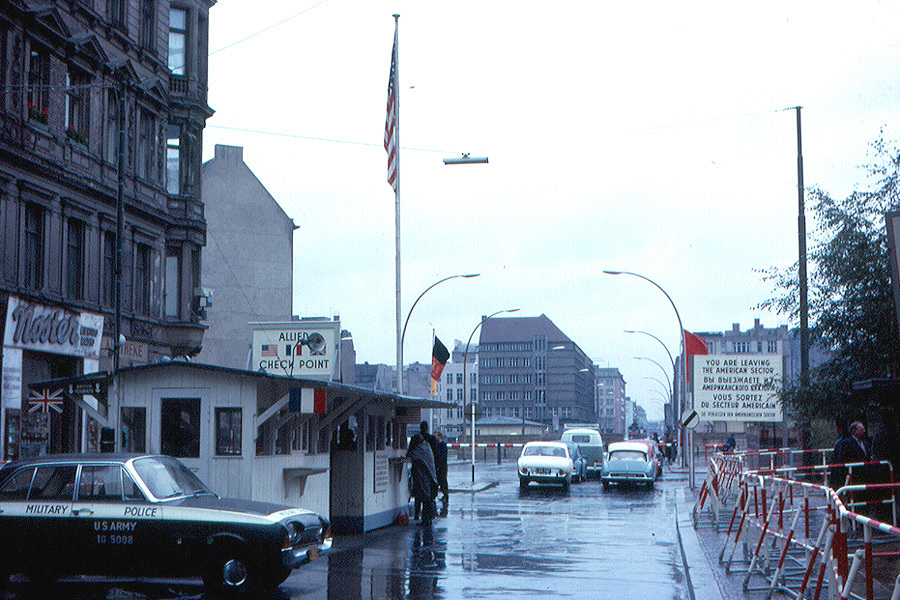
One traveler described the extreme tension and the mirrors used to check under cars at Checkpoint Charlie. A commenter said “it was just a normal border crossing and you’re being dramatic for likes,” despite the reality of the Cold War. Mundanity is a privilege of the peaceful present.
The Financial Crash Atmosphere
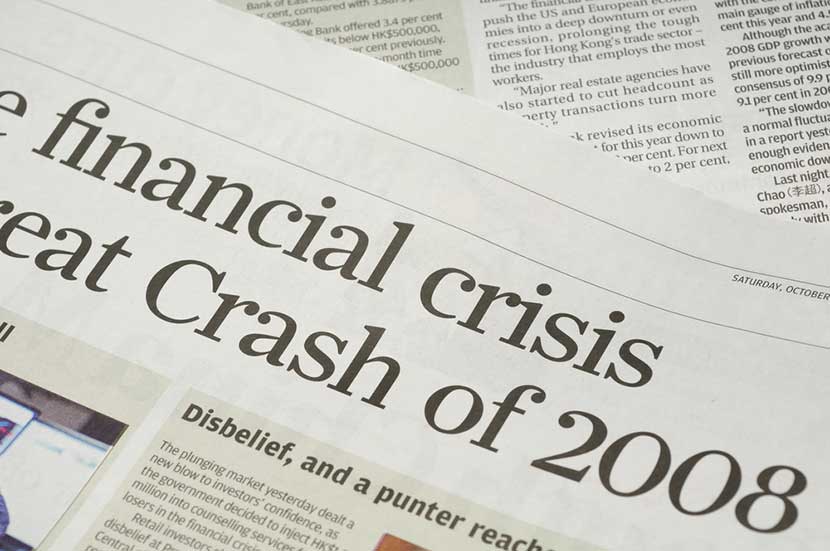
A former office worker described the day their firm went under in 2008. They were told that “the government bailouts prevented any real panic in the workplace,” by someone who clearly wasn’t watching their colleagues pack their belongings into boxes. Economic stability on a chart doesn’t stop a panic attack in the breakroom.
First Generation iPod Battery
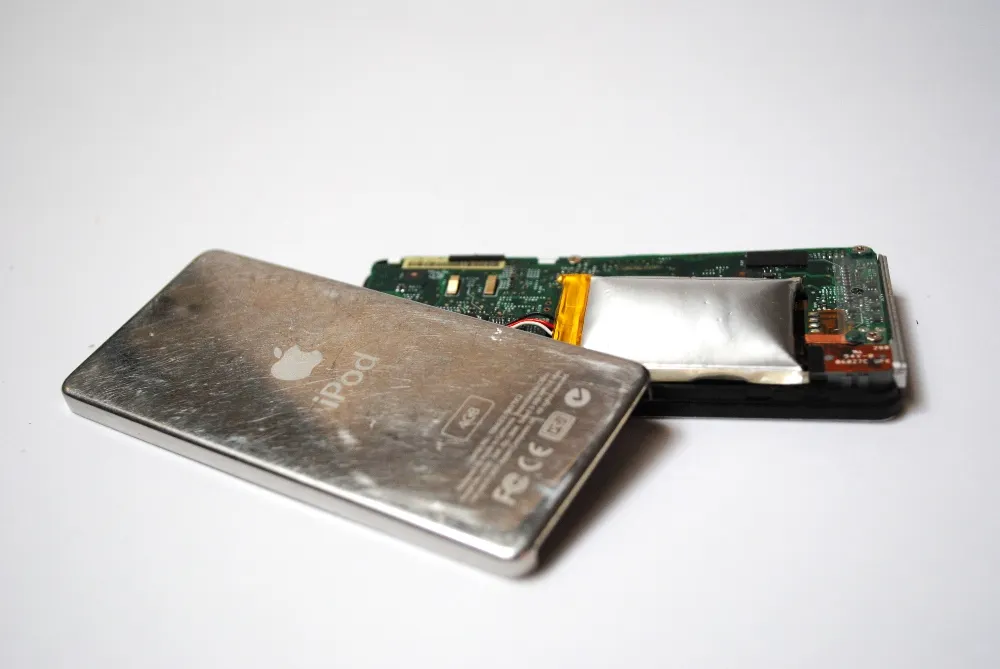
A user mentioned how the battery on their original iPod lasted for days. A tech enthusiast replied that “those batteries were lithium-ion trash that barely held five hours,” confusing the first model with later, more power-hungry versions. Early technology was often more robust because it did fewer things.
Civil Rights Marches
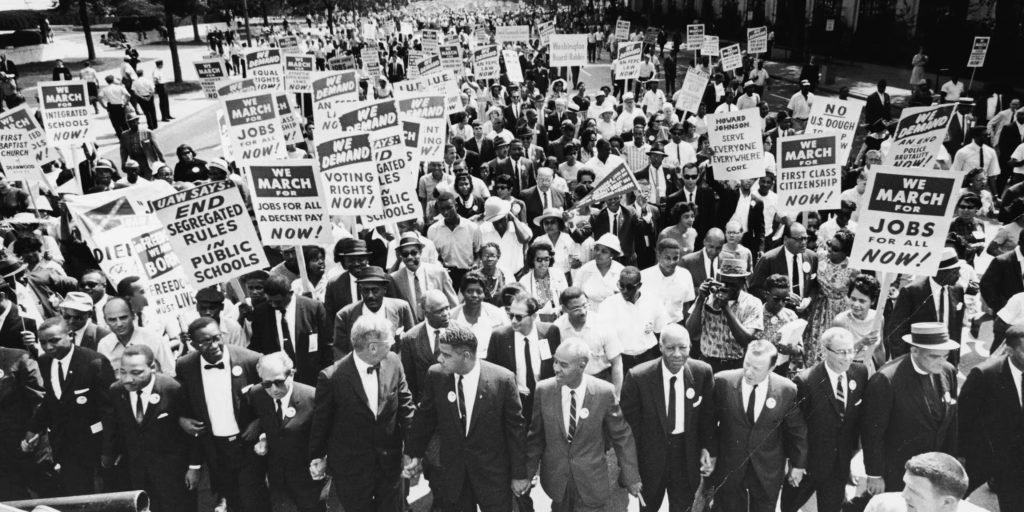
An elderly marcher described the specific fear of the police dogs in Alabama. A younger user corrected them on the dates of the specific protest, stating “that didn’t happen in that city on that day,” missing the point of the pervasive atmospheric terror. History is more than a list of verified timestamps.
The Launch Of MTV
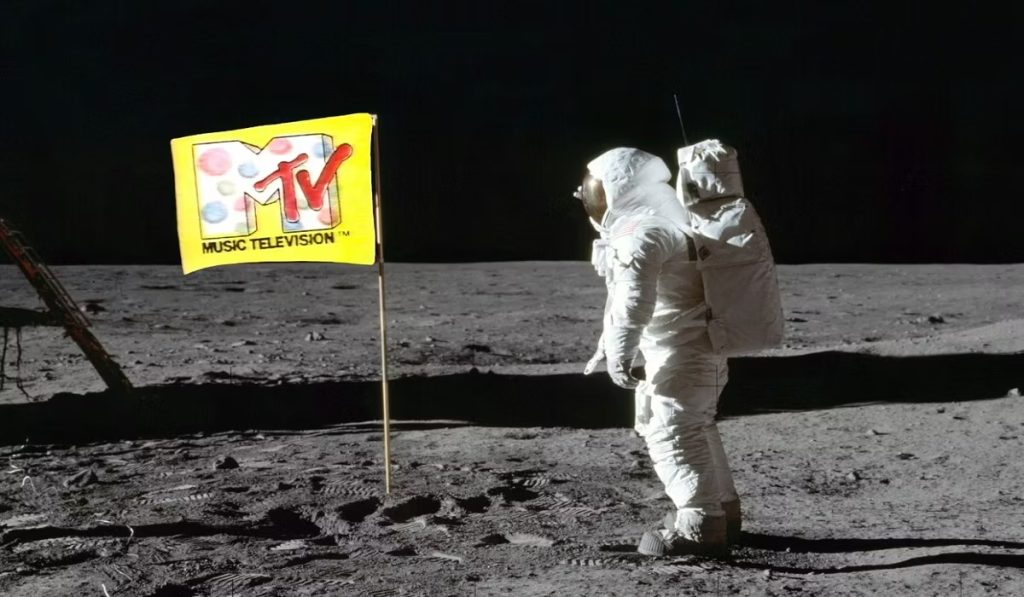
One viewer recalled that the channel only played about five videos on loop for the first week. A pop culture expert insisted that “the library was diverse from the beginning to attract viewers,” which ignored the licensing struggles of 1981. Innovation is often much clumsier than its legacy suggests.
Hurricane Sandy In New Jersey
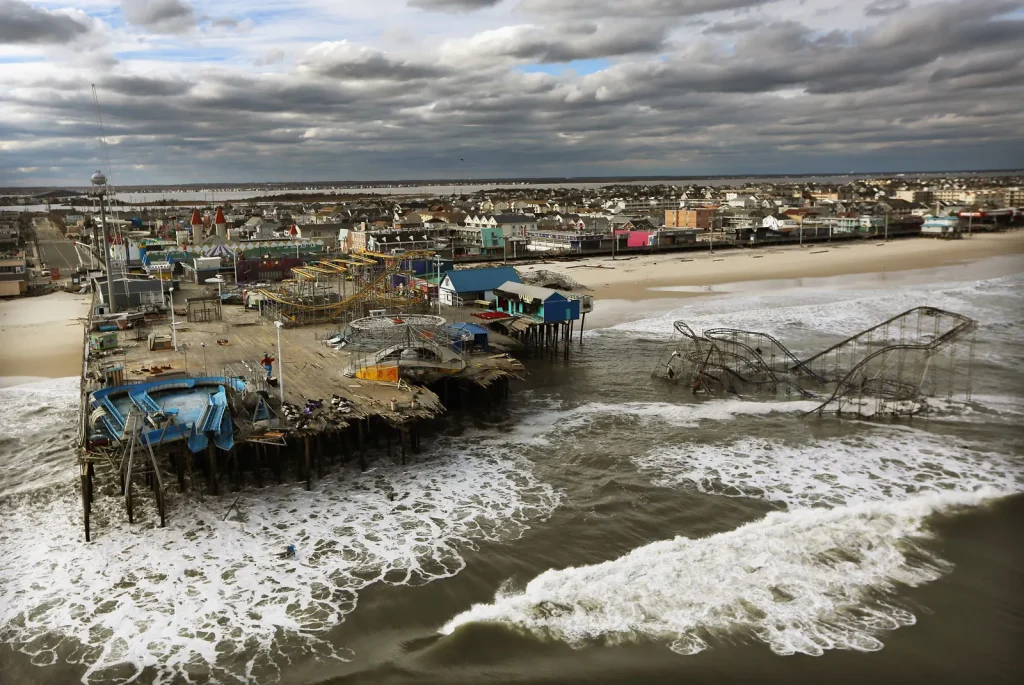
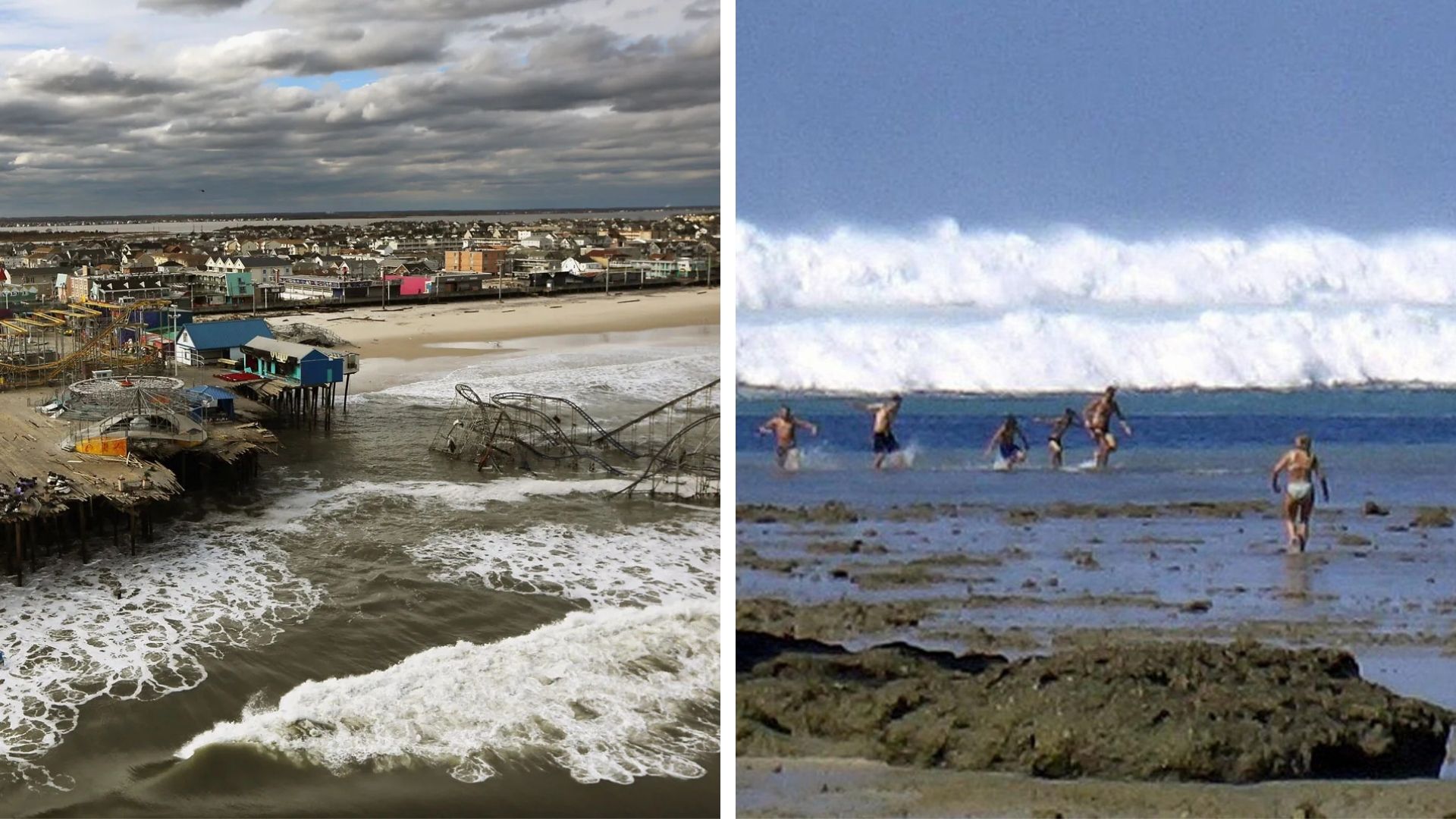
A resident described the ocean meeting the bay across the entire island. A stranger used a Google Earth image from two years later to argue that “the dunes are too high for that to be physically possible,” ignoring the power of a storm surge. Nature regularly ignores the height of a sand dune.
Early Internet Speeds
A user mentioned it taking an hour to download a single image. A younger gamer said “dial-up was slow but not THAT slow and you must have had a bad provider,” unaware of how 14.4k modems actually performed. Patience was a requirement, not a choice, in the nineties.
The Pac-Man Kill Screen
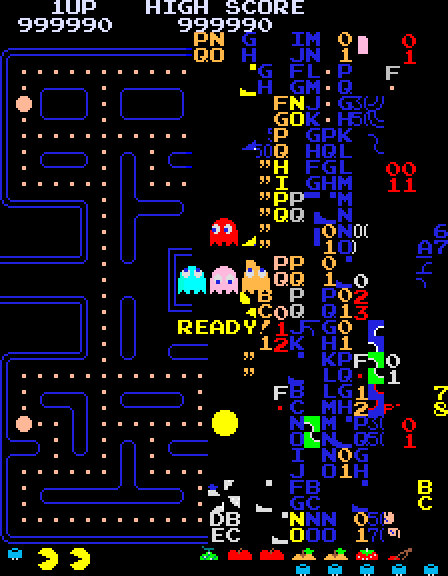
An arcade veteran described the moment they reached level 256 and saw the game break into a mess of symbols. A younger gamer tried to correct them, stating “the game just turned into a wall of nonsense numbers on the right side” only in modern emulators and not on original hardware. This ignores the 8-bit integer overflow that genuinely occurred in the original Z80 processors. Many arcade owners in the eighties simply reset the machines when players reached this technical limit.
The Tsunami Water Recession
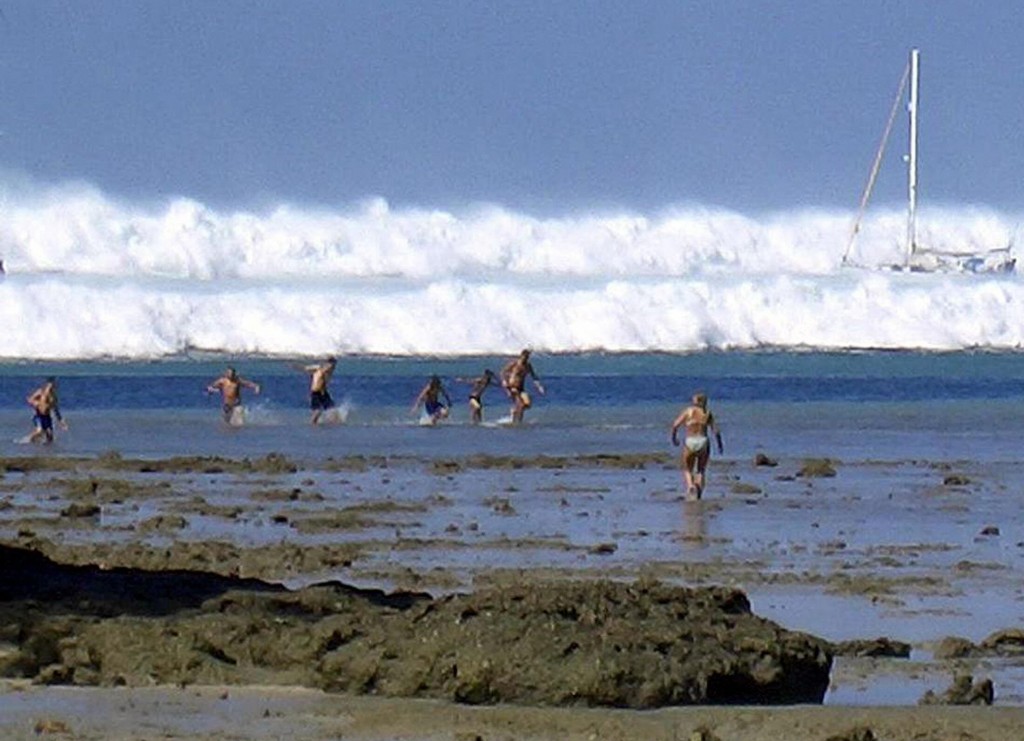
A survivor of the 2004 disaster in Thailand recalled how “the ocean just disappeared, leaving the fish flopping on the sand” before the wave arrived. A commenter argued that this was physically impossible and that the tide only goes out during much smaller seismic events. In reality, the trough of the tsunami wave often reaches the coast first, creating a deadly vacuum effect. This specific misunderstanding is what led many tourists to walk out onto the exposed seabed instead of seeking higher ground.