Time magazine set out to tell the news through people, and until the late 1960s, the journal’s cover depicted a single person. However, more recently, Time has incorporated “People of the Year” issues, which have grown in popularity over the years. So, check out these 30 covers that were published from 1950 to 1979.
1. The American Fighting-Man (1950)
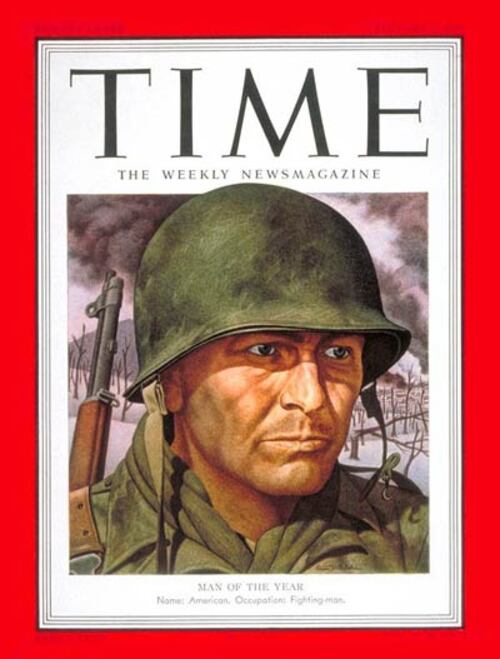
Representing US troops involved in the Korean War (1950–1953).
2. Mohammad Mossadegh (1951)
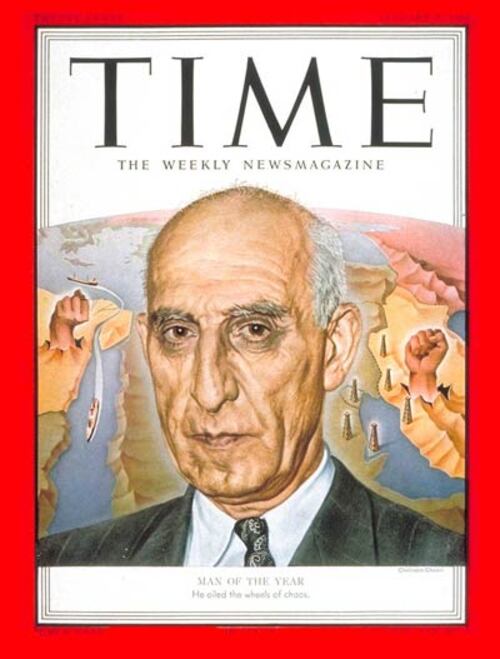
That year, Mossadegh was appointed Prime Minister of Iran and expelled Western oil companies. This started the Abadan Crisis.
4. Elizabeth II (1952)
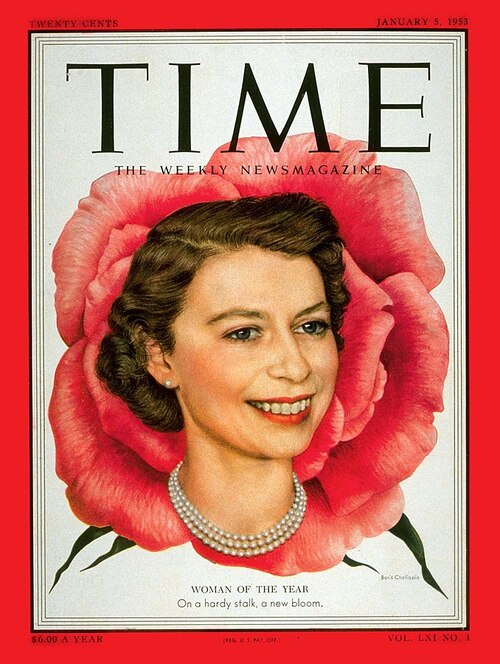
After her father, King George VI, passed away in 1952, Elizabeth assumed the throne of the United Kingdom and the other Commonwealth nations.
5. Konrad Adenauer (1953)
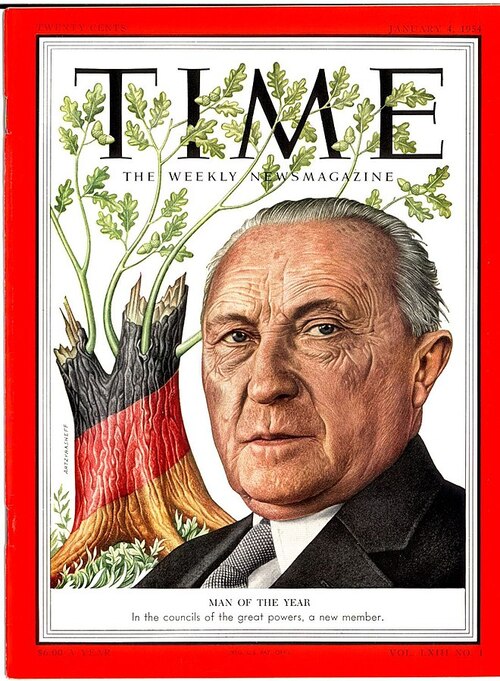
Adenauer was re-elected as West Germany’s chancellor in 1953. Adenauer was working toward European integration, managing Germany’s reconstruction and the Economic Miracle, and effectively mending ties with Germany’s wartime adversaries in the West.
6. John Foster Dulles (1954)
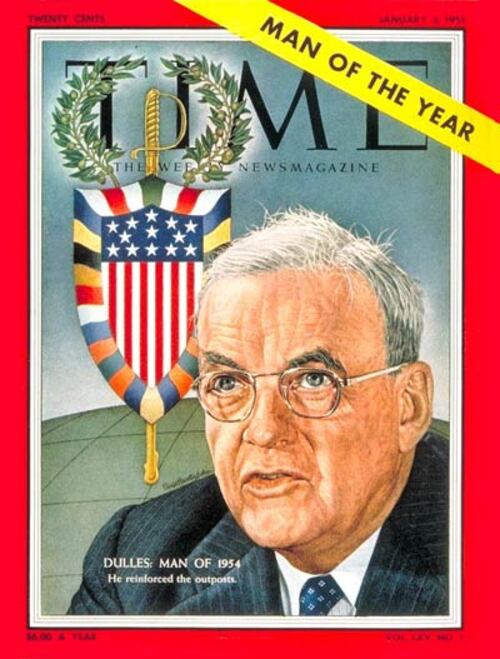
Dulles created the Southeast Asia Treaty Organization while serving as US Secretary of State in 1954.
7. Harlow Curtice (1955)
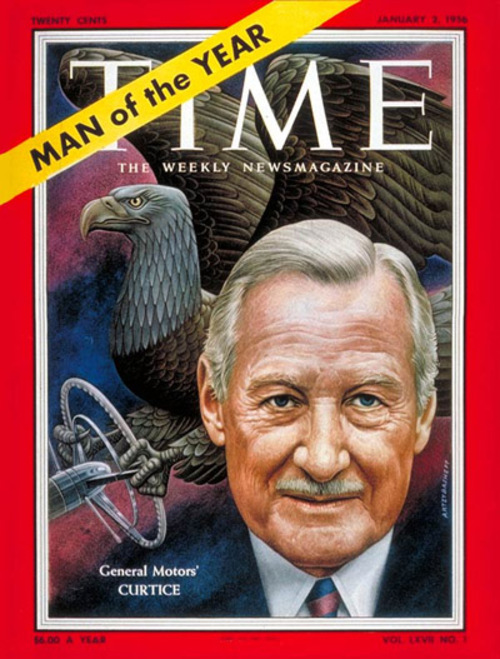
From 1953 to 1958, Curtice served as General Motors’ (GM) president. GM sold five million cars in 1955, making it the first company to make $1 billion in a single year.
8. The Hungarian Freedom Fighter (1956)
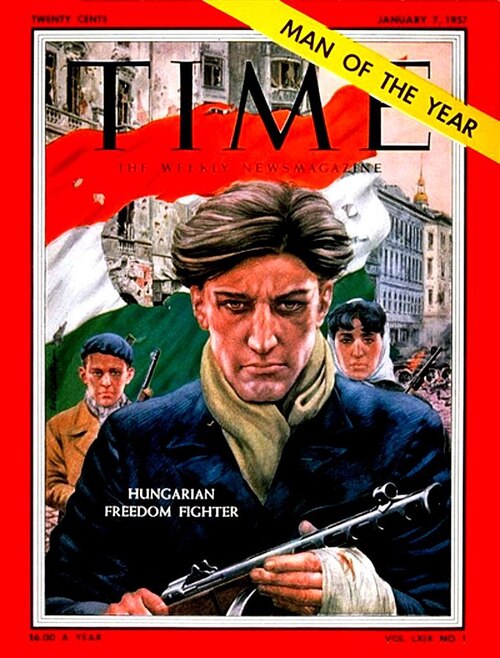
This cover represented the Hungarian revolutionaries who participated in the 1956 rebellion against the Soviet-run government, which the Soviet Army put down.
9. Nikita Khrushchev (1957)
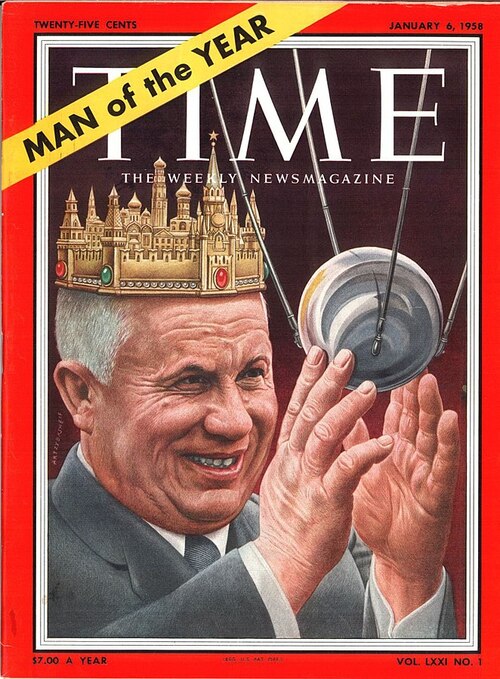
Khrushchev solidified his position as head of the Soviet Union in 1957, launching Sputnik 1 to usher the country into the Space Race and surviving a plan by Stalinist members of the Presidium to remove him.
10. Charles de Gaulle (1958)
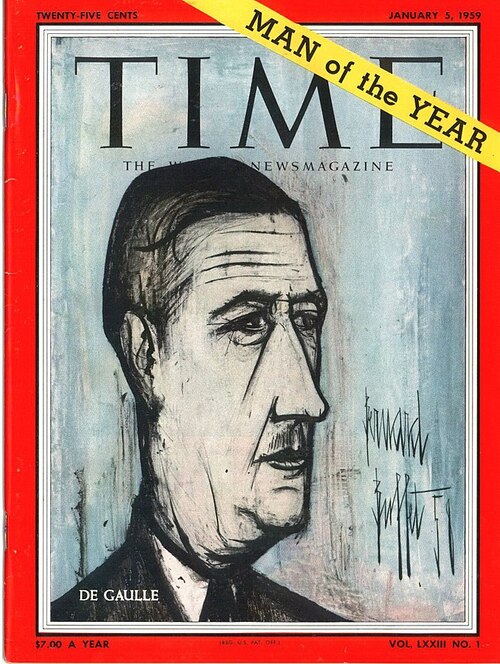
In May 1958, De Gaulle was named Prime Minister of France. In December of the same year, he was elected President of France after the Fourth Republic fell and the Fifth Republic was established.
11. Dwight D. Eisenhower (1959)

From 1953 until 1961, Eisenhower served as President of the United States. Eisenhower organized Nikita Khrushchev’s 1959 state visit to the US, during which he traveled to various nations and became the first US president to visit India.
12. U.S. Scientists (1960)
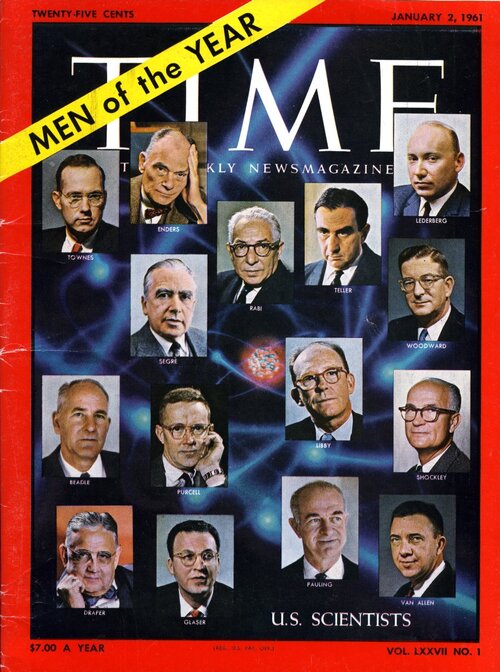
That year, this magazine named 15 US scientists as its Men of the Year. They were recognized for their contributions to different scientific fields, including genetics, physics, chemistry, and virology.
13. John F. Kennedy (1961)
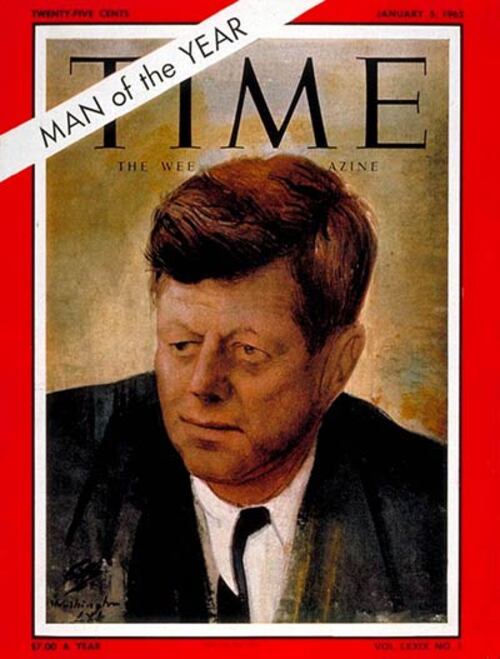
Kennedy was inaugurated as President of the United States in 1961, ordering the failed invasion of Cuba by U.S.-trained Cuban exiles.
14. John XXIII (1962)
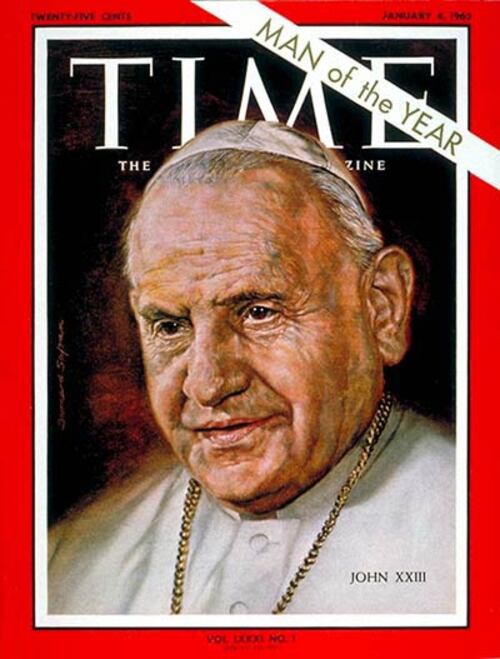
In 1962, the Pope of the Roman Catholic Church volunteered as a mediator in the Cuban Missile Crisis between the U.S. and the USSR, gaining praise from both sides.
15. Martin Luther King Jr. (1963)
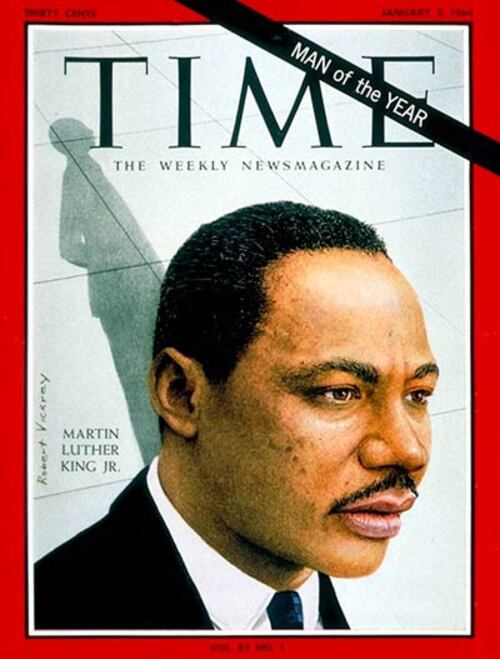
King was the leader of the American Civil Rights Movement. He delivered his famous “I Have a Dream” speech in 1963.
16. Lyndon B. Johnson (1964)

He was elected as President of the United States in 1964, secured the passage of the Civil Rights Act, and declared a war on poverty.
17. William Westmoreland (1965)
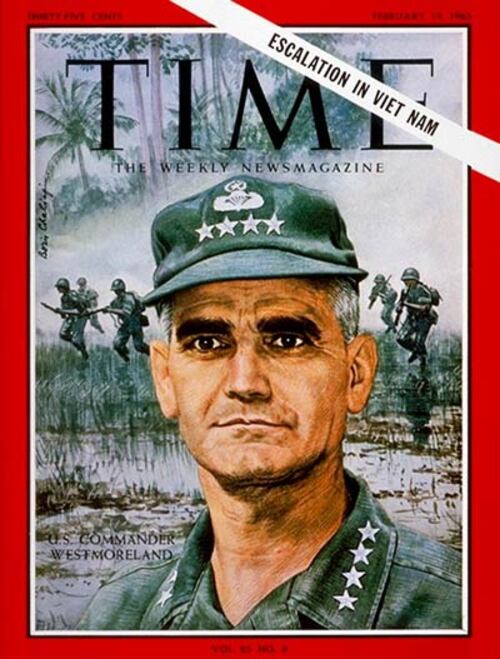
General Westmoreland was commander of the American forces in South Vietnam during the Vietnam War.
18. The Inheritor (1966)
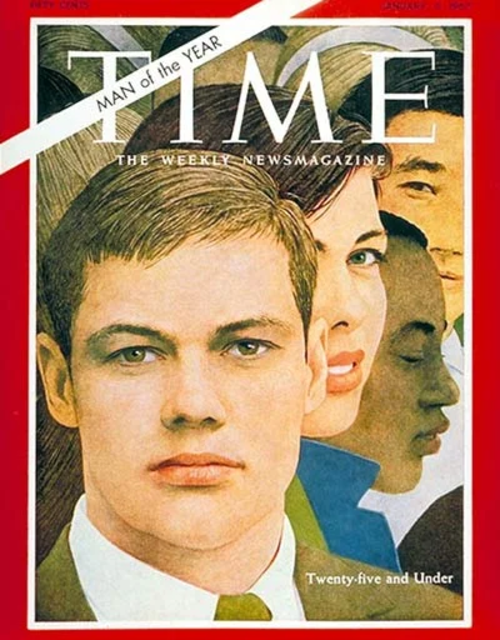
Representing the Baby Boom generation, a group of American men and women under the age of 25, who in 1966 accounted for about half of the country’s population and had a significant impact on the counterculture of the 1960s. Thomas M. McLaughlin’s face was the one that stood out the most on the cover.
19. Lyndon B. Johnson (1967)
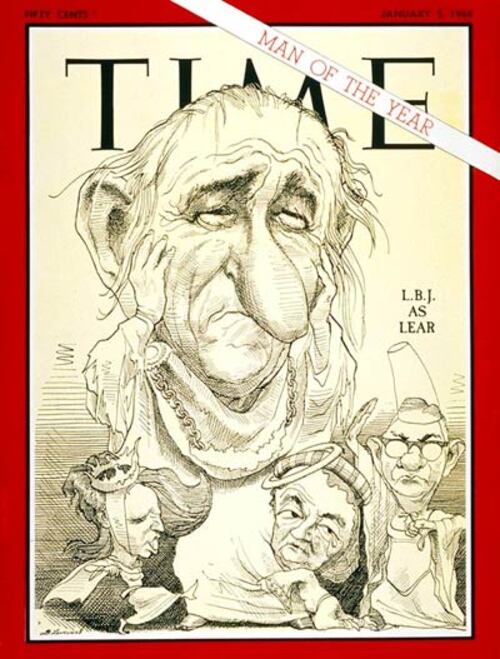
According to Time, Johnson had a year filled with disappointments and failures, including the Dump Johnson movement within his own party, growing engagement in the Vietnam War, and racial rioting throughout the United States.
20. The Apollo 8 Astronauts (1968)
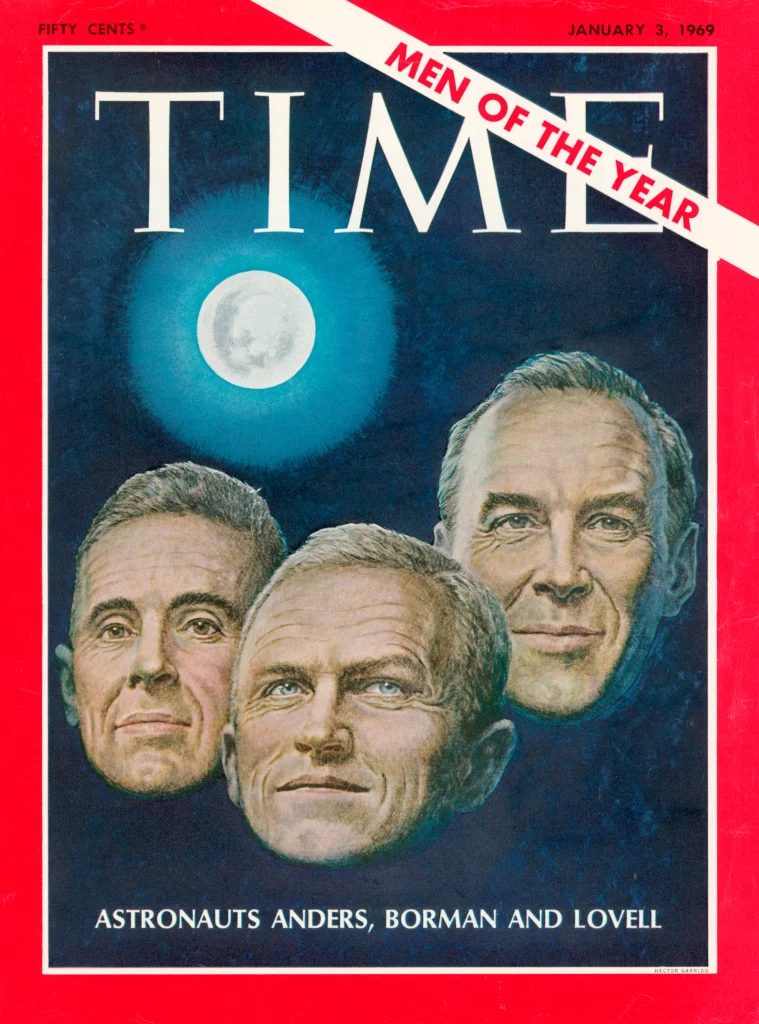
The first humans to leave low Earth orbit were the American crew of Apollo 8 (William Anders, Frank Borman, and Jim Lovell) in 1968.
21. The Middle Americans (1969)
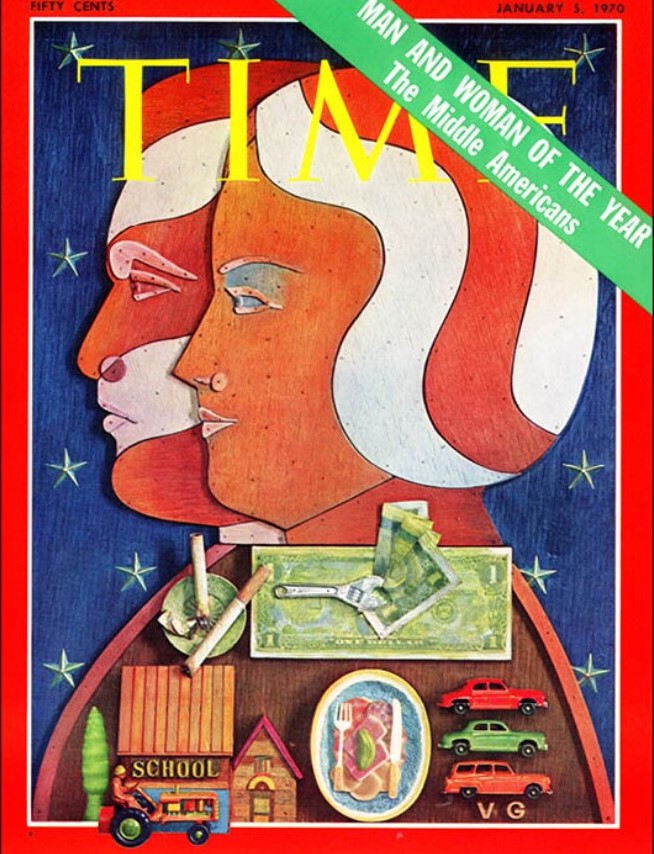
Small-town, conservative Americans are sometimes known as the quiet majority.
22. Willy Brandt (1970)
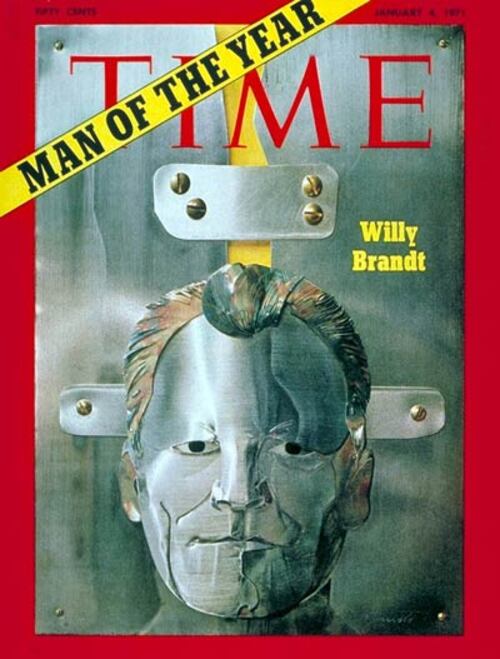
“Seeking to bring about a fresh relationship between East and West” through his “bold approach to the Soviet Union and the East Bloc” was one of Brandt’s recognized accomplishments as Chancellor of West Germany.
23. Richard Nixon (1971)
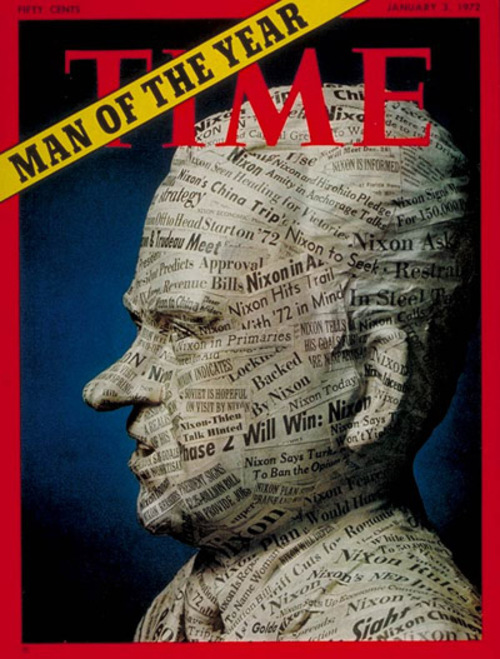
Nixon served as the US president from 1969 to 1974, and he established the Economic Stabilization Program, restored ties with China, and pulled the US dollar from the gold standard in 1971.
24. Henry Kissinger and Richard Nixon (1972)
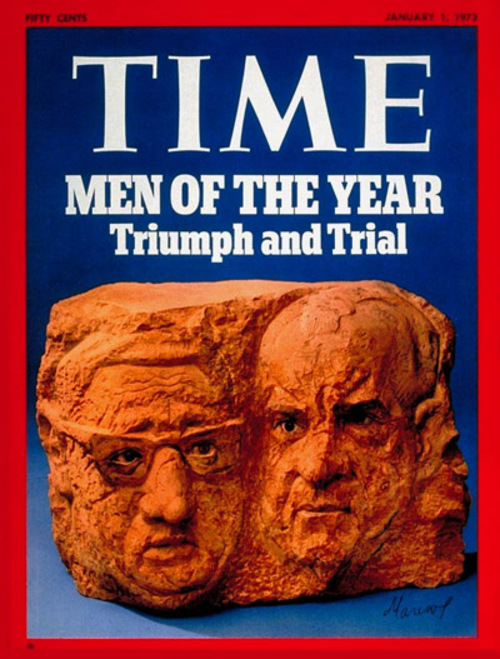
As Nixon’s National Security Advisor, Kissinger accompanied the president on a 1972 trip to China while negotiating a peace deal in Vietnam.
25. John Sirica (1973)
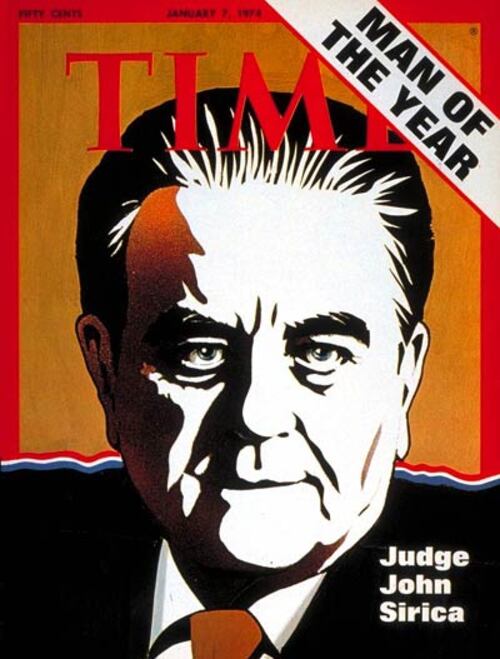
While serving as Chief Judge of the US District Court for the District of Columbia in 1973, Sirica compelled President Nixon to produce recordings of White House talks pertaining to Watergate.
26. Faisal (1974)
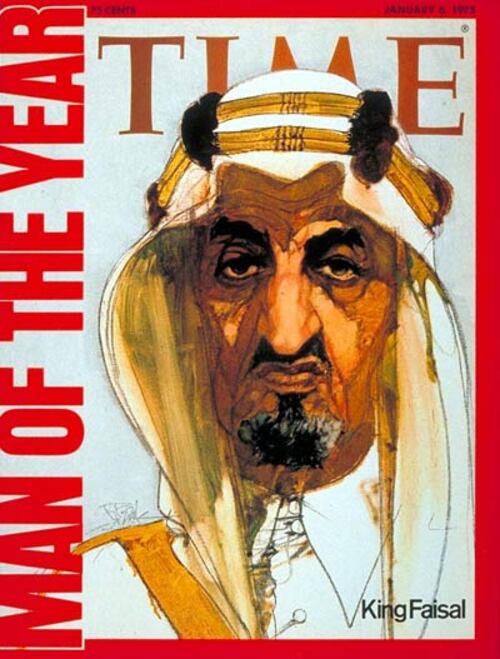
Following the 1973–1974 oil crisis, which resulted from Saudi Arabia withdrawing its oil from international markets in protest of Western support for Israel during the Yom Kippur War, Faisal, King of Saudi Arabia, was recognized.
27. American Women (1975)
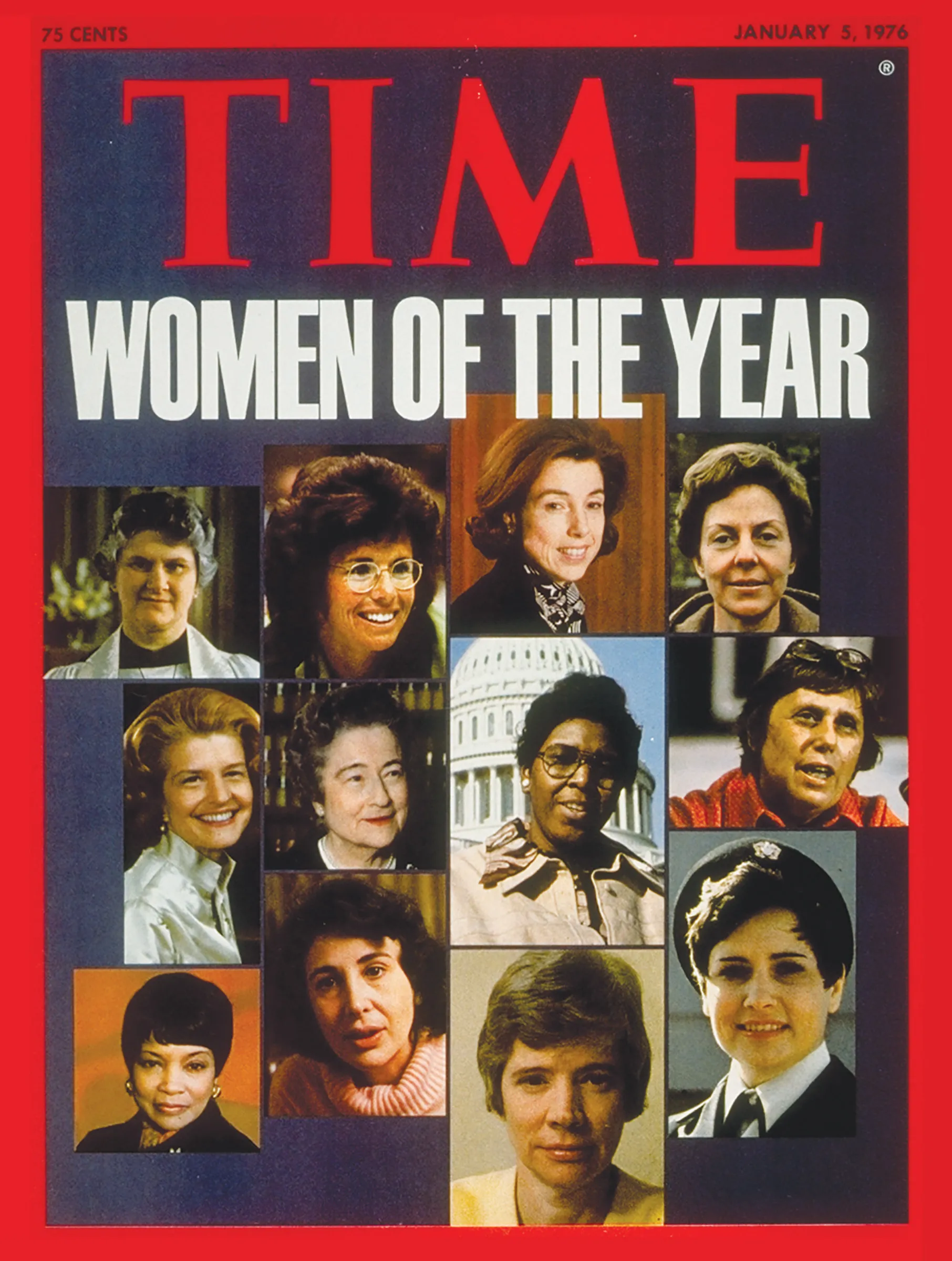
Here, the magazine wanted to highlight “the status of the everyday, usually anonymous woman, who moved into the mainstream of jobs, ideas, and policy making” as well as the accomplishments of the American feminist movement.
28. Jimmy Carter (1976)
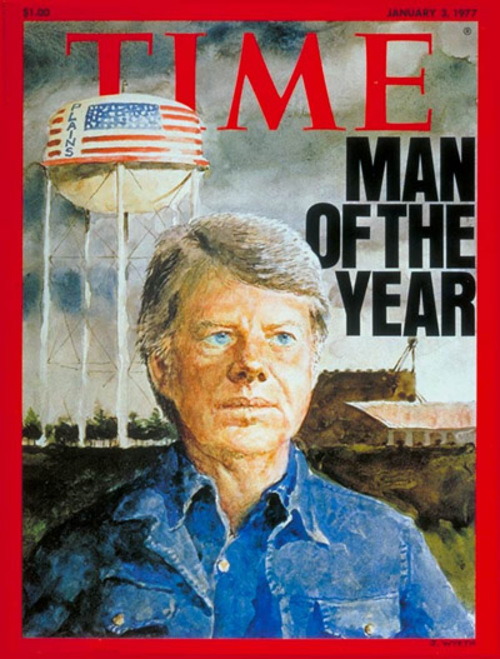
This year, Carter was elected President of the United States, defeating incumbent President Gerald Ford.
29. Anwar Sadat (1977)
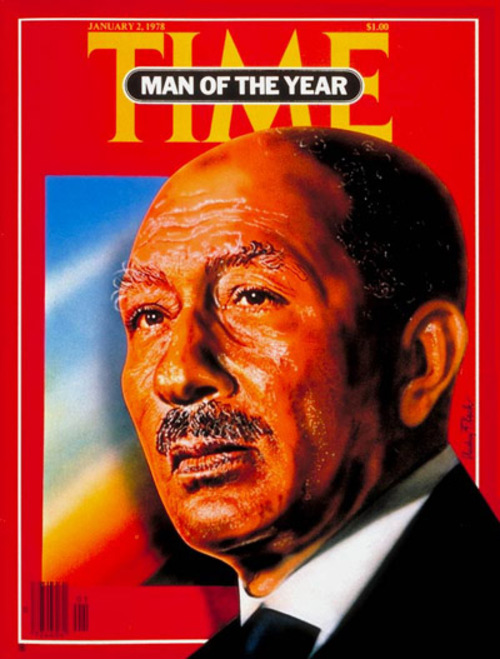
Sadat was the first Arab leader to visit Israel while in office as president of Egypt in 1977 to talk about normalizing relations between Egypt and Israel.
30. Deng Xiaoping (1978)
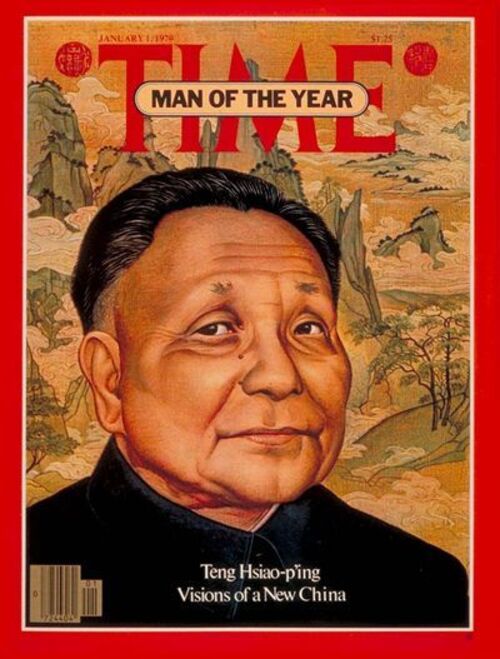
In 1978, Deng became the de facto leader of China after ousting Hua Guofeng in his capacity as vice premier.
Ruhollah Khomeini (1979) Khomeini became the Supreme Leader of Iran after leading the 1979 Revolution.