Emilia Clarke is one of the most well-known faces on television. For years, she played one of TV’s most iconic characters, Daenerys Targaryen, on Game of Thrones. She received 4 Emmy nominations and millions of fans for the role, but because of a deadly condition, she might not even remember all of it. Here’s what went down:
1. Breakout and the Unexpected Turn

Emilia Clarke had just landed the role of a lifetime. She was 24, playing Daenerys Targaryen in HBO’s new fantasy epic Game of Thrones, and everything seemed to be falling into place. Filming for the first season had wrapped, and she was preparing for the show’s premiere. But just as her career was taking off, her body had other plans.
2. The First Aneurysm Strikes
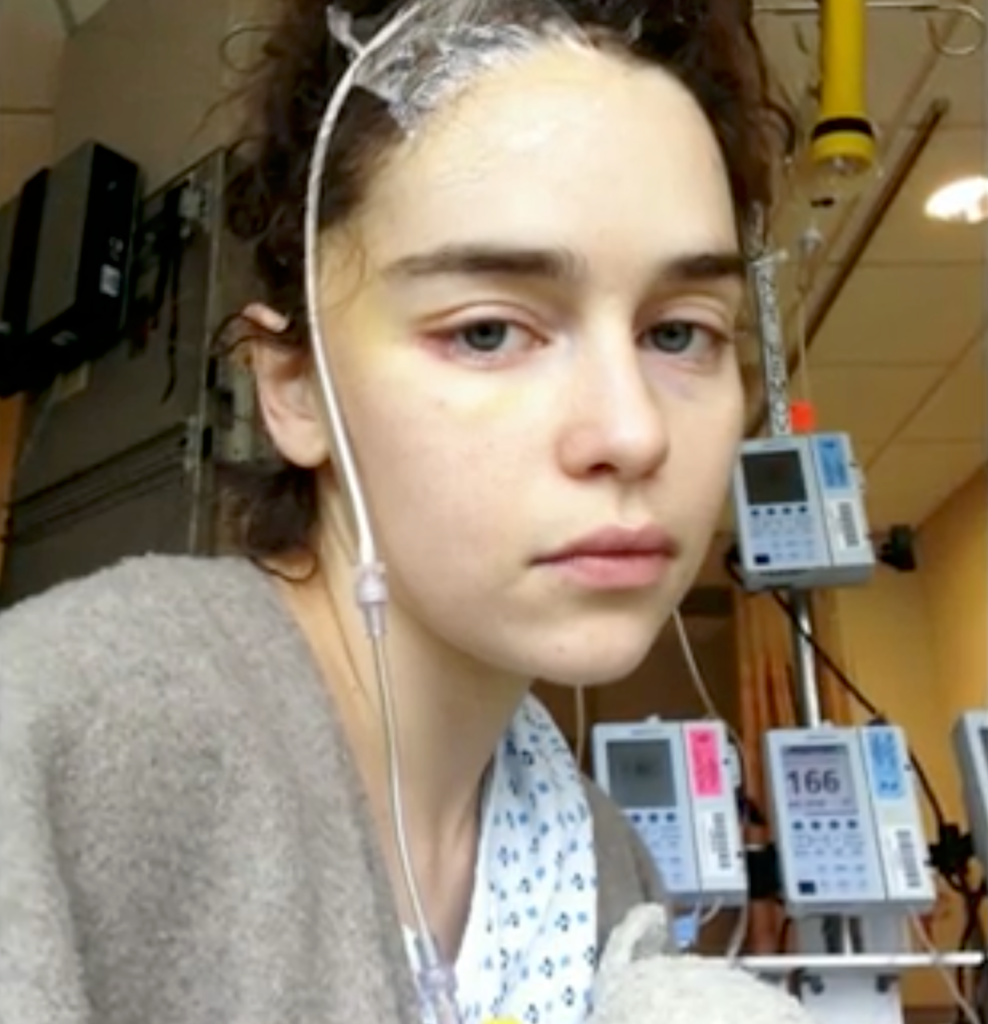
In February 2011, after a workout, Emilia felt an intense headache. Moments later, she collapsed in a bathroom, vomiting from the pain. She knew something was very wrong.
3. Brain Aneurysm
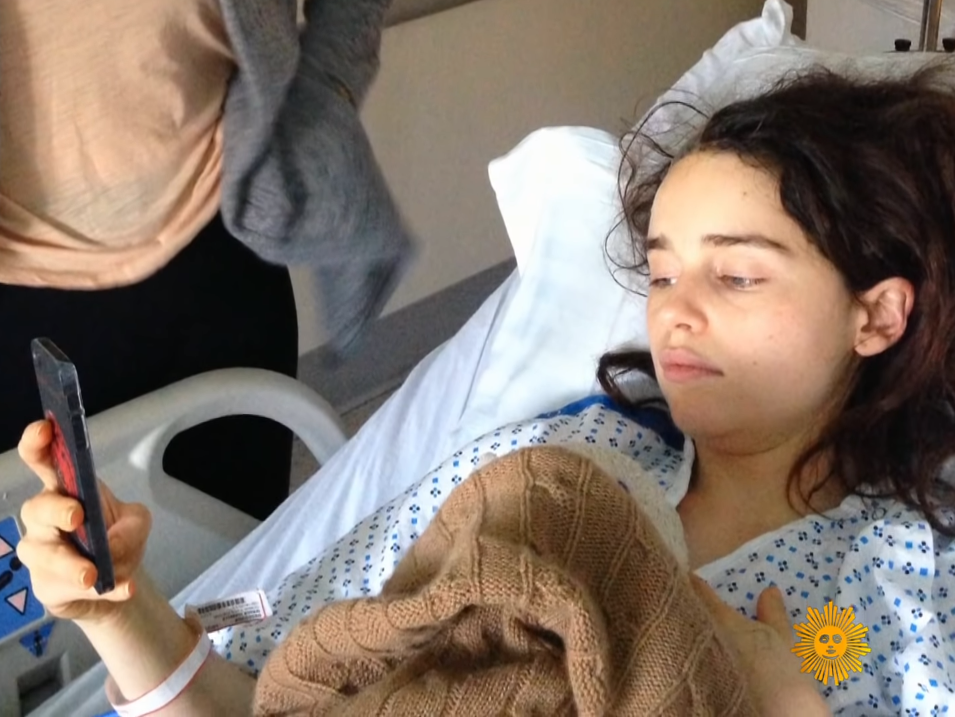
Later, paramedics rushed her to the hospital, where doctors diagnosed her with a subarachnoid hemorrhage. A blood vessel in her brain had burst, and she needed emergency surgery.
4. Rushed into Emergency Surgery
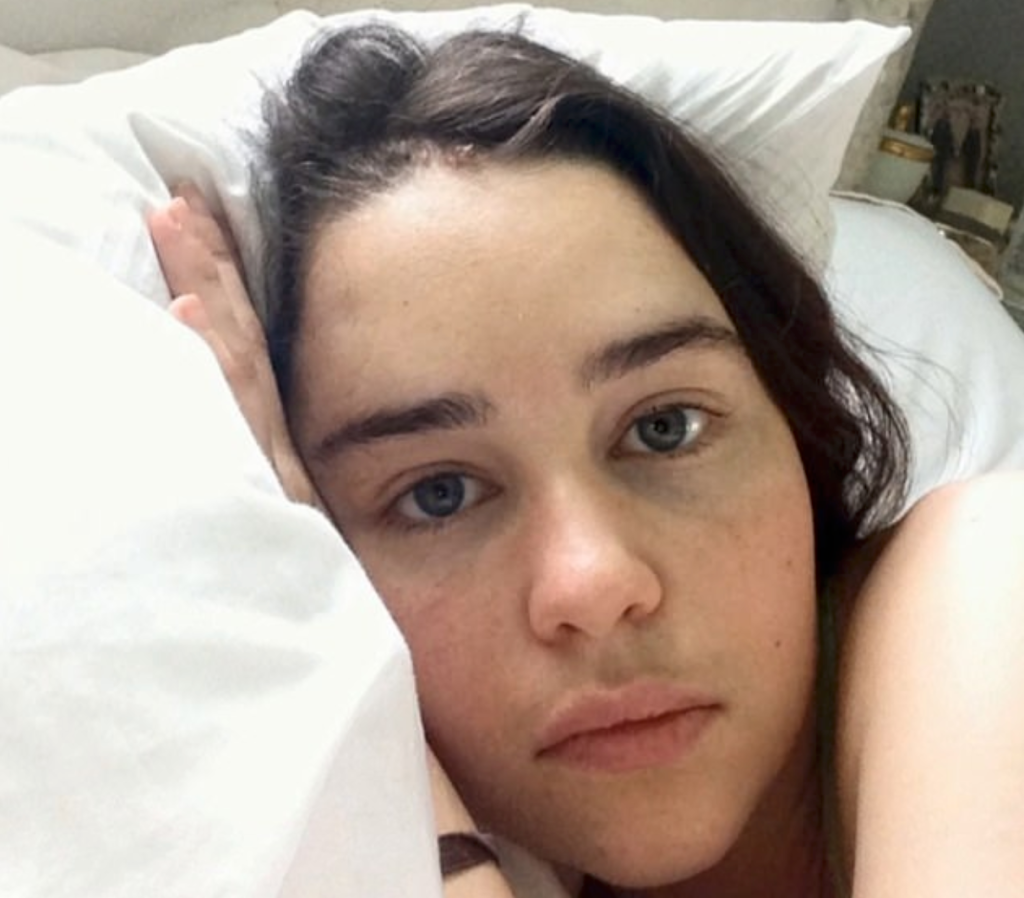
Neurosurgeons performed an endovascular coiling procedure to seal off the aneurysm. The operation was risky, but necessary to stop the bleeding. Recovery wouldn’t be easy.
5. Not in the Clear
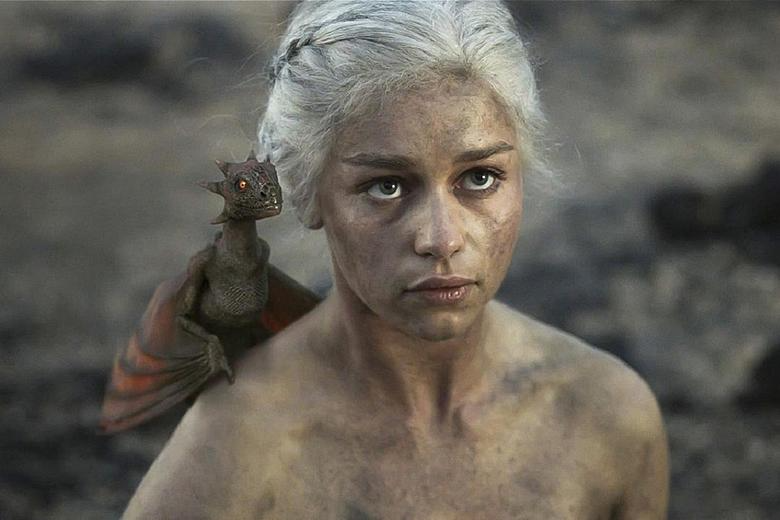
The surgery left her exhausted and disoriented, and she still had another aneurysm on the other side of her brain that doctors needed to monitor.
6. What’s a Brain Aneurysm?
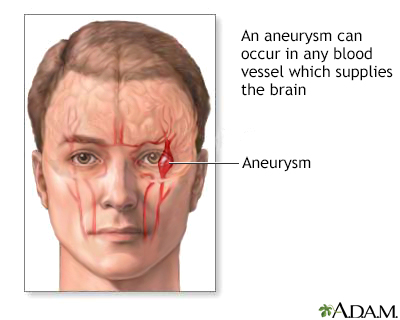
Aneurysms are weak spots in blood vessels that can balloon out and eventually rupture. When they burst, blood leaks into the brain, causing damage and, in many cases, death. Subarachnoid hemorrhages like Emilia’s can be fatal or leave survivors with life-altering disabilities. She had survived, but her challenges weren’t over.
7. The Onset of Aphasia

When Emilia woke up after surgery, she couldn’t speak. Aphasia, a condition that affects language and communication, had just set in.
8. Instant Panic

Waking up with Aphasia was not a good experience for Emilia, to say the least. She was shocked, realizing she couldn’t remember her own name. The fear of never regaining her speech made her recovery feel even more uncertain.
9. Emotional Turmoil

The physical pain was overwhelming, but the mental toll was worse. Emilia felt trapped in her own body. She couldn’t express her thoughts and wondered if she would ever be able to act again.
10. Fight for Life
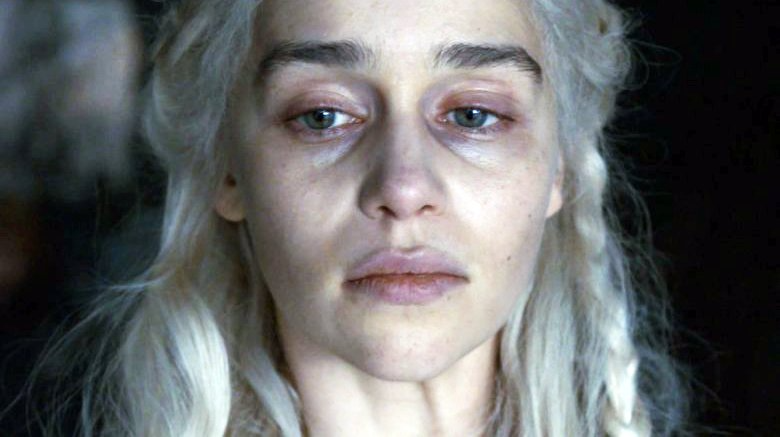
The recovery process from the whole incident was grueling, to say the least. Emilia mentioned that during the worst moments, she felt like giving up, questioning whether she could endure the battle ahead.
11. Threat to Her Career

Acting relies on language, memory, and expression. With her speech impaired and her brain still healing, she worried about returning to Game of Thrones. Would she be able to memorize lines? Could she keep up with the demands of filming? The fear of losing everything she had worked for loomed over her.
12. Returning to Work Against All Odds

Despite her body’s protests, Emilia pushed herself back to work just weeks after surgery. She had no choice. The show had premiered, and she had commitments that she simply could not break. It was a do-or-die situation for the sake of her career.
13. Keeping Things Under Wraps
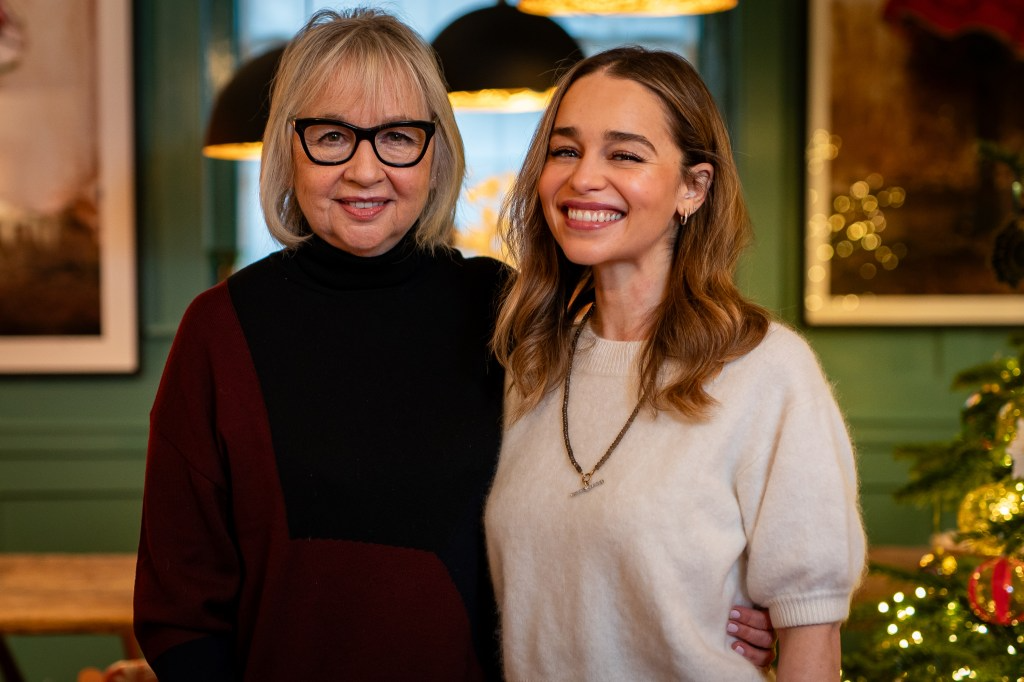
Emilia couldn’t afford to let anyone know what she had just been through. She fought through exhaustion and intense headaches, trying to hide her struggles from the cast and crew.
14. The ‘Power Through’ Culture
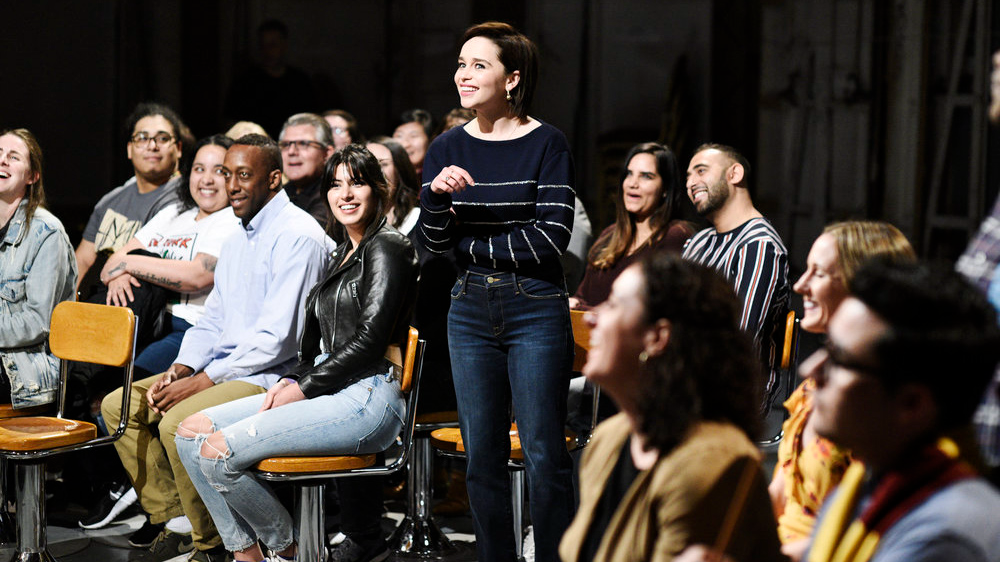
Hollywood thrives on resilience. There’s little room for weakness, and Emilia felt that pressure. She forced herself through long days of filming, keeping quiet about her pain. The industry’s unspoken rule was clear: keep going, no matter what. She did, but it came at a cost.
15. Living with the Constant Fear
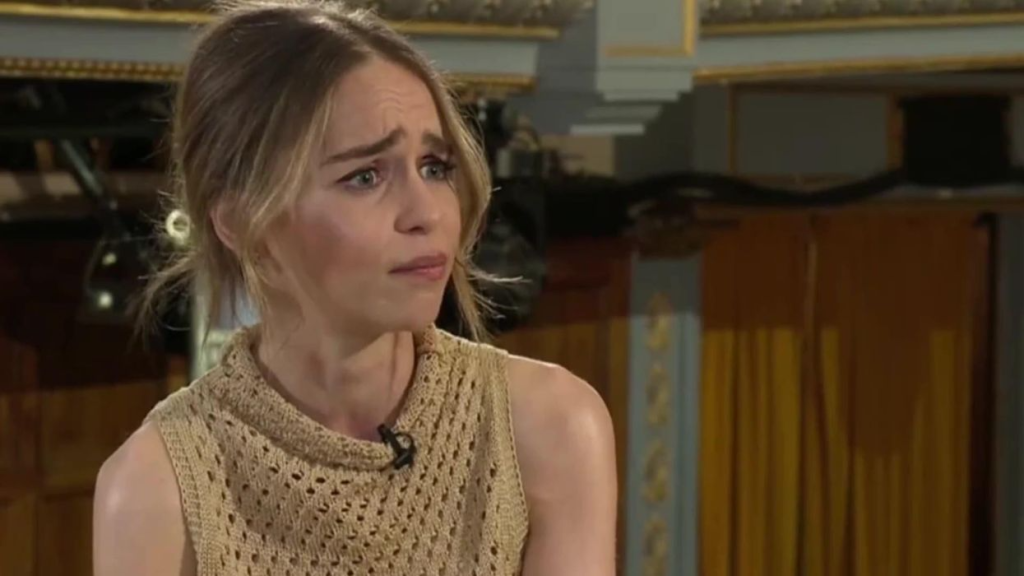
Every day felt like a ticking clock. She knew another aneurysm was still in her brain, waiting to rupture. The fear of it happening again haunted her. She couldn’t escape the thought that, at any moment, she might collapse on set or in public.
16. A Tiny Second, A Lifetime of Damage
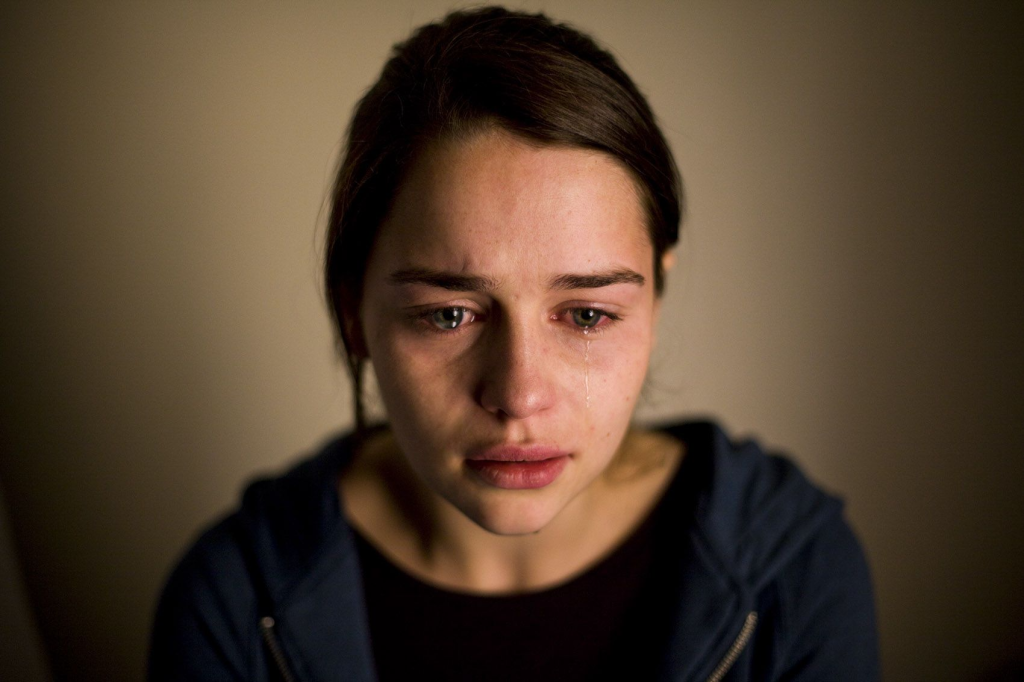
Doctors explained that even a brief loss of blood to the brain could cause permanent damage. That knowledge stuck with her. She became hyper-aware of every headache and dizzy spell, wondering if it was a warning sign.
17. The Brain’s Amazing Plasticity

Recovery was slow, but her brain started to adapt. She regained her speech, though not without difficulty. The brain’s ability to rewire itself helped her regain functions she had feared were lost forever. Still, she had to work harder than before to remember lines and focus on set.
18. The Second, Even Harder Blow
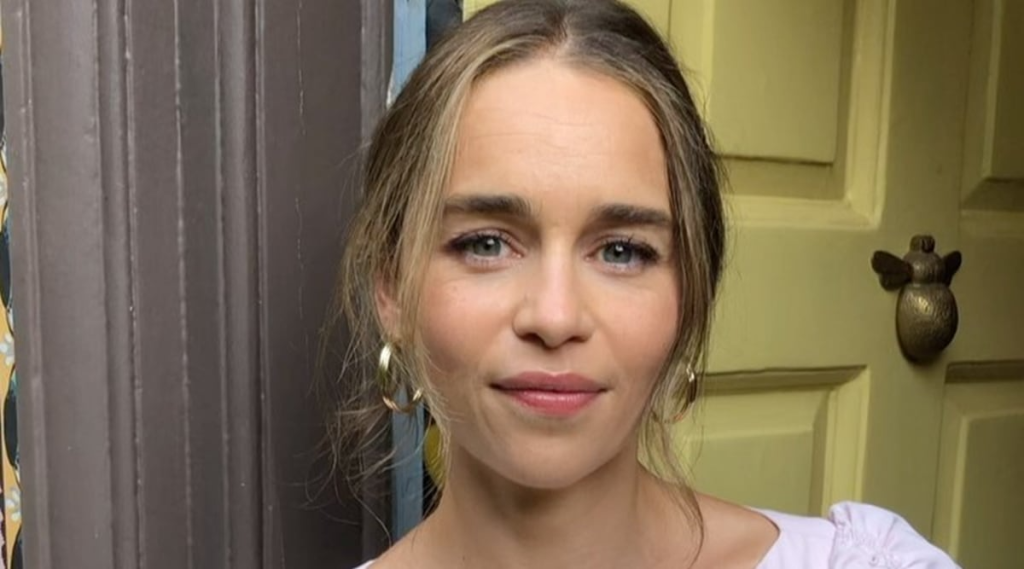
In 2013, during a routine brain scan, doctors found that the second aneurysm had grown. This time, she needed open brain surgery. The risk was even higher, and there was no guarantee she would recover fully.
19. Facing Open Brain Surgery
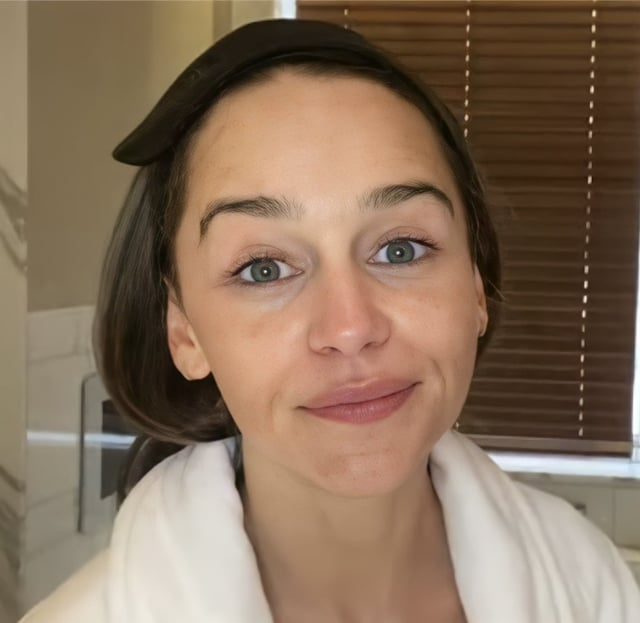
Surgeons cut into her skull to remove the aneurysm. The procedure was more invasive and the recovery more brutal. This time, her body wasn’t bouncing back as quickly.
20. Daily Physical Struggles
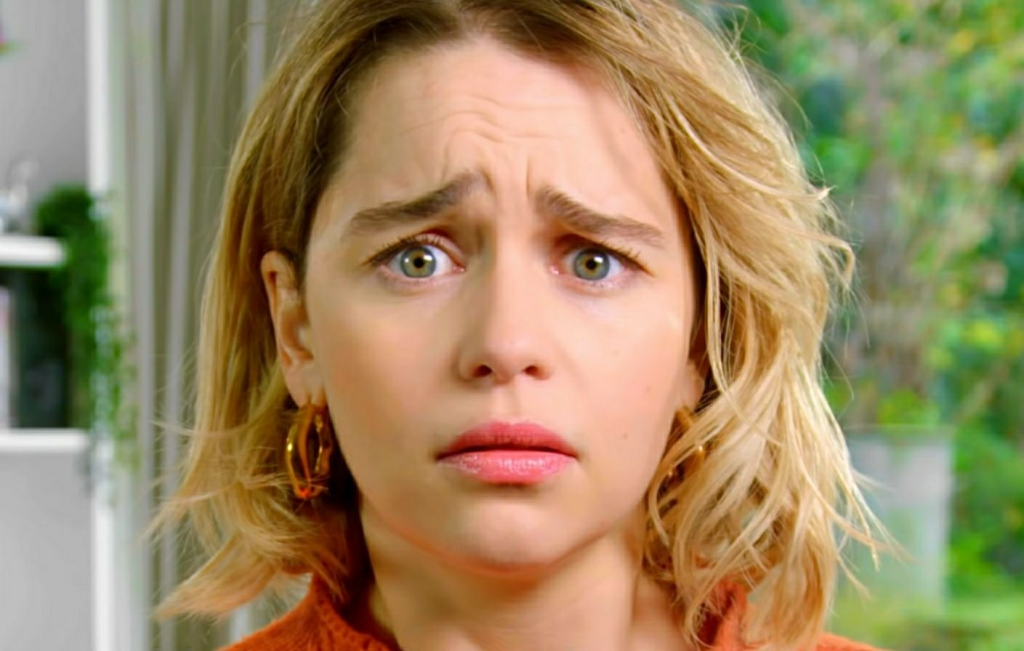
Simple tasks became challenges. Walking felt different. Reading was difficult. Her body and mind were still catching up, and she had to re-learn how to function normally again, for the second time.
21. The On-Set Anxiety
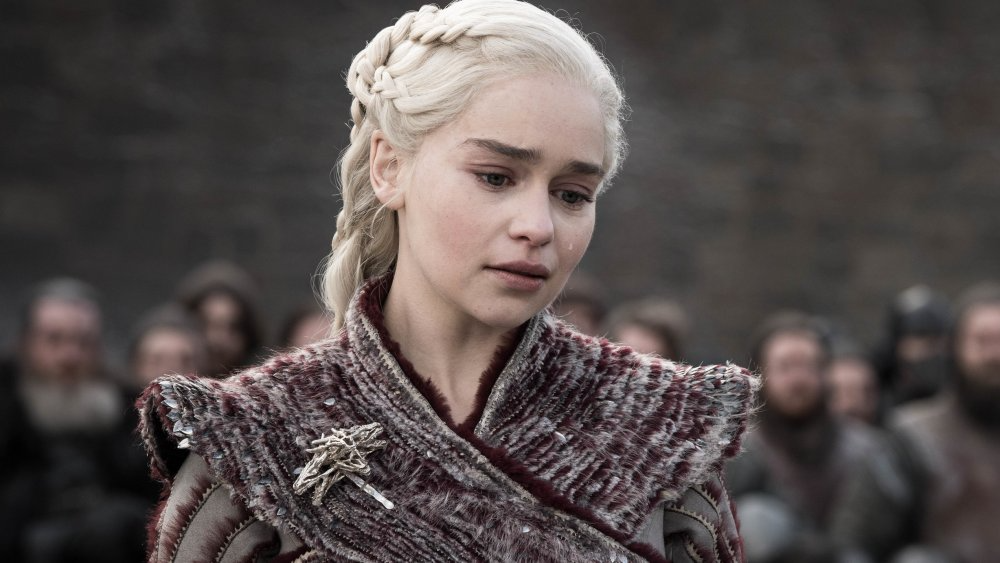
Returning to work felt impossible at times. She worried about collapsing in front of the crew or forgetting lines in the middle of a scene. But she kept pushing through, determined to keep going.
22. Turning Pain into Performance
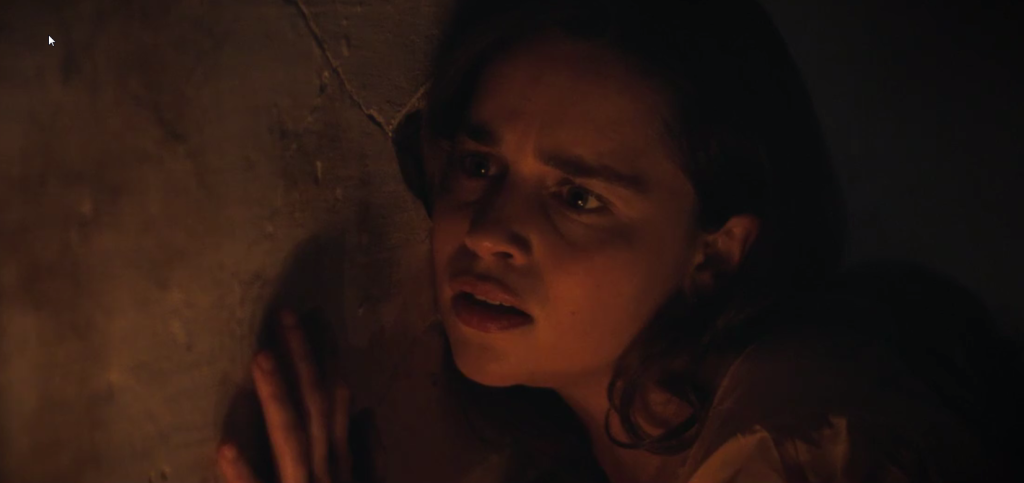
The raw emotion she brought to Daenerys wasn’t just acting. She channeled everything she had been through into her performance, making it more real than ever.
23. Opening Up Publicly
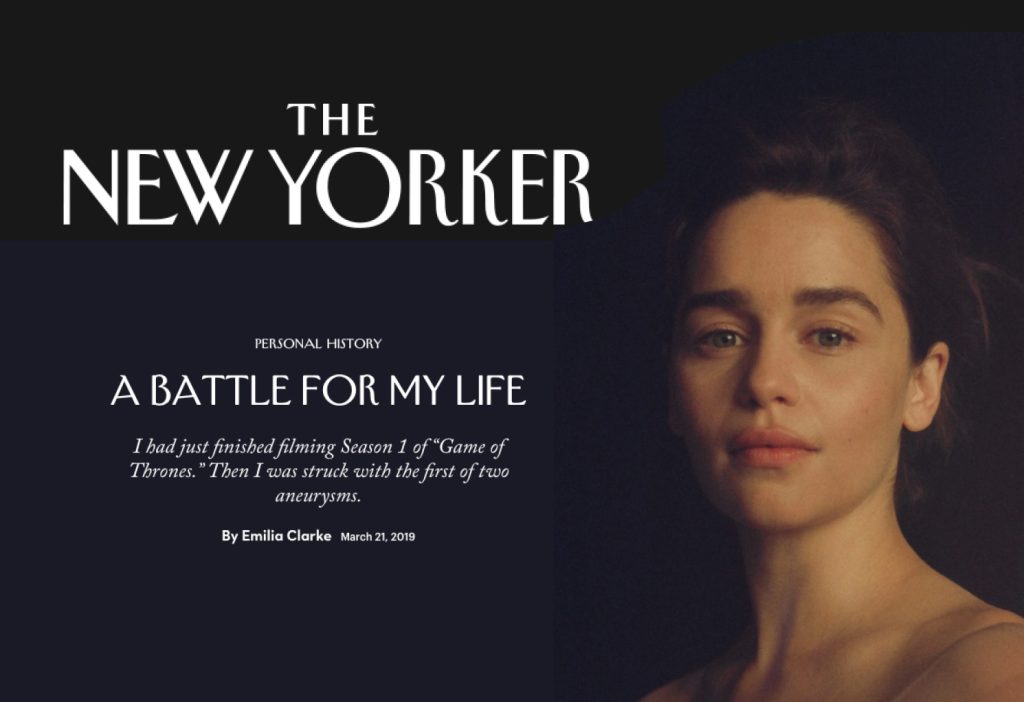
For years, Emilia kept her illness private. She didn’t want pity or to be treated differently. In 2019, she finally shared her story in The New Yorker, hoping to raise awareness about brain injuries and help others facing similar battles.
24. Using Her Platform for Advocacy

In 2019, Emilia co-founded SameYou, a charity focused on brain injury recovery. She wanted to help others get the support she wished she had during her own journey.